.webp)


Key takeaways
- Saltbox is the best ShipMonk alternative in 2026 for Shopify brands that want their own warehouse space, discounted shipping through our Shopify-native app partner, on-demand labor, and month-to-month flexibility.
- Cubework, ReadySpaces, and WorkHub are co-warehousing and flexible warehouse options where you keep physical control of your inventory and run operations on your own terms.
- Flowspace, FedEx Fulfillment, and Flexe are 3PL alternatives to ShipMonk, but keep in mind that switching to another 3PL means you're still giving up control of your inventory and facing similar structural trade-offs.
- TradeSpace, FlexSpace Logistics, and Room2Work round out the list with Canadian coverage and niche U.S. options for smaller or location-specific operations.
If you're searching for the best ShipMonk alternatives in 2026, it's likely because the traditional 3PL model stopped working for your Shopify business.
Confusing invoices, inventory that went missing without explanation, and a support team that stopped responding after the sale are some of the most common reasons Shopify founders start exploring alternative options instead.
The traditional 3PL model works until it doesn't, and by then, your customers are already paying the price.
In this article, I'll go over 10 ShipMonk alternatives across co-warehousing, 3PL, and flexible warehouse categories that help Shopify brands take back control of their fulfillment, shipping, and inventory operations.
What are the best ShipMonk alternatives for Shopify brands in 2026?
The best alternative to ShipMonk in 2026 for Shopify store owners is Saltbox with its co-warehousing solution.
If you're looking for a 3PL solution like ShipMonk, then Flowspace is the best alternative, with Cubework also offering a flexible warehouse and industrial space option.
Here's a breakdown of 10 options for Shopify brands that want more control over their fulfillment and warehouse operations:
What are the best co-warehousing alternatives to ShipMonk?
If the reason you're leaving ShipMonk is that you want to stop handing your inventory to someone else, co-warehousing is the category to evaluate first.
With co-warehousing, you get your own private warehouse suite with loading docks, carrier pickups, and packing stations already built in, but you keep physical control of your products, your packaging, and your customer experience.
Here are four co-warehousing alternatives worth comparing if you want to run ecommerce fulfillment on your own terms:
#1: Saltbox
Saltbox is the top ShipMonk alternative in 2026 for Shopify founders who want to keep their hands on their product, their packaging, and their customer experience.
Our co-warehousing solution pairs private warehouse suites and offices with on-site logistics services, so you can manage fulfillment, storage, and shipping from a single location.
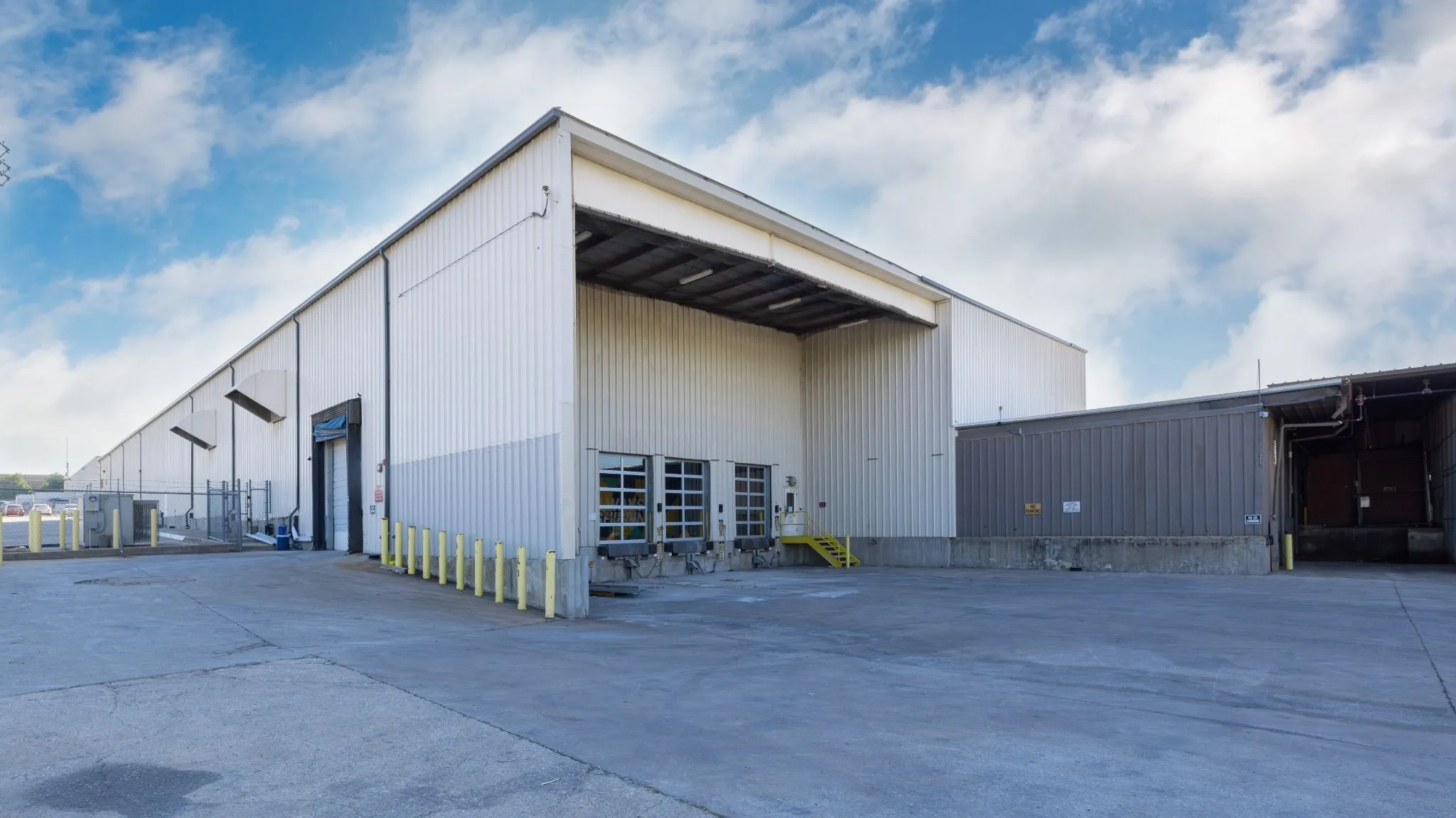
And, unlike 3PLs like ShipMonk, you never lose sight of your inventory or control of how your orders are packed and shipped, even if you hire our team to do fulfillment entirely for you.
To put the cherry on top, you’ll also get access to a community of ecommerce founders through our Upstream Entrepreneurs Club.
Disclosure: Even though Saltbox is our solution, I'll give you an honest look at what makes it the top alternative to ShipMonk in 2026.
Here's how ecommerce brands like Bamblu, Shinery, and Chunks have used Saltbox to grow on their terms: 👇
Warehousing and workspaces that match your stage of growth
Not every ecommerce brand is at the same point in its journey.
Some of you are still packing orders from the dining table, while others are managing a small team and a few hundred SKUs.
This is why Saltbox offers flexible warehouse suites and offices that range from 70 to 5,000+ sq. ft. across 11+ U.S. locations.
You can pay month-to-month from day one, with no long-term contract to sign before moving in.
And if your business outgrows its space or needs to downsize, you can switch to a different suite when the time comes.

Not ready to move into a warehouse space, yet?
Saltbox Access Plans will provide you with a mailing address, receiving services, discounted rates, on-site labor, and an entrepreneurial network.
Explore Access PlansWe have four warehouse tiers built for different stages of ecommerce growth:
- Small: Fits 1 to 2 employees, with 70 to 250 sq. ft. and room for 4 to 15 pallets. Built for solopreneurs and lean teams that want a dedicated space to work from.
- Medium: Designed for 1 to 4 employees, with 250 to 500 sq. ft. and capacity for 16 to 31 pallets. A solid option for brands that are starting to pick up momentum.
- Large: Supports 1 to 10 employees, with 500 to 1,000 sq. ft. and storage for 32 to 62 pallets. Best for teams with a growing catalog and steady order volume.
- Extra Large: Accommodates up to 50 employees, with 1,000 to 5,000+ sq. ft. and room for 63 to 125 pallets. Made for established DTC brands that need serious warehouse infrastructure.
➡️ Take our quiz after selecting your location to figure out the right warehouse fit, or book a tour and have our team figure out the right amount of space for your use case.
Shipping and operations with built-in support
Saltbox gives you the freedom to run your own fulfillment however you see fit.
You can do everything yourself, bring in occasional help during busy periods, or hand off packing and shipping to our on-site team entirely.

Here are the key operational benefits you get with Saltbox:
- Daily carrier pickups: Leave your outbound packages in our sorting area, and FedEx, UPS, and USPS handle the rest every weekday.
- Discounted shipping rates: Parsel, our shipping app partner, connects you with carrier rates that would normally require the kind of volume most startups don't have yet.
- On-demand labor: When order volume spikes or you're running a product launch, you can bring in our on-site team by the hour for packing, inbounding, kitting, and inventory management, billed in 15-minute increments starting at $45/hour.
- Free inventory inbounding: Our team receives and stores your packages even when you're not in the building, so your operations keep running on your schedule.
- 24/7 security: Surveillance and security measures are in place around the clock to protect your inventory.
- Content studio: Shoot product photos and videos in a professional on-site studio without renting external space.
Here's how we help make shipping easier for growth-stage Shopify brands: 👇
Ship for less with Parsel
You’ll get access to Parsel, our shipping app partner that unlocks carrier rates most startups would never be able to negotiate on their own.
Parsel integrates directly through the Shopify App Store, so you can manage labels, compare rates, and ship orders without leaving your existing workflow.
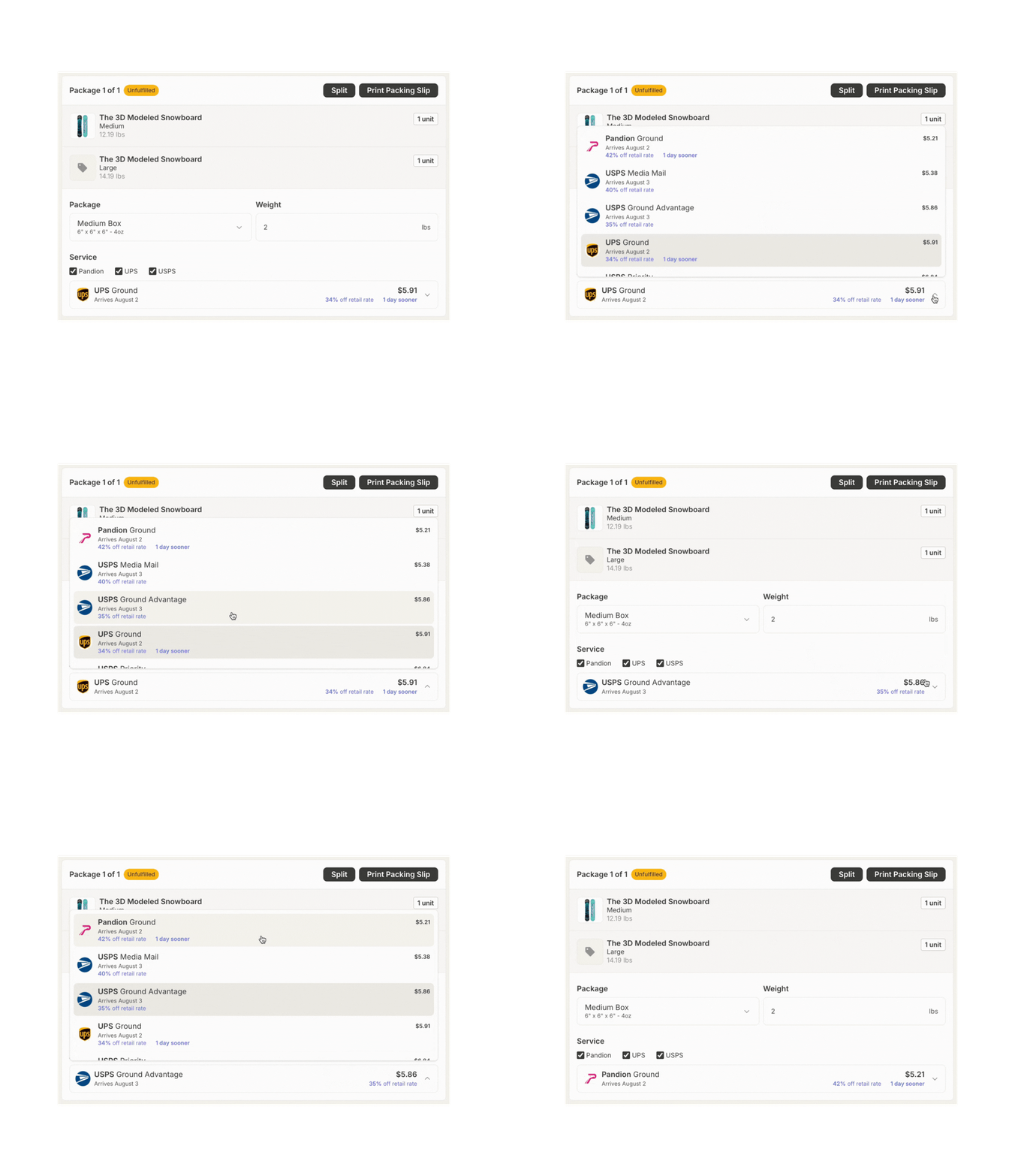
You’ll be able to compare prices across USPS, UPS, FedEx, and regional carriers in the app, then pick the best option for each shipment.
Parsel also supports efficient packing workflows and lets you ship orders as late as 4:30 PM.
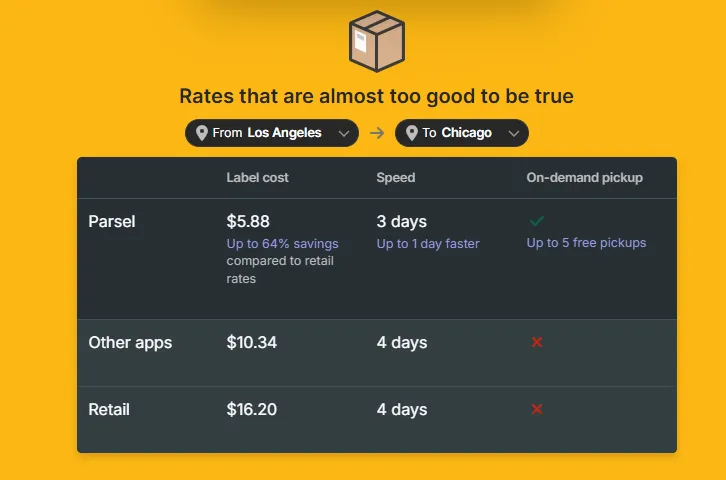
Want to try Parsel? You can sign up to Parsel here.
Saltbox locations across the U.S.
You'll find Saltbox on the West Coast, in the Central U.S., and along the East Coast.
Here's the full list of our locations:
- Los Angeles, San Gabriel Valley.
- Los Angeles, Torrance.
- Phoenix.
- Seattle, SoDo Row.
- Denver, Park Hill.
- Dallas, Carrollton.
- Dallas, Farmers Branch.
- Atlanta, Upper Westside.
- Atlanta, Westside Park.
- Washington D.C., Alexandria.
- Miami, Doral.

Interested in one of our locations across the U.S.?
You can book a tour to see it alongside our operations experts. Available Mon-Fri, 8:30 AM-4:30 PM Central Time.
Book a TourHow is Saltbox different from ShipMonk?
The core difference between Saltbox and ShipMonk is the model itself.
ShipMonk is a traditional 3PL: you ship your inventory to their warehouse, they store it, pick it, pack it, and ship it on your behalf.
You never touch your products once they arrive at their facility.
Saltbox flips that model entirely.
Instead of handing your inventory to a middleman, you get your own private warehouse suite with the tools and logistics support to run fulfillment yourself or with on-site help.
Here's what that looks like in practice:
- You stay in control of quality. With 3PLs like ShipMonk, wrong items get shipped, and customers get empty boxes because someone else is handling your orders.
At Saltbox, you pack every box, so quality control stays in your hands.
- No hidden fulfillment fees. ShipMonk charges per pick, per pack, and per special project, and those costs add up fast.
Several reviewers on Trustpilot have reported surprise charges that weren't disclosed during onboarding.
Saltbox has predictable monthly pricing with no per-order fees eating into your margins.
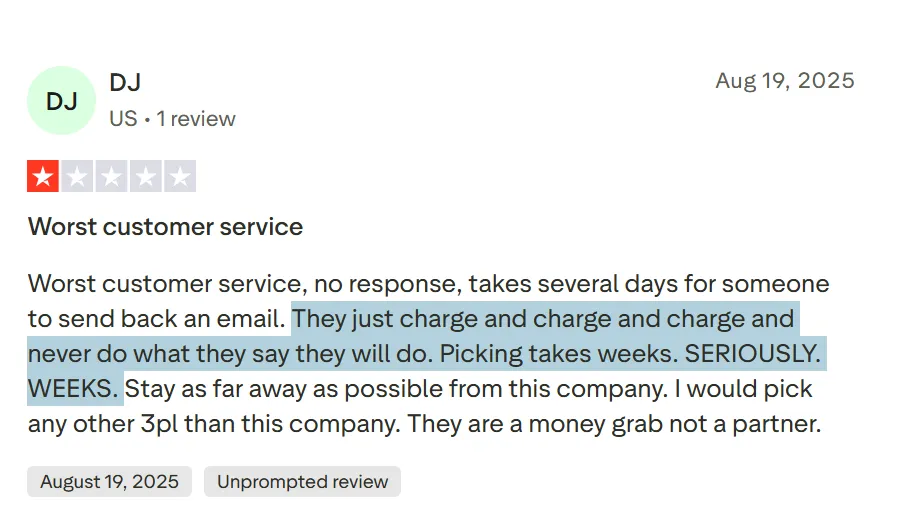
‘’They just charge and charge and charge and never do what they say they will do. Picking takes weeks. SERIOUSLY. WEEKS.’’ – Trustpilot Review.
- Custom packaging is simple. At a 3PL like ShipMonk, branded inserts, handwritten notes, and custom packaging all require extra fees and setup.
In your Saltbox suite, you control every detail of the unboxing experience directly.
- Shipping rates without the middleman markup. 3PL’s volume-weight charges usually catch many merchants off guard.
With our partner app Parsel, you see transparent rates across carriers and choose the best one for each shipment.
➡️ If you want a fully outsourced fulfillment operation and you're comfortable giving up physical access to your products, ShipMonk can still work.
➡️ If you want to stay close to your inventory, control the customer experience, and avoid surprise fees, Saltbox is built for that.
Saltbox membership, warehouse, and office pricing
Pricing at Saltbox starts with choosing your membership tier, then selecting a warehouse size (optional), and then adding an office (also optional).
There are 3 membership tiers:
- Virtual: $99/month. A fully virtual membership that includes a professional mailing address (mail only, no packages) and access to the Upstream Entrepreneurs Club community.
- Access: Starting from $349/month. This gives you physical access to Saltbox locations, including loading docks, packing stations, meeting rooms, and a content creation studio, without committing to a full warehouse suite.
- Warehouse: Custom pricing. Flexible warehouse and office suites built for ecommerce entrepreneurs, including shipping technology, on-site logistics support, and modern amenities.
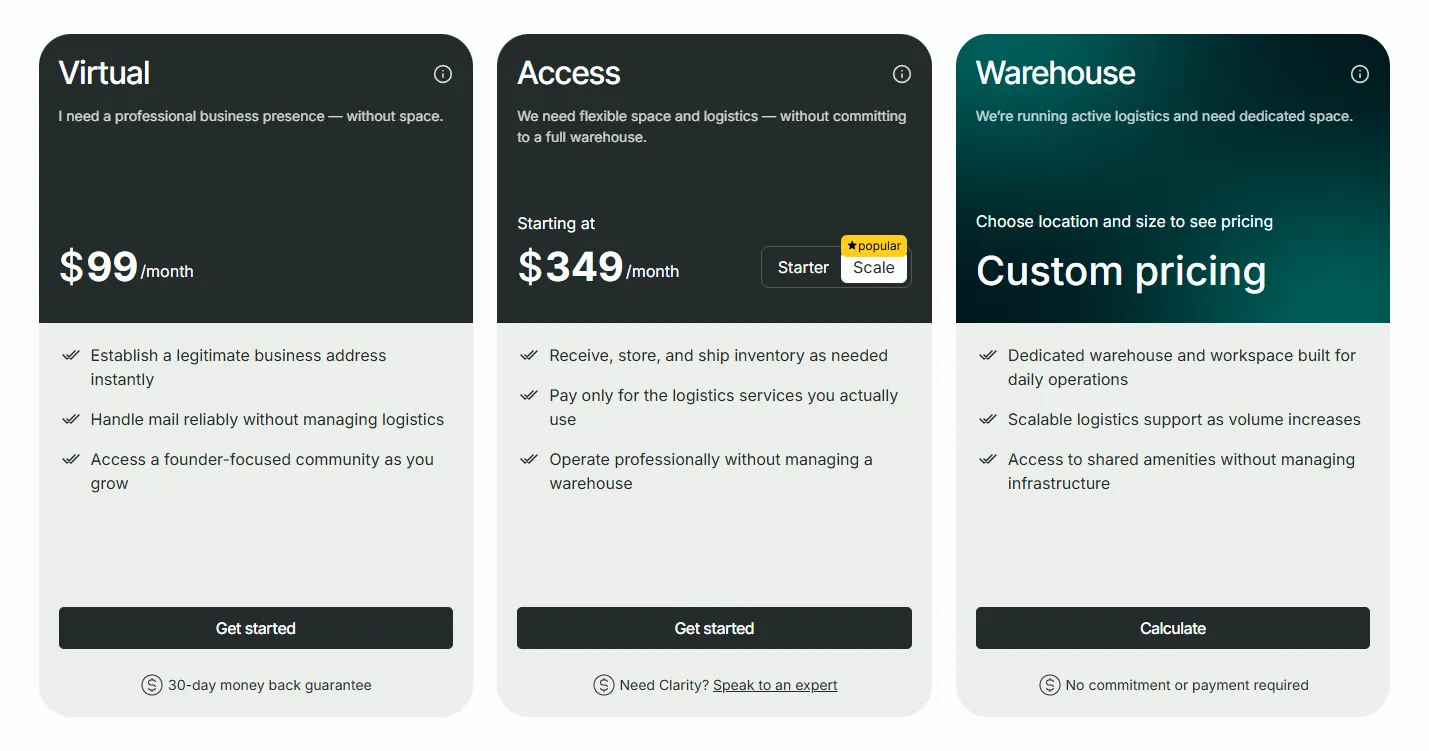
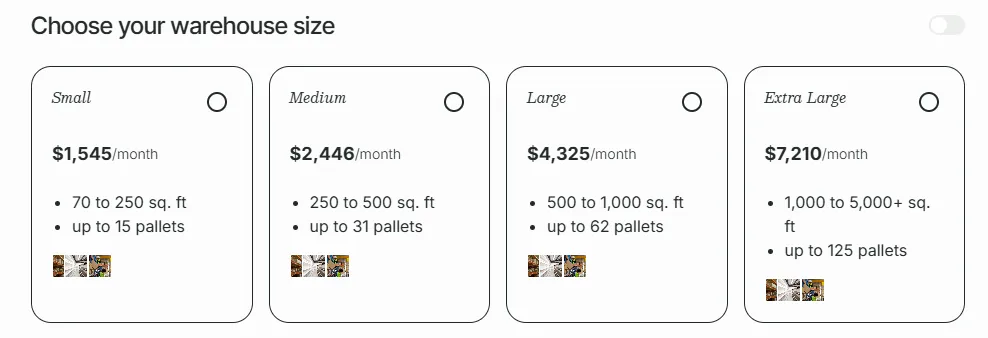
From here, you can select your warehouse size, as pricing varies by city. For example, here’s Phoenix's pricing:
- Small Warehouse: Starting at $1,545/month for 1-2 employees, 70 to 250 sq. ft., and can accommodate 4 to 15 pallets.
- Medium Warehouse: Starting at $2,446/month for 1-4 employees, 250 to 500 sq. ft., and can accommodate 16 to 31 pallets.
- Large Warehouse: Starting at $4,325/month for 1-10 employees, 500 to 1,000 sq. ft., and can accommodate 32 to 62 pallets.
- Extra Large Warehouse: Starting at $7,210/month for 1-50 employees, 1,000 to 5,000+ sq. ft., and can accommodate 63 to 125 pallets.
Finally, you'll need to select your office size, which also comes with regional pricing. Here's Phoenix’s pricing:
- 1-person office: $550/month for 1 chair and 1 desk.
- 2-person office: $850/month for 2 chairs and 2 desks.
- 3-person office: Not available at the moment, but has 3 chairs and 3 desks.
- 4-person office: $1,800/month for 4 chairs and 4 desks.
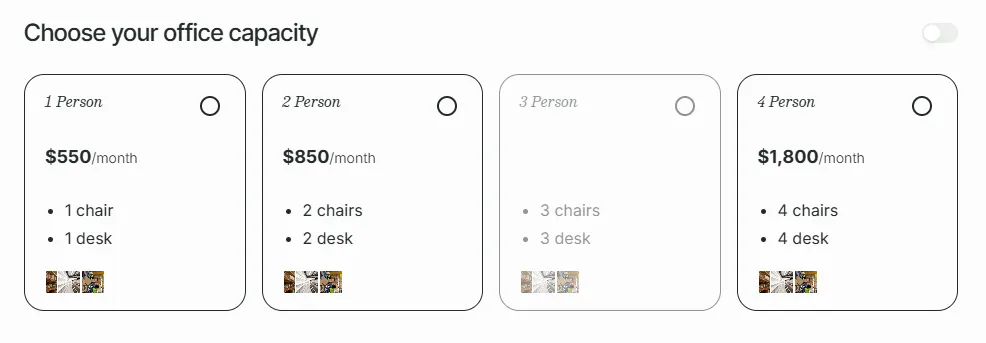
➡️ You can pay monthly, which means that you won't be locked into an annual contract. However, you can save 10% by paying annually, or save 5% when paying biannually.
Saltbox pros and cons
✅ Get warehousing, shipping infrastructure, and an office in one place across 11+ U.S. locations.
✅ Access memberships start at $349/month, which includes physical access to locations, loading docks, packing stations, and a content studio.
✅ Monthly payments with no long-term lease requirement.
✅ Your inventory stays in your private suite, so you never lose physical control.
✅ Save on shipping costs with Parsel's carrier partnerships (has a native integration in Shopify too!).
❌ Fewer locations than national 3PL networks like ShipMonk.
❌ Not available in Canada, although you can handle operations from our Phoenix location.
#2: Cubework
Best for: Shopify brands that have outgrown small warehouse units and need industrial-grade space with geographic flexibility.
Locations: 77+ across the U.S.
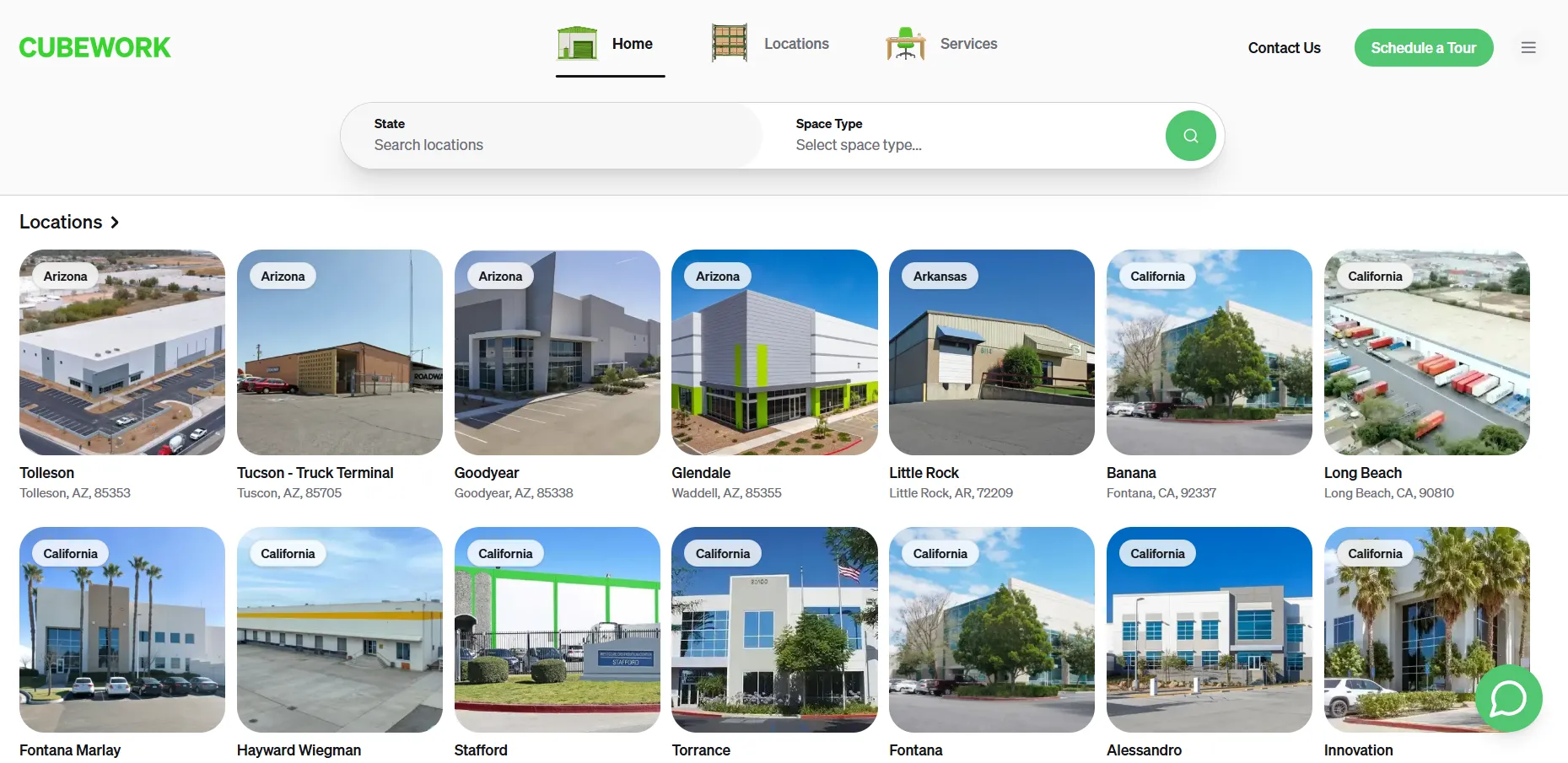
Cubework’s facilities stretch across 77+ U.S. locations with high ceilings, industrial zoning, advanced loading docks, and on-demand forklift drivers you can hire directly through the facility.
Lease terms start at 3 months, so you get serious warehouse infrastructure without a multi-year commitment, and unlike ShipMonk, your inventory stays under your roof.
Amenities and benefits

- Industrial-scale warehouse units, from small spaces to large facilities designed for distribution, fulfillment, and light manufacturing.
- On-demand forklift drivers you can hire directly through Cubework, plus outsourced labor at a lower cost.
- 24/7 monitored access with security across every location in the network.
- Member perks that go beyond the warehouse: catered breakfasts, BBQ events, trade show access, and discounted concierge services.
Pricing
Cubework does not list rates publicly. Costs can shift based on the city, unit size, and how long your lease runs.
You'll have to reach out to their team for numbers.
Pros and cons
✅ The fact that it has 77+ locations gives you one of the widest geographic footprints in the co-warehousing space.
✅ Lease terms start at just 3 months, which keeps things flexible for growing Shopify brands.
✅ On-demand forklift drivers and outsourced labor available directly through the facility.
❌ No published pricing makes it hard to compare before you pick up the phone.
❌ The environment skews industrial rather than community-oriented, which is why some of their members have been looking for Cubework alternatives.
#3: ReadySpaces
Best for: Shopify sellers who want a warehouse they can walk into tomorrow with zero setup headaches.
Locations: 38 across the U.S. and Canada.
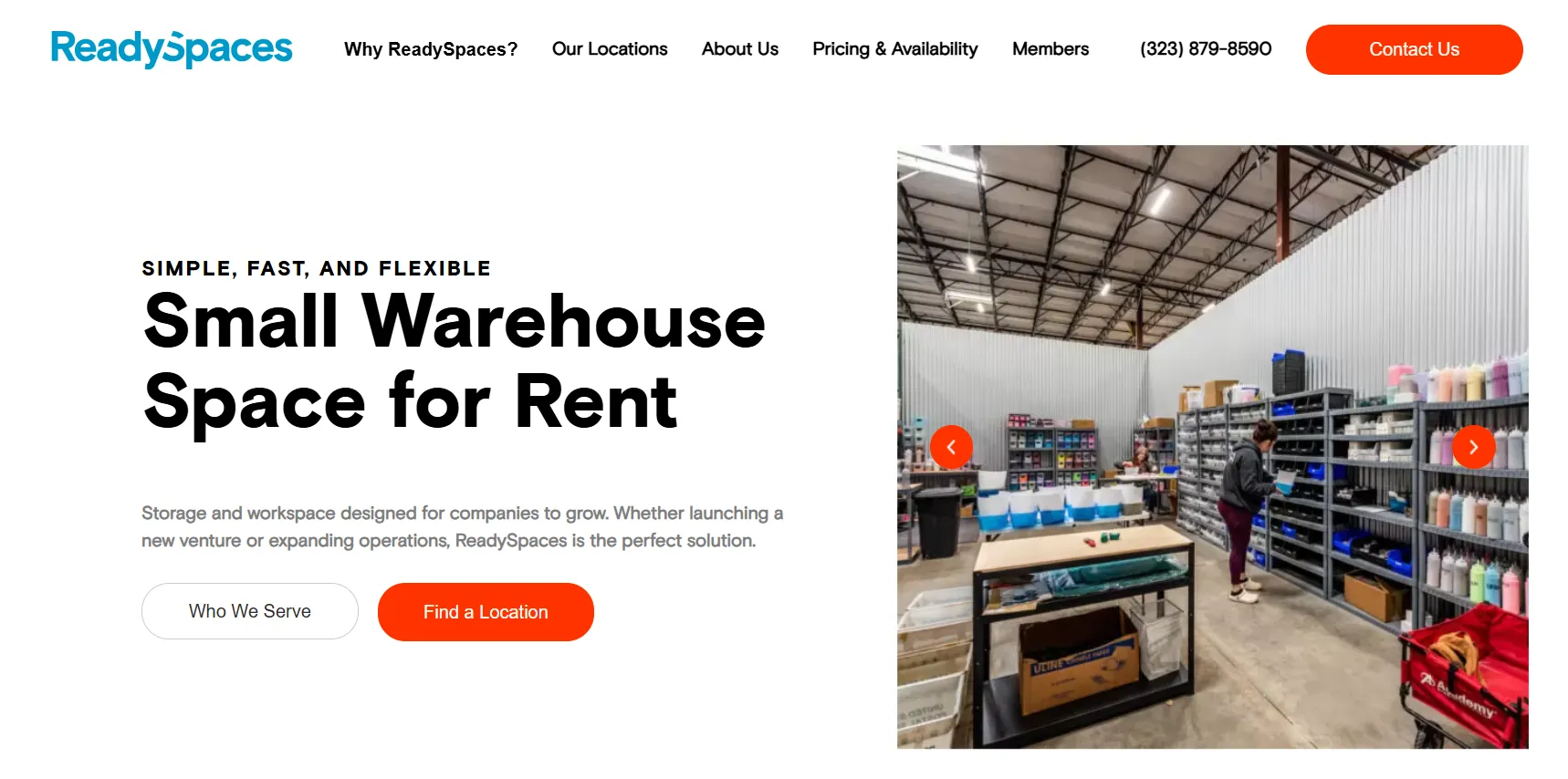
ReadySpaces strips out the complexity from 3PLs like ShipMonk: you pick a unit between 100 and 5,000 sq. ft., sign a short lease, and walk into a warehouse with forklifts, loading docks, and pallet jacks already waiting for you.
Their locations carry solid ratings on Google Reviews (e.g., 4.4/5 in Los Angeles), and members tend to appreciate the straightforward pricing and 24/7 access.
Amenities and benefits
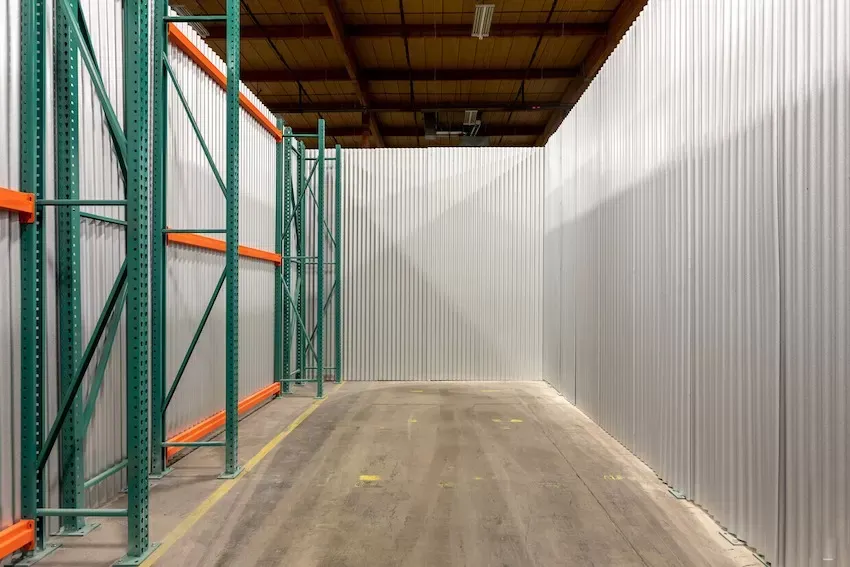
- Move-in-ready units with forklifts, loading docks, pallet jacks, and grade-level bays from day one.
- Flat monthly billing with no surprise charges on top of your lease rate.
- 24/7 access and security at every location, with coworking lounges and conference rooms at select facilities.
- Wide geographic coverage with 38 locations across the U.S. and Canada.
Pricing
ReadySpaces sets pricing per unit based on size, position within the facility, and features like dock proximity or 240V power access.
A custom quote is the only path to final numbers here.
Pros and cons
✅ Minimal paperwork and fast move-in, often within 24 hours.
✅ 38 locations gives you solid coverage across the U.S. and Canada.
✅ Transparent, flat-rate lease with no hidden fees.
❌ Oriented more toward storage and light industrial use than ecommerce-specific fulfillment, which is why some members have been looking for ReadySpaces alternatives.
❌ Coworking and office amenities can vary significantly depending on the location.
#4: WorkHub
Best for: Shopify brands based in Texas that need a warehouse with office space, no security deposit, and help getting started.
Locations: 7, all in Texas.
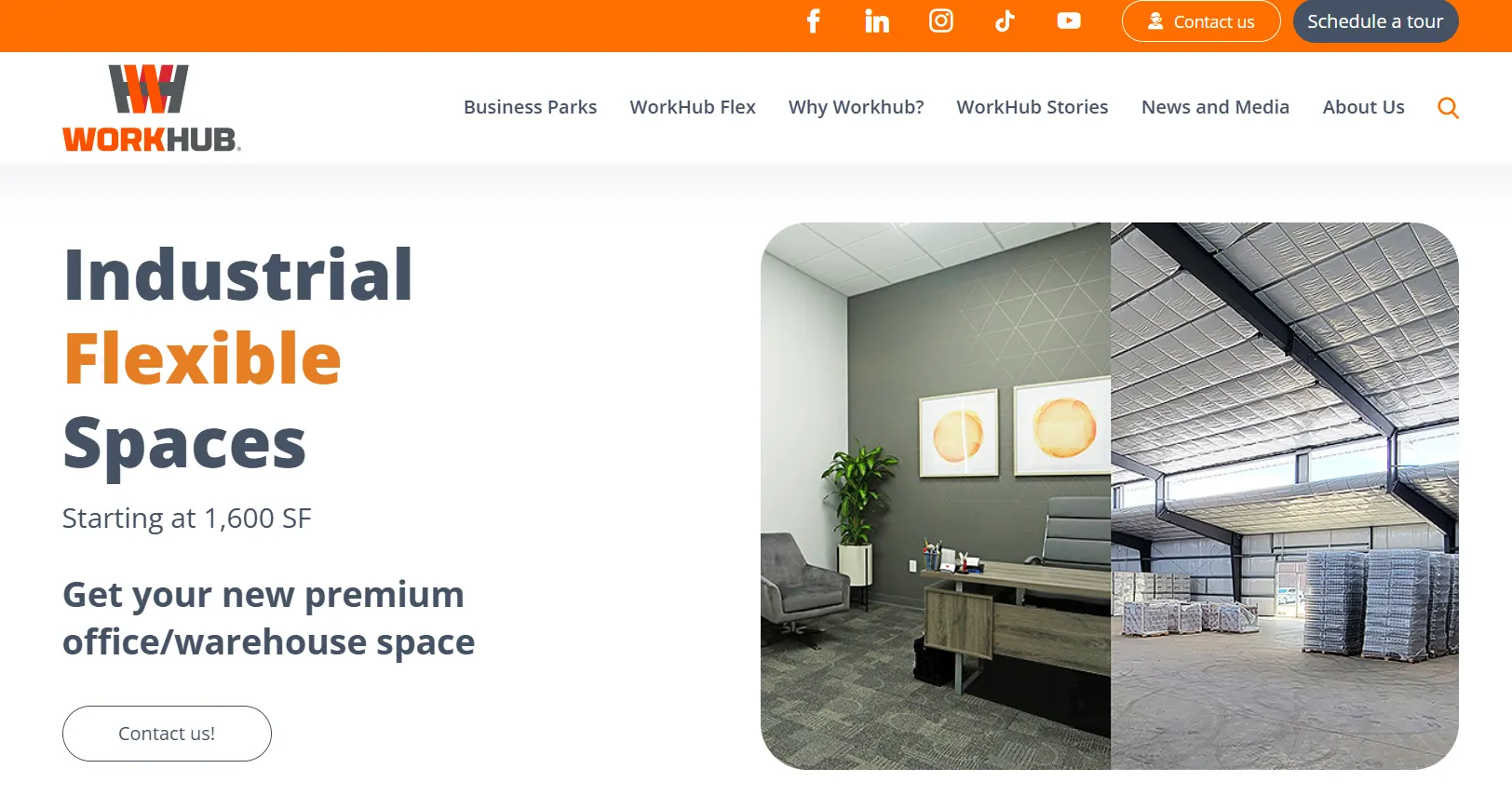
WorkHub offers everything from hot desks to private offices alongside climate-controlled warehouse spaces with loading dock access and forklift use at no extra charge.
The move-in incentive is the hook: free initial months and no security deposit to get started. For founders on Shopify coming off ShipMonk's rigid contract terms, that kind of low-friction entry is appealing.
Amenities and benefits
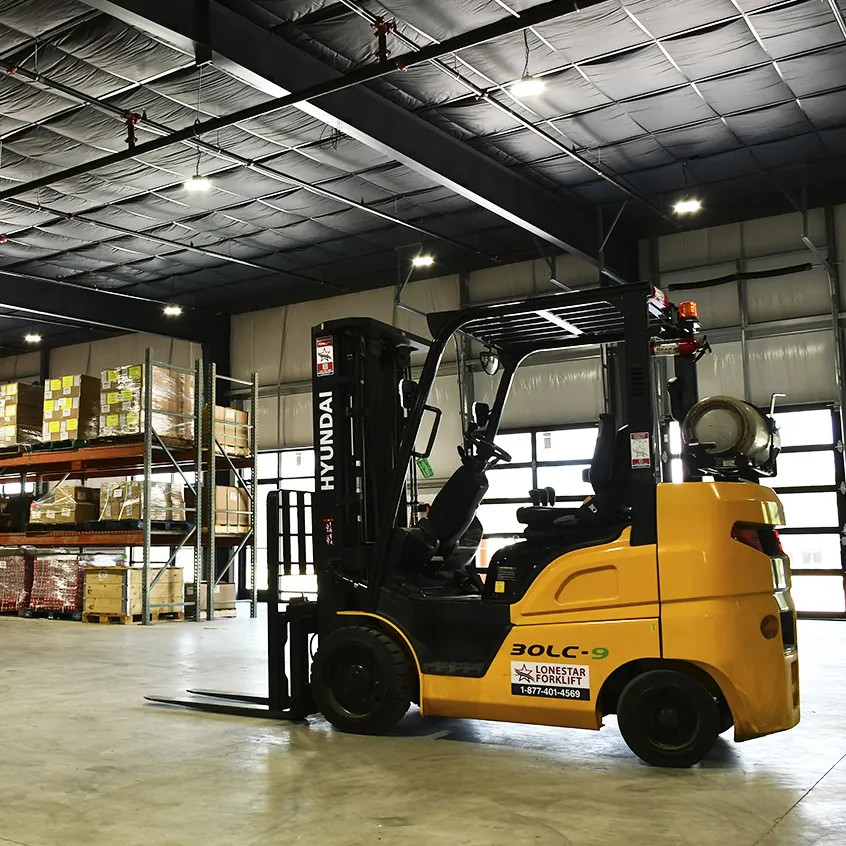
- Range of workspace configurations spanning hot desks, dedicated desks, meeting rooms, private offices, and warehouse units.
- Free loading dock and forklift access included with warehouse space at no additional cost.
- Energy-efficient, climate-controlled buildings with high-speed fiber internet and three-phase electric power.
- Networking and community features, including business plan competitions, accelerator opportunities, and access to vetted service providers.
Pricing
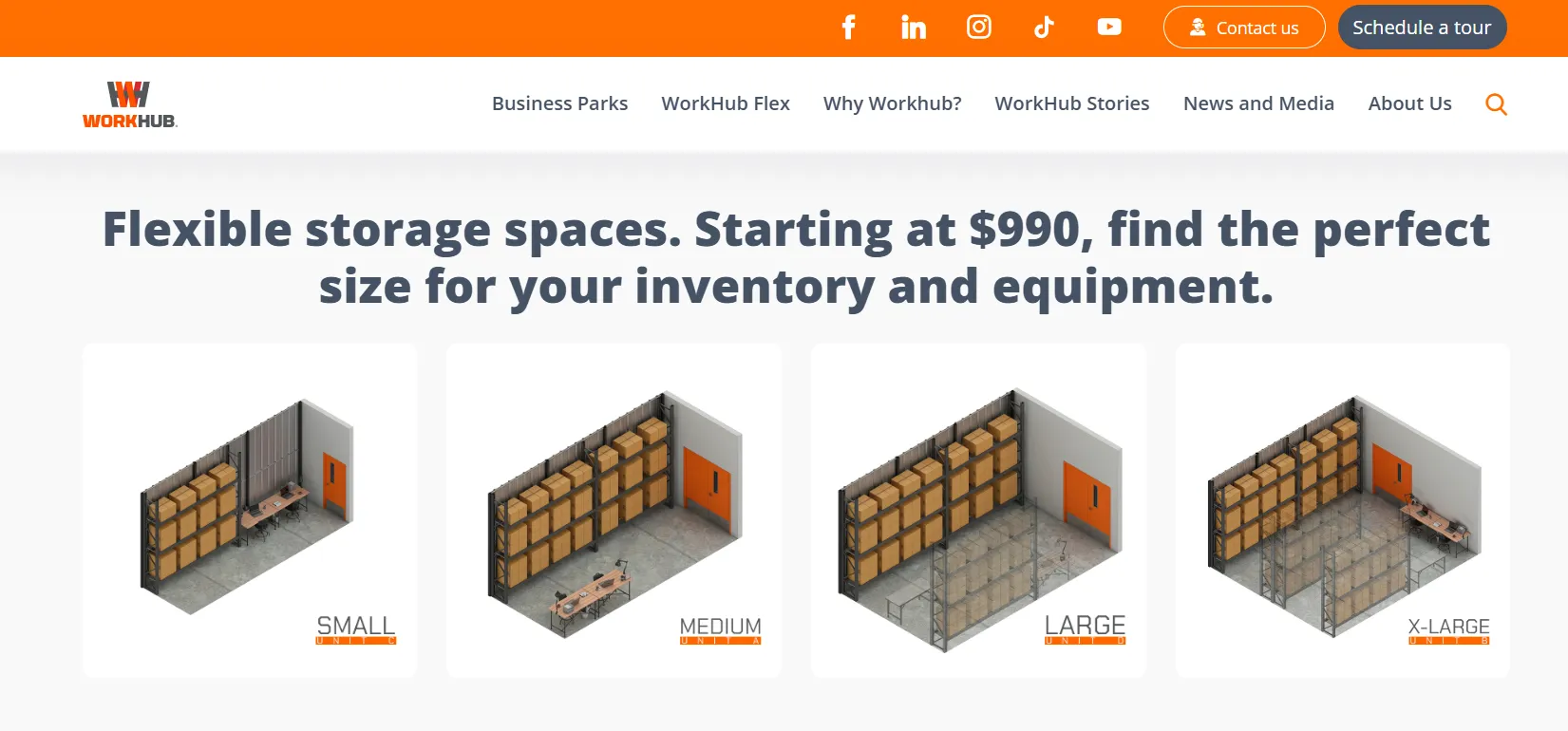
Limited pricing information is available publicly, but warehouse storage starts at $990/month.
Final rates depend on unit size and location within the WorkHub network.
Pros and cons
✅ Free initial months and no security deposit make it easy to get started.
✅ Loading dock and forklift included at no extra charge.
✅ Community features like business competitions and venture capital access go beyond typical warehouse perks.
❌ Every location is in Texas, so it won't work if you need a presence in other states.
❌ Pricing structure is not easy to compare ahead of time.
What are the best 3PL alternatives to ShipMonk?
If you're not ready to take fulfillment in-house and you still want someone else to pick, pack, and ship your orders, there are other 3PLs on the market.
Here are three 3PL fulfillment alternatives to ShipMonk:
#1: Flowspace
Best for: Shopify brands shipping enough volume to benefit from distributed inventory placement across a nationwide network.
Locations: 150+ fulfillment centers across the U.S. and parts of Canada (partner-operated, not owned).
Yes, Flowspace is still a 3PL. You're still giving up physical access to your products. But the technology sitting on top of the fulfillment network is where Flowspace tries to differentiate.
Where ShipMonk operates its own warehouses, Flowspace routes your inventory across 150+ partner-run fulfillment centers based on where your customers are. Their platform connects natively with Shopify, Amazon, TikTok, and Walmart, and handles carrier selection automatically to balance cost and speed per order.
Amenities and benefits
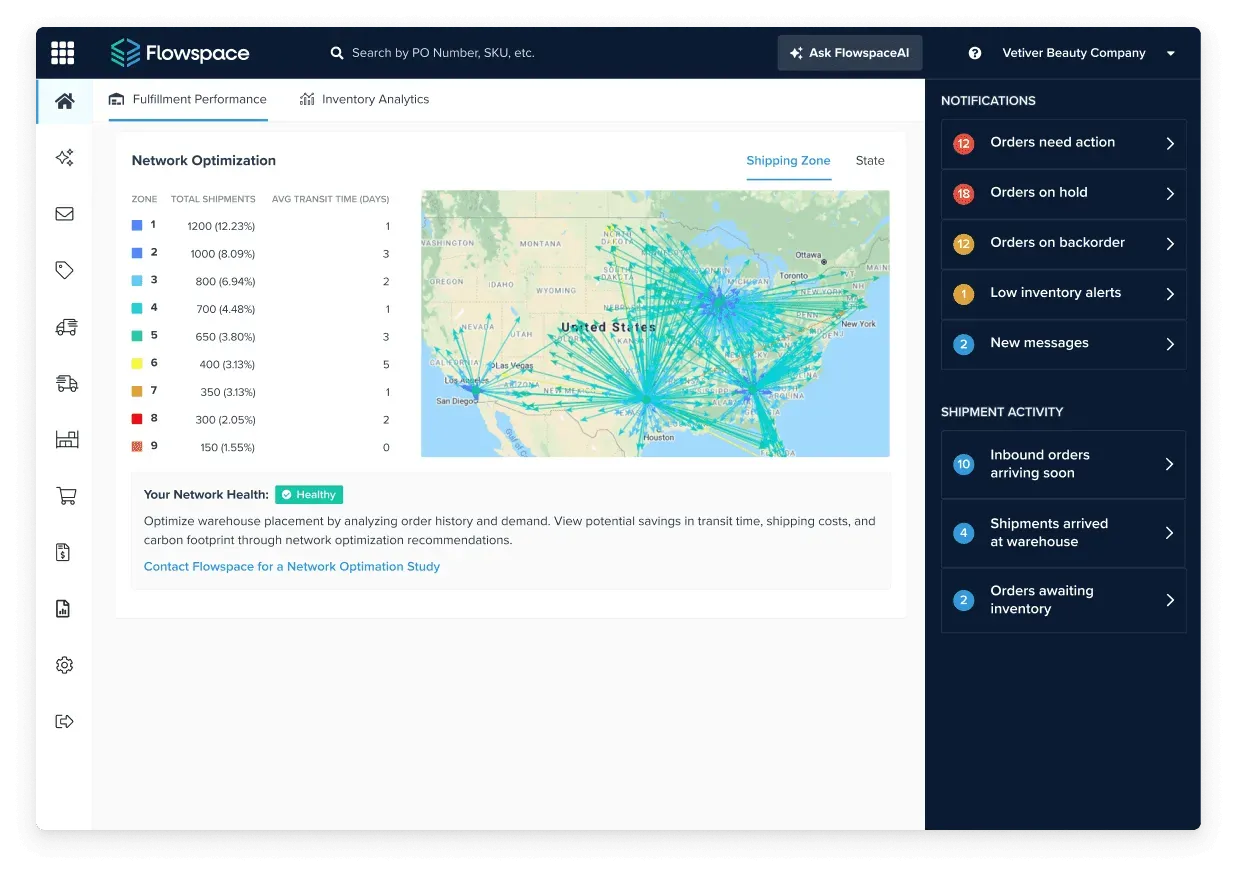
- Distributed inventory placement that positions your products closer to end customers to reduce shipping costs and delivery times.
- Full fulfillment services including pick, pack, ship, kitting, labeling, and returns management.
- Real-time tracking and order management through their platform, with native Shopify integration.
- Automated rate shopping that selects the best carrier option for each individual shipment.
Pricing
Every Flowspace quote is custom. You'll pay across storage (per pallet or cubic foot), pick and pack (per order with per-item surcharges), and shipping at their negotiated carrier rates.
Pros and cons
✅ 150+ fulfillment locations give you the widest geographic coverage on this list.
✅ Native Shopify integration with real-time inventory and order visibility.
✅ Fulfillment services cover everything from kitting to returns.
❌ You have no physical access to your inventory, and quality varies depending on which partner warehouse you land in.
❌ Opaque pricing with documented complaints about unannounced rate increases, which is why some members have been looking for Flowspace alternatives.
#2: FedEx Fulfillment
Best for: Higher-volume Shopify brands already embedded in the FedEx ecosystem that want warehousing and fulfillment under one carrier's roof.
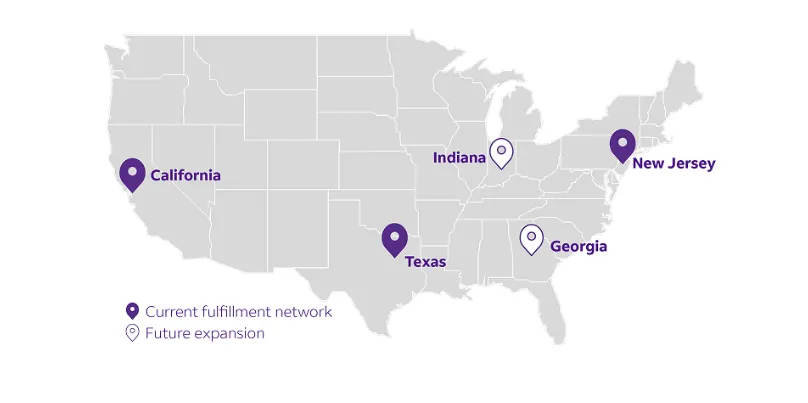
Locations: 3 company-operated fulfillment centers in California, Texas, and New Jersey, with 2 more planned in Georgia and Indiana.
If FedEx is already your primary shipping partner, keeping fulfillment inside that same network has a certain logic to it.
Their cloud-based logistics platform connects with Shopify, and multi-carrier rate comparison is built in, so you're not locked into FedEx-only shipping
For Shopify brands moving on from ShipMonk but still needing large-scale outsourced fulfillment, this is worth a conversation.
Amenities and benefits

- Robotics-driven automation with warehouse robots handling pick, pack, and ship around the clock, every day of the year.
- Multi-carrier rate comparison that lets you ship with FedEx or compare against other carriers for each order.
- Cloud-based logistics platform with AI tools for inventory decisions, error reduction, and performance tracking.
- Returns processing and custom packaging included in the fulfillment service.
💡 If you’re interested in how Flowpsace compares to FedEx Fulfillment, you can check out our Flowspace vs. FedEx Fulfillment guide.
Pricing
Custom pricing only. Your rate depends on how many orders you ship and how much inventory you store.
No rate card is published, so the only way to get numbers is through their sales team.
Pros and cons
✅ FedEx's global logistics infrastructure and 2-day delivery reach across 96% of the U.S.
✅ Shopify integration with AI-driven inventory and fulfillment tools.
✅ Multi-carrier flexibility means you're not locked into FedEx-only shipping.
❌ Built for established brands with high order volumes, not early-stage Shopify sellers.
❌ Only 3 fulfillment centers currently live, with limited location selection.
#3: Flexe
Best for: Mid-market and enterprise Shopify brands that need warehouse capacity they can scale up or down without signing leases.
Locations: 800+ warehouse operators across the U.S.

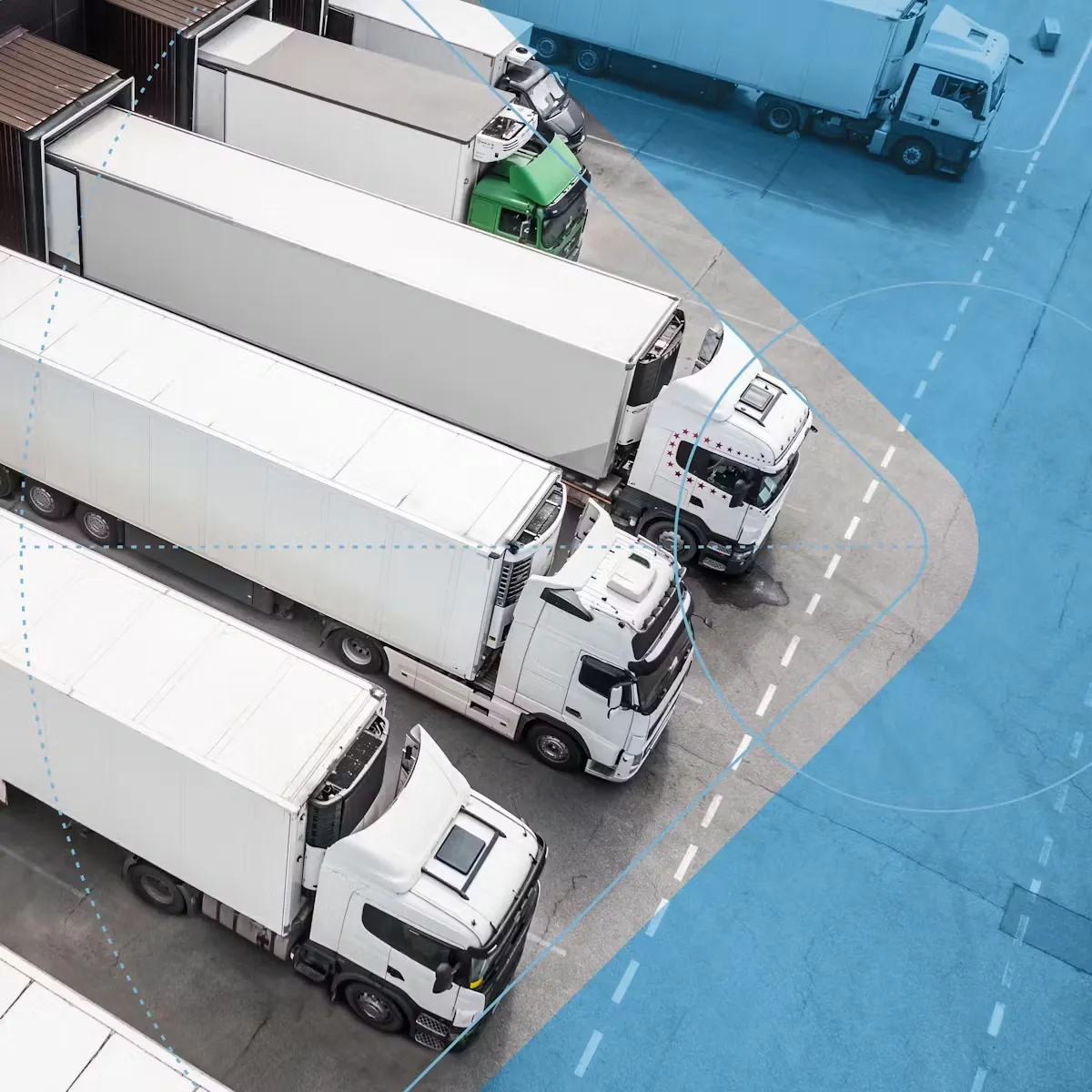
Flexe doesn't fit neatly into the 3PL box: it's closer to an infrastructure layer for warehouse capacity.
You plug into their network of 800+ operators through a single tech integration, and from there, you access fulfillment, distribution, and overflow storage on a pay-as-you-go basis.
Amenities and benefits
- One integration, hundreds of operators. A single tech connection gets you into Tier 1 through Tier 3 markets across North America.
- Dedicated logistics analyst who manages your daily operations, tracks KPIs, and acts as your single point of contact.
- Network planning tools with proprietary data to help you decide where to position inventory.
💡 If you’re interested in how Flowspace compares to Flexe, you can read our Flowspace vs. Flexe guide.
Pricing
Transactional pricing, custom-built per client. Nothing is listed publicly.
Pricing conversations start with their team and are scoped to your storage volume, order throughput, and fulfillment needs.
Pros and cons
✅ 800+ warehouse operators gives you the largest flexible network to work with in North America.
✅ Pay-as-you-go eliminates the risk of overcommitting to fixed warehouse space.
✅ Can go live in weeks through a single integration.
❌ Enterprise-oriented. Smaller Shopify brands may not fit the minimum requirements.
❌ You're renting capacity inside someone else's warehouse, so there's no dedicated space to walk into.
What are the best flexible warehouse and Canadian alternatives to ShipMonk?
Not every Shopify brand leaving a 3PL needs a full co-warehousing setup or another outsourced fulfillment provider.
Some founders need a warehouse they can move into and run on their own.
Others sell into the Canadian market and need infrastructure north of the border.
These three options cover both angles:
#1: TradeSpace
Best for: Canadian Shopify sellers in Alberta who want warehouse space, office space, and fulfillment support in one location without a long-term lease.
Locations: 3, all in Calgary, Canada.
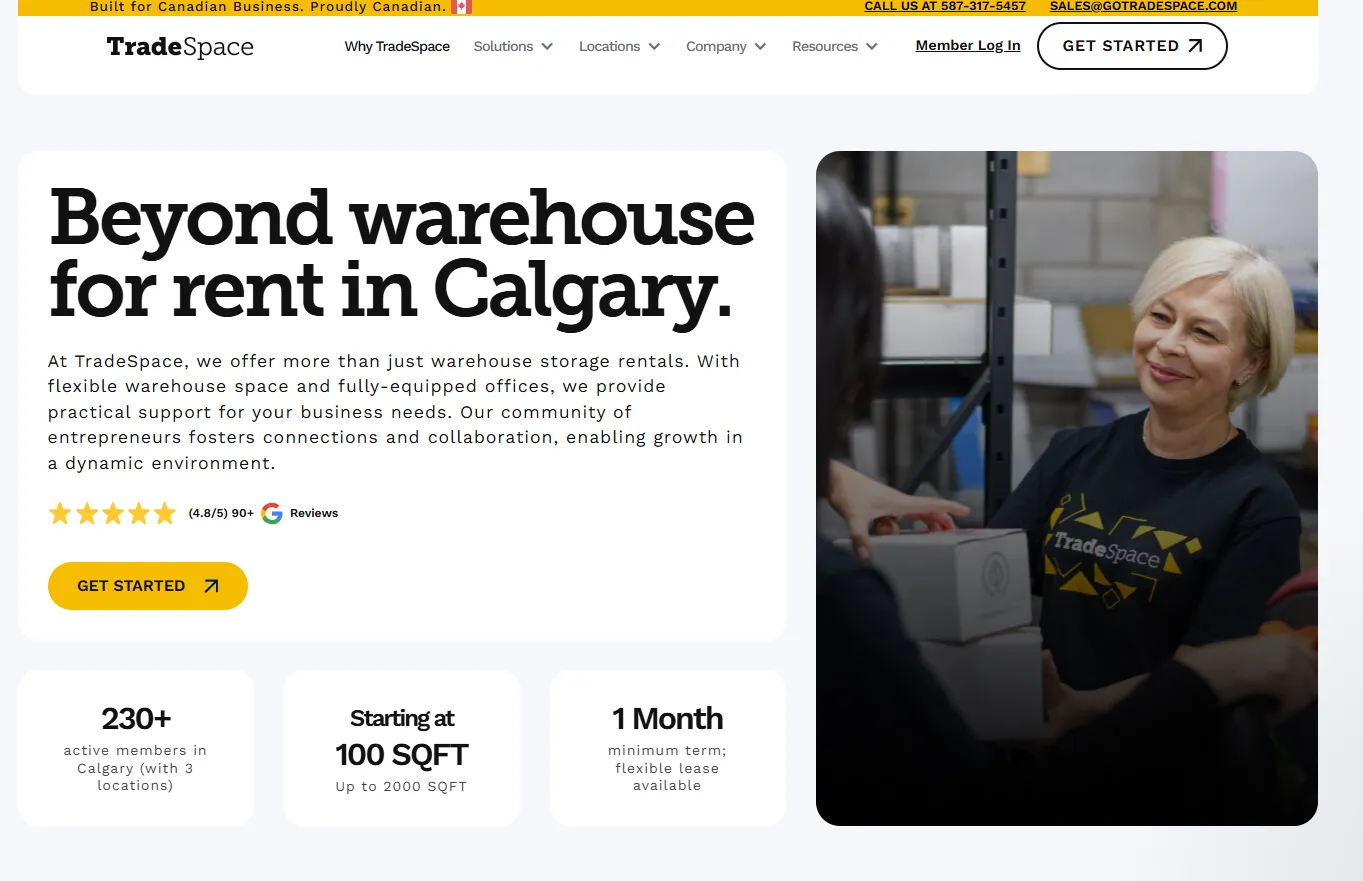
If your Shopify store serves Canadian customers and you need a physical base in Western Canada, TradeSpace is one of the few co-warehousing providers built specifically for that market.
They combine flexible warehouse units from 100 to 2,000 sq. ft. with office space, cross-docking services, and on-site fulfillment support, including shipping, receiving, and forklift access.
Amenities and benefits
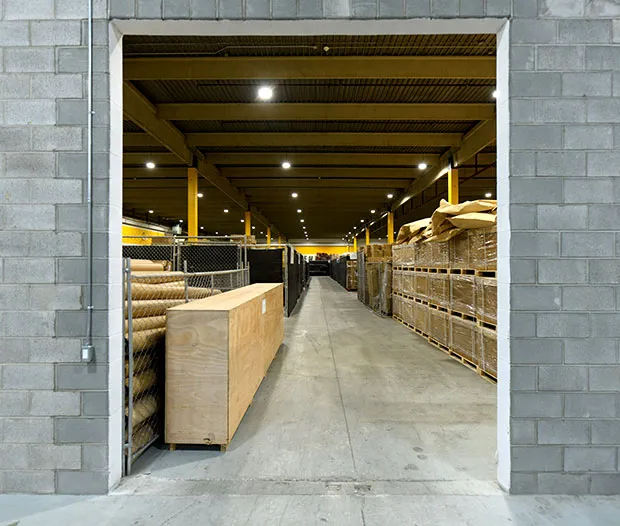
- Flexible warehouse units from 100 to 2,000 sq. ft. that work for startups and growing operations alike.
- Cross-docking services that reduce storage time and speed up inventory movement through the facility.
- Shipping, receiving, and fulfillment support with access to forklifts and on-site labor included.
- All-inclusive office space with no added overhead costs and amenities bundled in.
Pricing
TradeSpace does not publish pricing publicly.
You'll need to contact them for a custom quote based on your unit size and needs.
Pros and cons
✅ Month-to-month flexibility with no long-term commitment.
✅ Built-in fulfillment capabilities including pick, pack, ship, labeling, and storage.
✅ Community environment focused on collaboration between entrepreneurs.
❌ All three locations are in Calgary, which limits reach outside Alberta.
❌ Unit sizes max out at 2,000 sq. ft.
#2: FlexSpace Logistics
Best for: Shopify brands that sell into Canada and need nationwide access to storage, fulfillment, and transportation without tying themselves to a single facility.
Locations: 450+ partner locations across Canada, including Toronto.
FlexSpace Logistics works differently from most providers on this list.
Instead of running its own warehouses, it connects your business to the right storage, fulfillment, and transportation partners from a network of 450+ locations spanning coast to coast across Canada.
Amenities and benefits

- Flexible storage solutions that grow or shrink with your inventory, from 25 sq. ft. to several thousand sq. ft.
- DTC and B2B fulfillment services, including inventory management, order processing, and returns handling.
- Full logistics capabilities covering LTL, FTL, specialized trucking, and last-mile delivery across Canada.
- Month-to-month contracts with no long-term warehouse lease required.
Pricing
Every FlexSpace solution is custom-built, so nothing is listed publicly.
You'll need to request a quote through their team for pricing based on your storage, fulfillment, and transportation needs.
Pros and cons
✅ 450+ partner locations gives you the broadest Canadian warehouse coverage available.
✅ Storage, fulfillment, and logistics combined in a single relationship.
✅ Strong transportation capabilities for B2B and DTC shipping across Canada.
❌ You're working with partner warehouses, not walking into your own dedicated space.
❌ Less suited for Shopify brands that want hands-on, physical control of their inventory.
#3: Room2Work
Best for: Atlanta-area Shopify sellers who are outgrowing their home office and need an affordable first step into warehouse and coworking space.
Locations: 1, in Roswell, GA (greater Atlanta metro area).
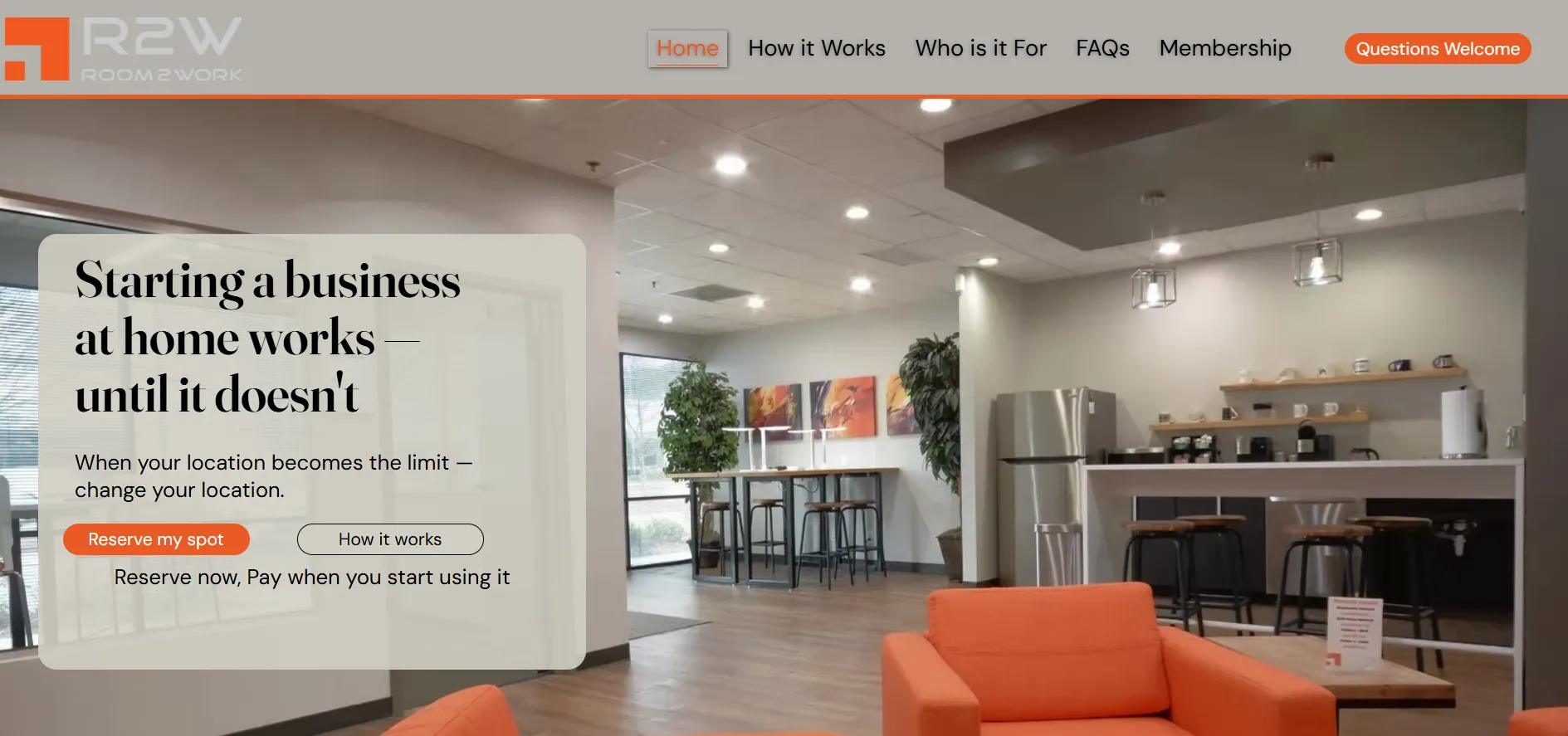
Room2Work is the smallest provider on this list by a wide margin with its one and only location.
But that's exactly the point.
If you're an Atlanta-based Shopify founder who's been packing orders from the kitchen counter and just needs a real workspace with some storage, and a mailing address, Room2Work can fill that gap at a reasonable price point.
Amenities and benefits
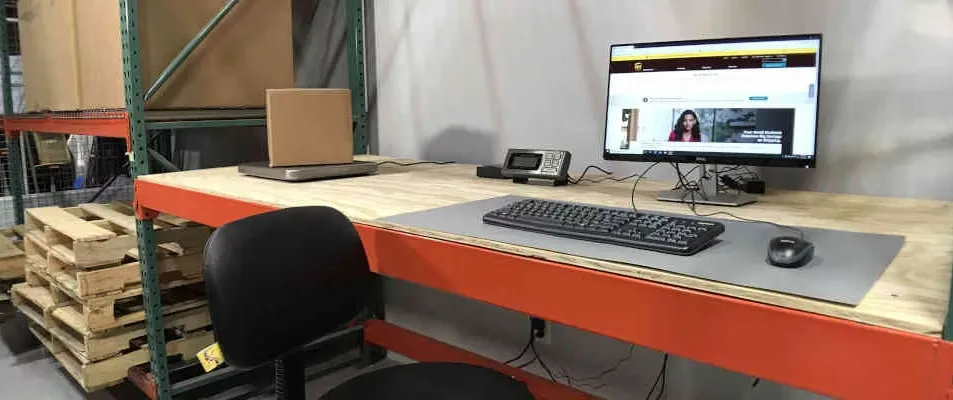
- Hybrid coworking and warehouse setup with flexible memberships that include office space, warehouse storage, and meeting rooms.
- Light production space for ecommerce tasks like kitting, assembly, photography, and equipment configuration.
- Professional meeting and conference rooms available for client visits and team sessions.
- Community of small business owners in a facility designed for people outgrowing home-based operations.
Pricing
Room2Work keeps its pricing simple with month-to-month memberships and no long-term contracts:
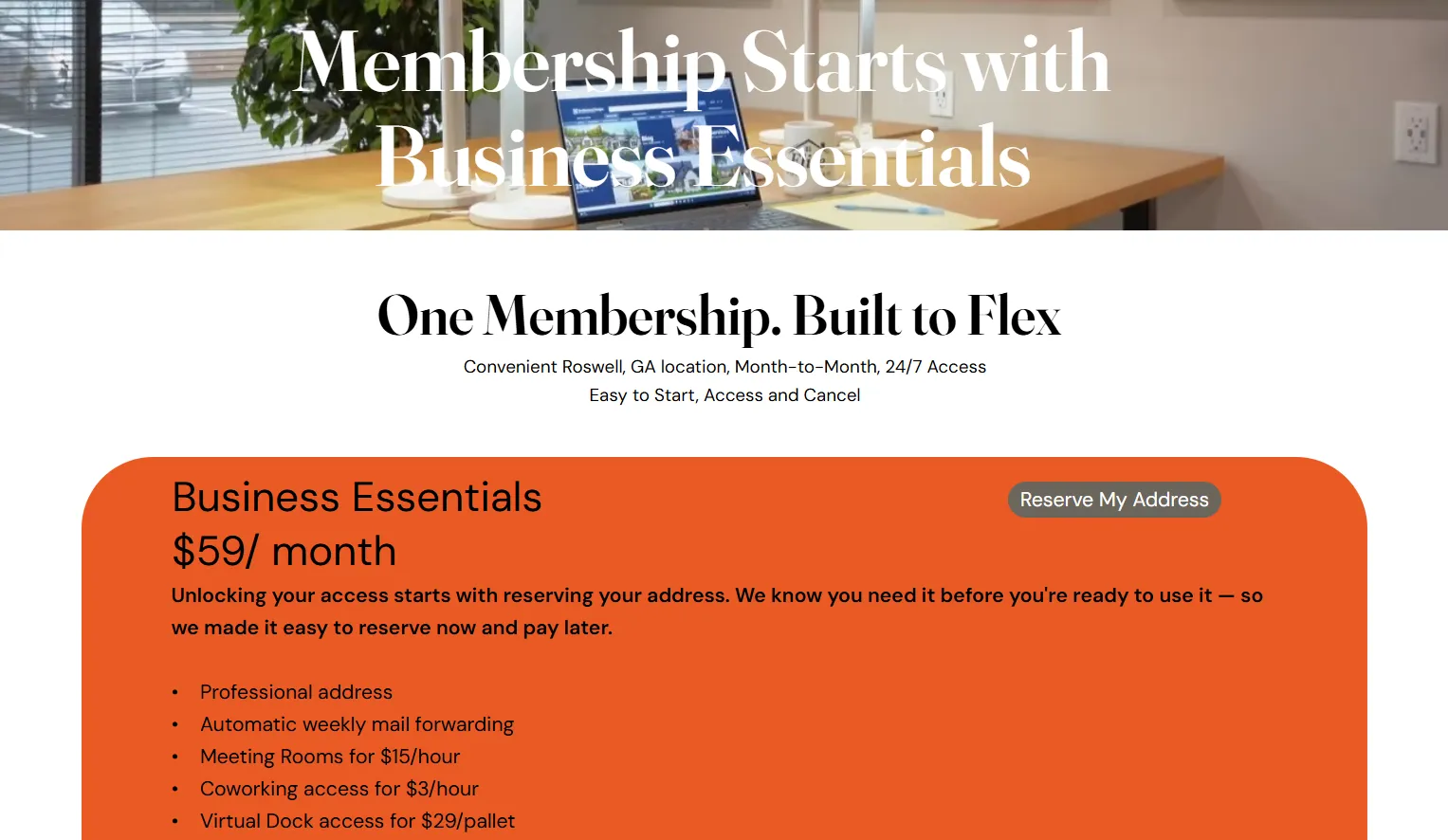
- Business Essentials: $59/month. Gets you a professional address, automatic weekly mail forwarding, meeting rooms at $15/hour, coworking access at $3/hour, and virtual dock access at $29/pallet.
- Add Coworking: $99/month on top of Business Essentials. Gives you regular access to ergonomic sit/stand desks seven days a week.
- Meeting Rooms: $15/hour for members. Options range from a huddle room for quick conversations to a conference room for larger client meetings, each equipped with whiteboards and wireless monitors.
- Dedicated Workspace and Storage: You’ll have to join the waitlist. Private offices and storage space for teams of 2-5 people or storage for 4 to 16 pallets, with month-to-month flexibility.
Pros and cons
✅ One of the most affordable entry points on this list for early-stage Shopify brands.
✅ Includes meeting rooms, a mailing address, and light production areas.
❌ One location in Roswell, GA. If you're not near Atlanta, this isn't an option.
❌ Not designed for brands with high-volume fulfillment needs or large inventories.
Take control of your fulfillment with Saltbox
I've covered 10 ShipMonk alternatives across three categories: co-warehousing, 3PLs, and flexible warehouse space.
Switching to another 3PL might fix some issues, but the fundamental trade-off stays the same: you give up control.
Saltbox exists for the founders who decided they're done with that trade-off.
Here's what you get when you choose us:
- Month-to-month warehouse suites with 24/7 security that you can access in working hours.
- Discounted shipping rates through Parsel that plug directly into your existing store.
- On-demand labor for packing, kitting, and inventory management.
- Free inventory inbounding even when you're not in the building.
- A network of fellow ecommerce founders through the Upstream Entrepreneurs Club.
- No per-order fees, no surprise invoices, and no six-month exit process.
Our access memberships start at $349/month for brands that want physical access to logistics infrastructure, loading docks, packing stations, and a content studio without a full warehouse commitment.
You can talk to an expert to learn more about Saltbox, or book a tour at one of our locations to see the space for yourself.
Frequently asked questions
For brands that want to maintain control over their fulfillment operations without the overhead of a traditional warehouse, small bay space can be a strong alternative to outsourcing to a 3PL.
Traditional 3PLs give you access to shared fulfillment infrastructure on their terms. Saltbox is a co-warehousing model, which means members get private warehouse suites they control, an on-site team that's physically present, and access to Parsel, Saltbox's shipping platform partner, for discounted shipping and real-time tracking.
The model is built for founders who want the support of a fulfillment partner without giving up visibility and control. Read more here about how Saltbox compares to traditional third-party logistics providers.
Co-warehousing differs from a traditional 3PL in that it gives small businesses direct access to their inventory, flexible terms, and on-site resources.
You’ll meet with a Saltbox team member, review your needs, and confirm next steps to join.