.webp)


Key takeaways
- Flowspace runs a distributed 3PL network that connects ecommerce brands with fulfillment centers across the U.S. through its tech platform, OmniFlow. It's designed for brands that want to completely hand off warehousing and order fulfillment without managing physical space.
➡️ Choose Flowspace if you want a fully outsourced, tech-driven 3PL that handles picking, packing, and shipping across multiple warehouse locations nationwide.
- FedEx Fulfillment taps into FedEx's logistics infrastructure to provide warehousing and order fulfillment from a small number of strategically placed centers. It targets mid-to-large brands that already ship at high volumes and want fulfillment tied directly to the FedEx carrier network.
➡️ Choose FedEx Fulfillment if you're an established brand shipping thousands of orders monthly and want direct access to FedEx's carrier ecosystem and 2-day delivery coverage.
- Saltbox takes a different approach entirely. Instead of outsourcing your fulfillment to a third party, you get your own private warehouse and office suite with built-in shipping discounts through Parsel, on-demand labor when you need extra hands, and zero long-term lease requirements. You stay in control.
➡️ Choose Saltbox if you want your own warehouse space with fulfillment support, carrier discounts, and true month-to-month flexibility without handing over control of your inventory or signing long commitments.
Trying to decide between Flowspace vs. FedEx Fulfillment for your ecommerce brand's warehousing and fulfillment needs?
Both names carry weight in the fulfillment world, but they cater to very different types of businesses.
Pick the wrong one, and you could end up locked into contracts, buried in fees you didn't expect, or stuck with a setup that doesn't match how your brand actually operates.
I'll walk you through each solution's warehouse model, fulfillment capabilities, shipping options, coverage, pricing, and what real members are saying so you can figure out which one actually fits.
➡️ I'll also cover a third option that addresses the gaps both Flowspace and FedEx Fulfillment leave behind:
Saltbox (that's us): a co-warehousing solution designed for growth-stage DTC brands that need their own fulfillment-ready warehouse space, discounted carrier rates, and month-to-month flexibility.
Flowspace vs. FedEx Fulfillment vs. Saltbox: facilities and services
Here's a quick snapshot before I go deeper into each one.
- Flowspace operates as a network-based 3PL, routing your inventory across partner warehouses to get products closer to customers. You don't get your own space.
- FedEx Fulfillment works similarly, but through FedEx-operated centers with robotics and AI-driven logistics.
- Saltbox flips the model by giving you a private warehouse suite with on-site logistics support, so you keep direct access to your products while still getting fulfillment help.
Flowspace's facilities and services
Flowspace doesn't own or operate its own warehouses.
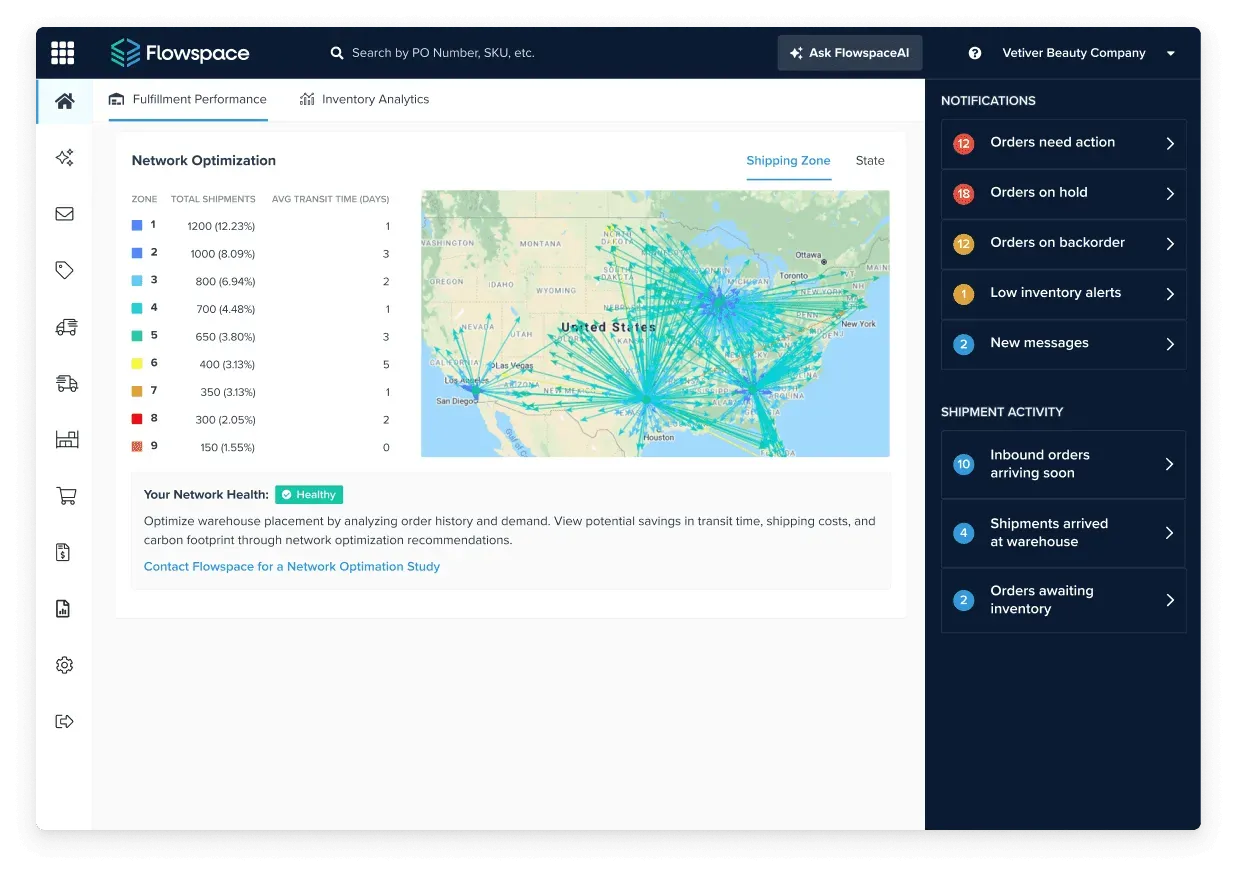
It functions as a distributed fulfillment network, pairing your brand with third-party warehouse partners scattered across the country through its proprietary OmniFlow software.
Your inventory gets stored alongside other brands in shared fulfillment centers.
You won't pick the specific warehouse or walk through the facility where your products sit.
Warehouse model and space
There's no private suite or dedicated warehouse with Flowspace.
Your products go into whichever partner facility the platform assigns based on shipping zone coverage and demand patterns.
This approach works if you're growing fast and want coast-to-coast distribution without dealing with space management.
But if you want to physically touch your inventory or control how it's stored, that's off the table.
Fulfillment capabilities
Flowspace manages the full pick, pack, and ship cycle. Their platform routes each order to the nearest fulfillment node to cut transit time and cost.
They also handle B2B fulfillment, retail distribution through automated EDI connections, and returns processing.
Custom packaging options like branded boxes and mail inserts are available as well.
Shipping and logistics
Flowspace negotiates bulk carrier rates across its network and uses algorithmic carrier selection to balance cost and speed on every order.
They work with UPS, USPS, FedEx, and regional carriers. Your exact rates will depend on volume and product profile.
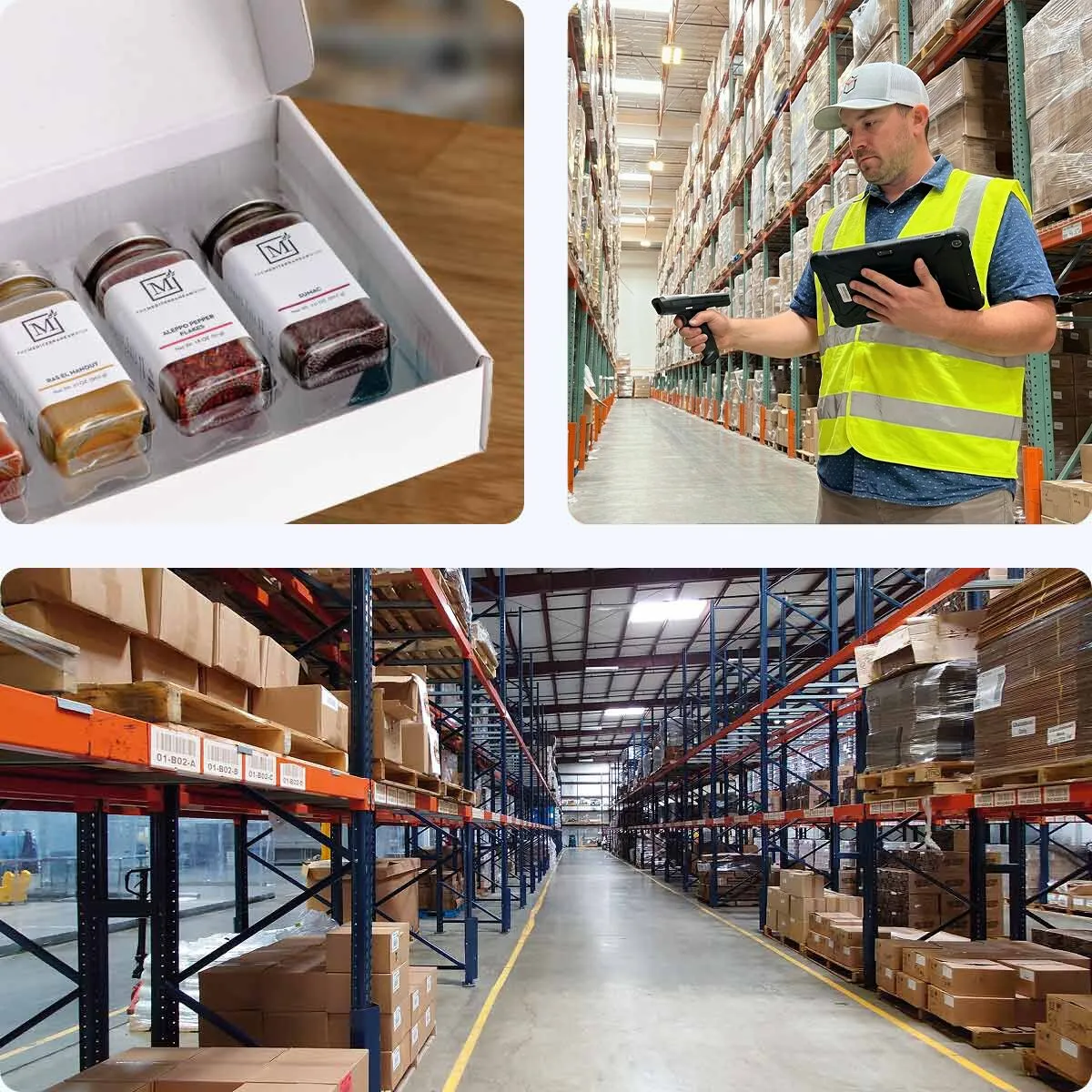
Technology and inventory management
OmniFlow is the standout feature of Flowspace.
The platform provides real-time inventory visibility across every warehouse node, demand forecasting, and automated restocking triggers.
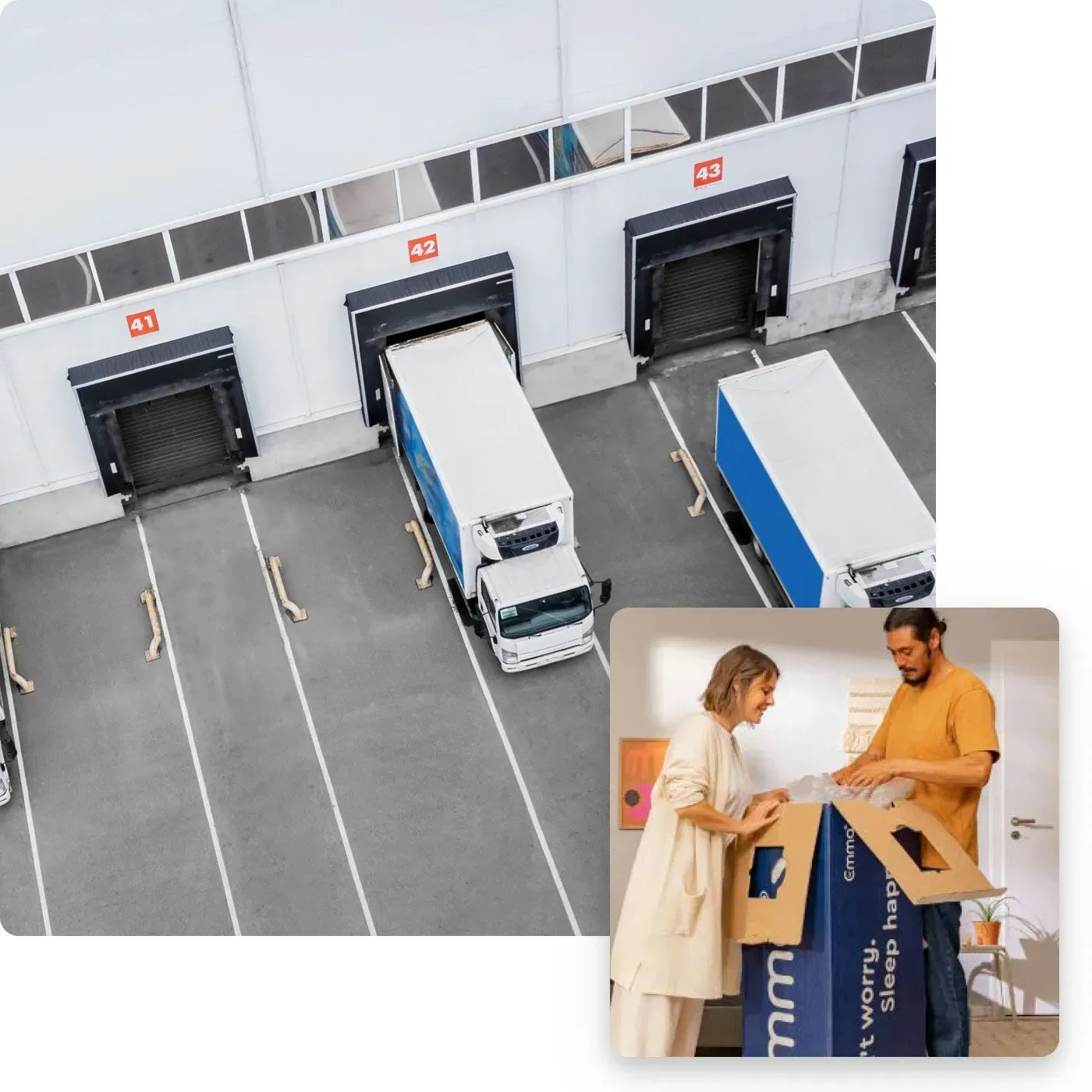
It connects with Shopify, Amazon, TikTok, Walmart, and other major marketplaces.
The analytics dashboard tracks fulfillment speed, cost per order, and inventory levels across your entire network.
On-site support
You won't have on-site staff in the traditional sense since you don't have your own space.
You'll get an assigned account manager and access to Flowspace's support team, but nobody is physically managing your products outside of standard fulfillment operations.
Flowspace is best suited if:
✅ You want to fully outsource fulfillment and not think about warehouse management.
✅ You need multi-location distribution across the U.S. to cut delivery times
✅ Your brand ships enough volume to benefit from spreading inventory across regions.
✅ You value a tech-first approach with real-time data on every order.
Flowspace may not be ideal if:
❌ You're an early-stage brand with lower order volume.
❌ You want month-to-month flexibility without contract commitments.
FedEx Fulfillment's facilities and services
FedEx Fulfillment gives you access to FedEx's own logistics backbone for warehousing and order processing.
Unlike Flowspace's distributed partner model, FedEx runs its fulfillment from a handful of company-operated centers equipped with robotics and AI-powered logistics tools.
Think of it as outsourcing your fulfillment directly to one of the largest shipping companies on the planet.
From our experience, that comes with advantages in carrier access and infrastructure, but also some rigidity around how things get done.
Warehouse model and space
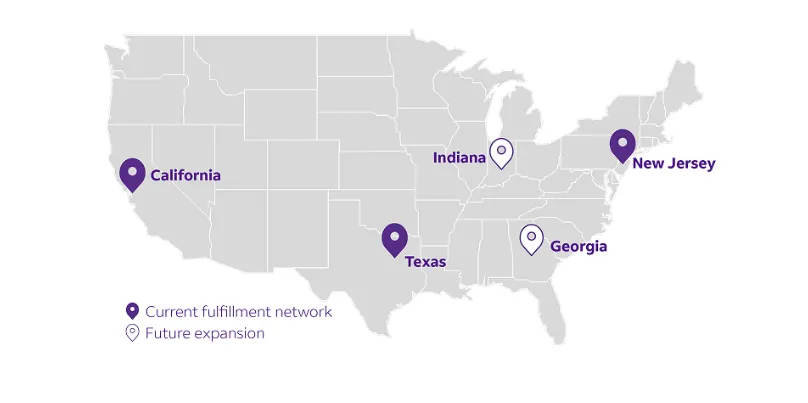
FedEx currently operates three fulfillment centers in California, Texas, and New Jersey, with plans for two more in Georgia and Indiana.
Your inventory goes into FedEx's secure grid system, managed by their team.
You don't get a private space. Your products are stored and managed by FedEx alongside other brands' inventory.
The setup is geared toward companies that ship thousands of orders per month, not someone moving 50 packages a week.
Fulfillment capabilities
FedEx handles picking, packing, and shipping end-to-end. They perform quality control checks when your inventory arrives, store it in their grid, and fulfill orders as they come in.
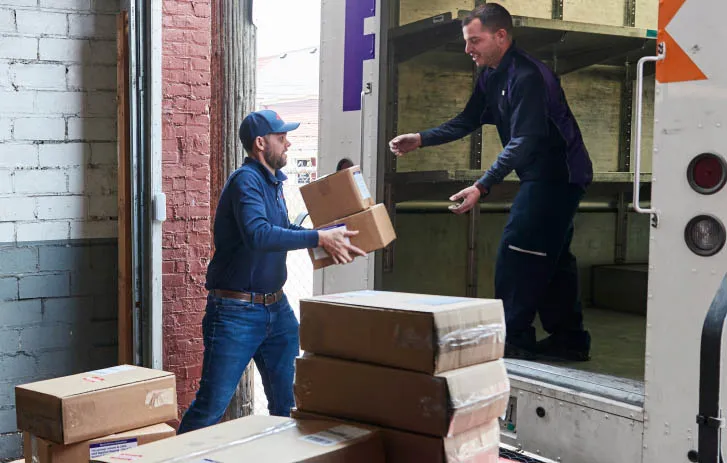
Returns processing is included. They also support custom and branded packaging, which is a nice touch for DTC brands that care about the unboxing experience.
Shipping and logistics
This is where FedEx's size becomes an asset.
Their fulfillment network can reach 96% of the U.S. population within two days using standard shipping.
And you're not locked into FedEx as your only carrier.
The service offers multi-carrier flexibility with transparent rate comparisons, so you can ship with whichever carrier gives you the best balance of speed and cost for each order.
Technology and inventory management
FedEx brings a proprietary cloud-based logistics platform with AI-driven tools designed to reduce errors and support inventory decisions.
The system connects with major ecommerce platforms like Shopify, Magento, and WooCommerce.
It's built around 24/7/365 automation, powered in large part by multipurpose warehouse robots.
For data-minded operators, the platform provides performance analytics and confidence ratings across carriers.
On-site support
From what I’ve read online, it works this way: a FedEx Fulfillment sales rep works with you during onboarding to understand your business and connect your tech stack.

After that, your day-to-day interactions happen through account management.
FedEx Fulfillment is best suited if
✅ You're an established brand shipping thousands of orders every month
✅ You want fulfillment backed by FedEx's carrier network and 2-day delivery reach
✅ You sell apparel, health and beauty, nutraceuticals, footwear, or consumer packaged goods.
✅ You value robotics-driven automation and AI-powered logistics.
FedEx Fulfillment may not be ideal if:
❌ You're a smaller DTC brand without high order volumes.
❌ You want hands-on access to your inventory.
Saltbox's facilities and services
Saltbox works differently from both Flowspace and FedEx Fulfillment.
Instead of sending your inventory to a third-party warehouse where someone else manages it, you get your own private warehouse suite with logistics support built into the space.
You keep direct access to your products. You control how things are organized.
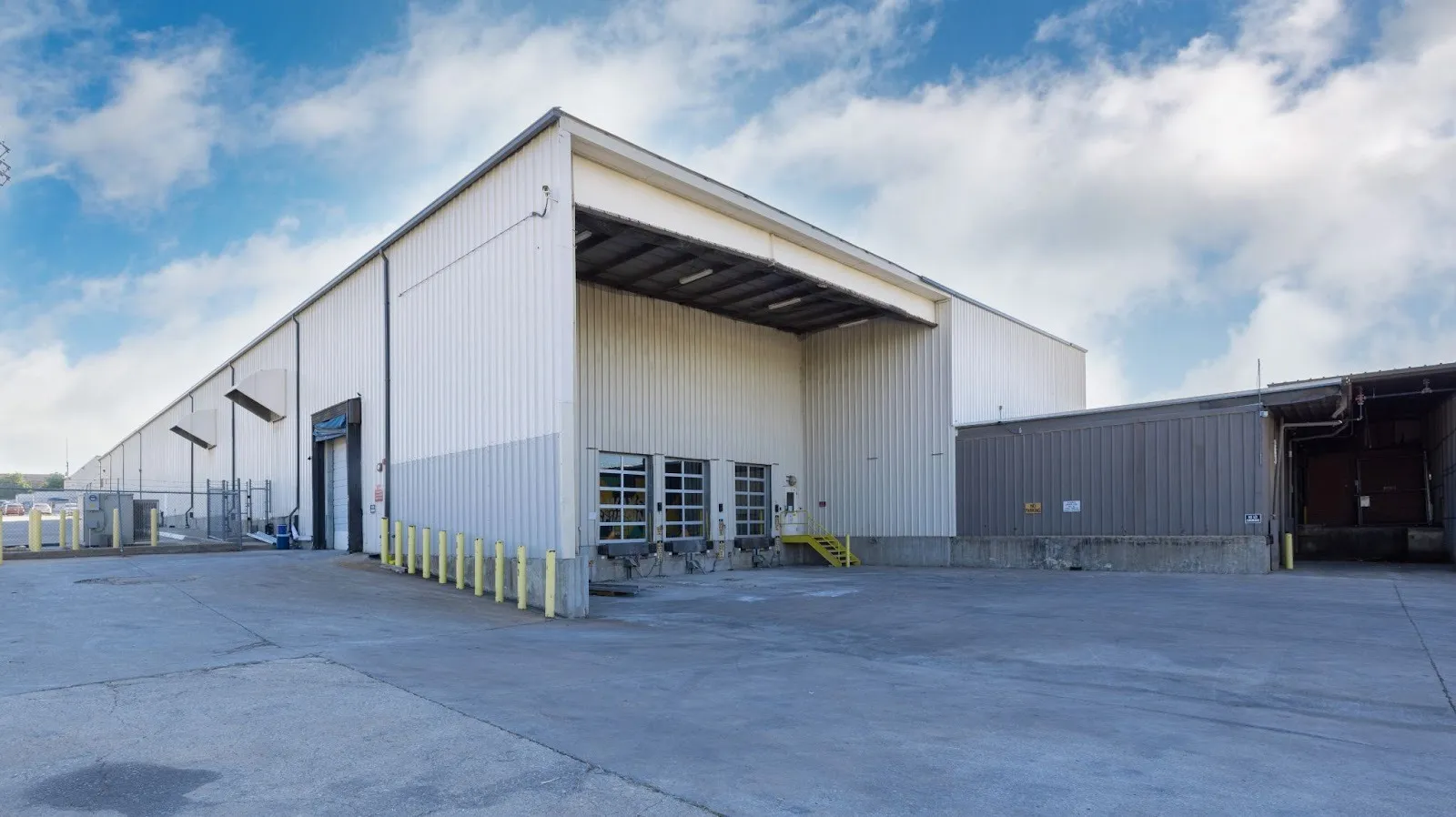
And you can choose exactly how much fulfillment help you want, from doing everything yourself to having Saltbox's team handle pick-and-pack in your suite.
That's the core difference. Neither Flowspace nor FedEx Fulfillment gives you the level of physical control over your space that Saltbox, our co-warehousing solution, does.
Warehouse model and space
Saltbox's facilities are purpose-built for ecommerce operators.
You'll get a private, lockable warehouse suite ranging from 70 to 5,000 sq. ft., with 24/7 access, loading dock use, and shared amenities like conference rooms, content studios, and a fully equipped kitchen.
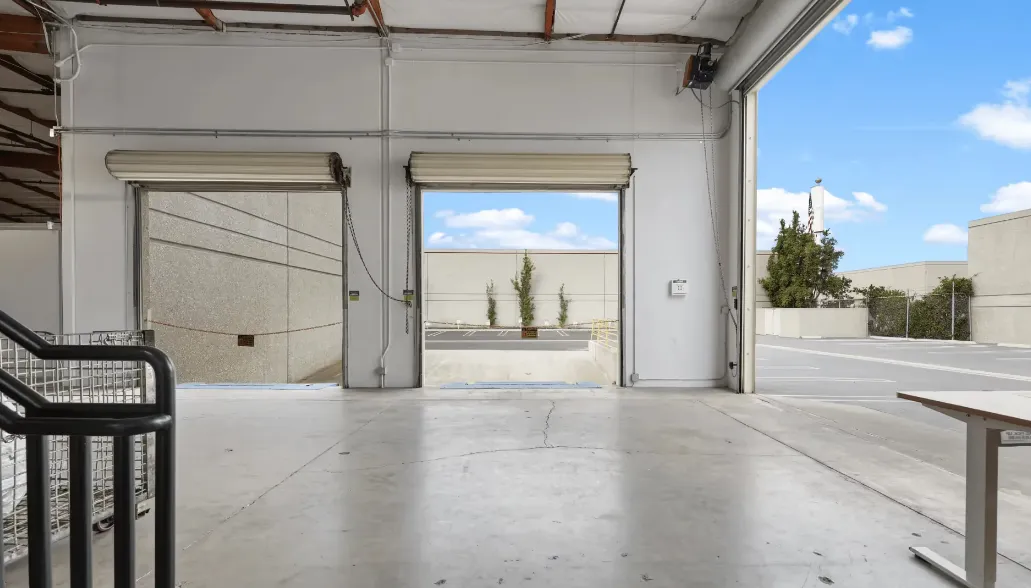
Here are the four primary size options:
- Small: 70 to 250 sq. ft., fits 1-2 employees and 4 to 15 pallets. Great for solopreneurs or small teams getting started.
- Medium: 250 to 500 sq. ft., fits 1-4 employees and 16 to 31 pallets. A solid fit for brands planning to scale.
- Large: 500 to 1,000 sq. ft., fits 1-10 employees and 32 to 62 pallets. Built for growing teams with increasing inventory.
- Extra large: 1,000 to 5,000 sq. ft., fits up to 50 employees and 63 to 125 pallets. Designed for larger DTC operations.
Unlike Flowspace, where your products sit in someone else's shared warehouse, or FedEx Fulfillment, where you can't visit your inventory, Saltbox lets you walk into your space anytime.
Our team can advise you on the size space you need when you come in for a tour or book a call with us. You can also take a quiz after selecting your location.
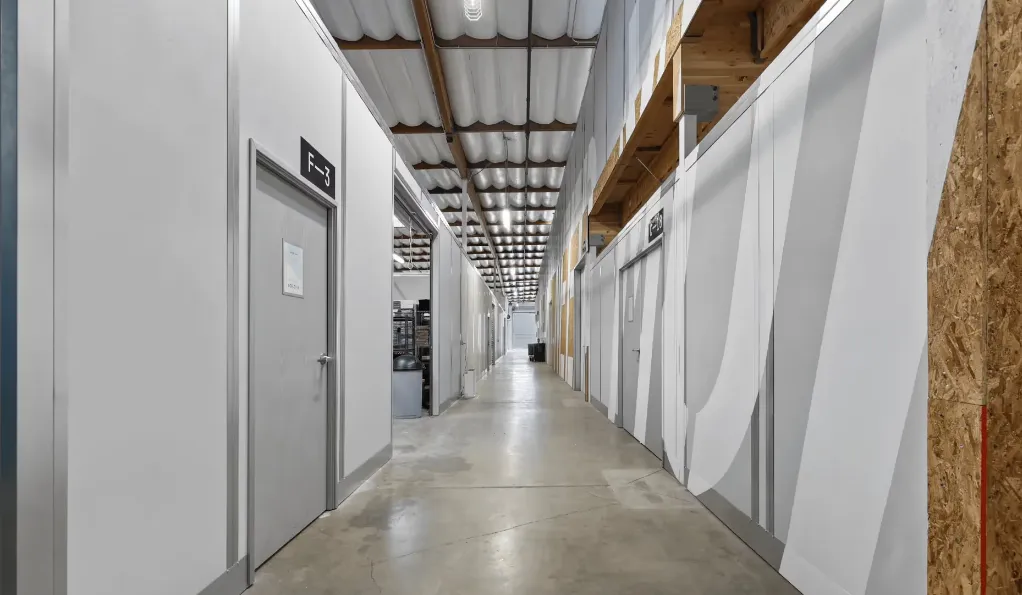
You can start small and expand as your business grows, or scale down if you need to. No penalties.

Are you not ready to move into a warehouse space, yet?
Saltbox Access Plans provide a mailing address, receiving services, discounted rates, on-site labor, and an entrepreneurial network without a warehouse lease.
Explore Access PlansFulfillment capabilities
Saltbox offers a flexible operations model that you can adjust based on how involved you want to be:
- Self-service: You handle all your own picking, packing, and shipping. You just use the space and infrastructure.
- Assisted fulfillment: Saltbox staff handles pick-and-pack directly in your suite. Useful during busy periods or when you want to step back from daily operations.
- Saltbox Operations Support: On-demand labor starting from $45/hour. Need hands for FBA prep, kitting, inventory counts, or a sudden spike after a TV appearance? You can get help without hiring externally.

➡️ One of our members, Shinery, had 1,500 orders flooding in and 24 hours to pick, pack, and ship after being featured on Good Morning America, using Saltbox's elastic workforce and Parsel shipping to handle the surge.
That's the kind of flexibility that a traditional 3PL can't match.
With Flowspace or FedEx Fulfillment, you'd have to hope their system can absorb a sudden spike.
With Saltbox, you bring in extra hands and manage it from your own space.
Shipping and logistics
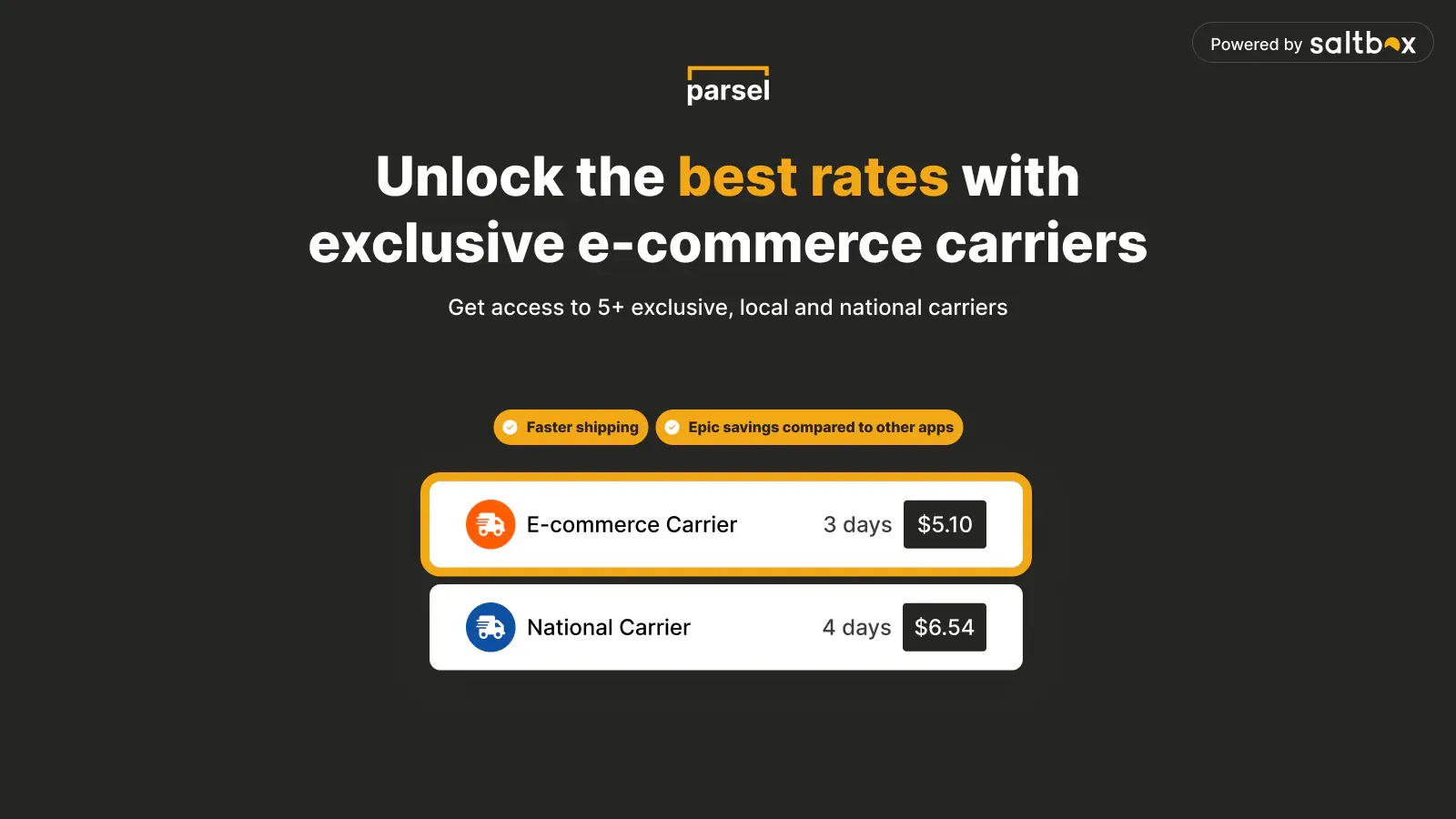
Saltbox members get access to Parsel, our shipping platform that connects you to negotiated carrier rates with USPS, UPS, FedEx, and regional carriers.
For example, one of our members cut their shipping costs by 60% after switching to Parsel.
You can ship orders as late as 4:30 PM, compare rates across carriers in real time, and track everything from one dashboard.
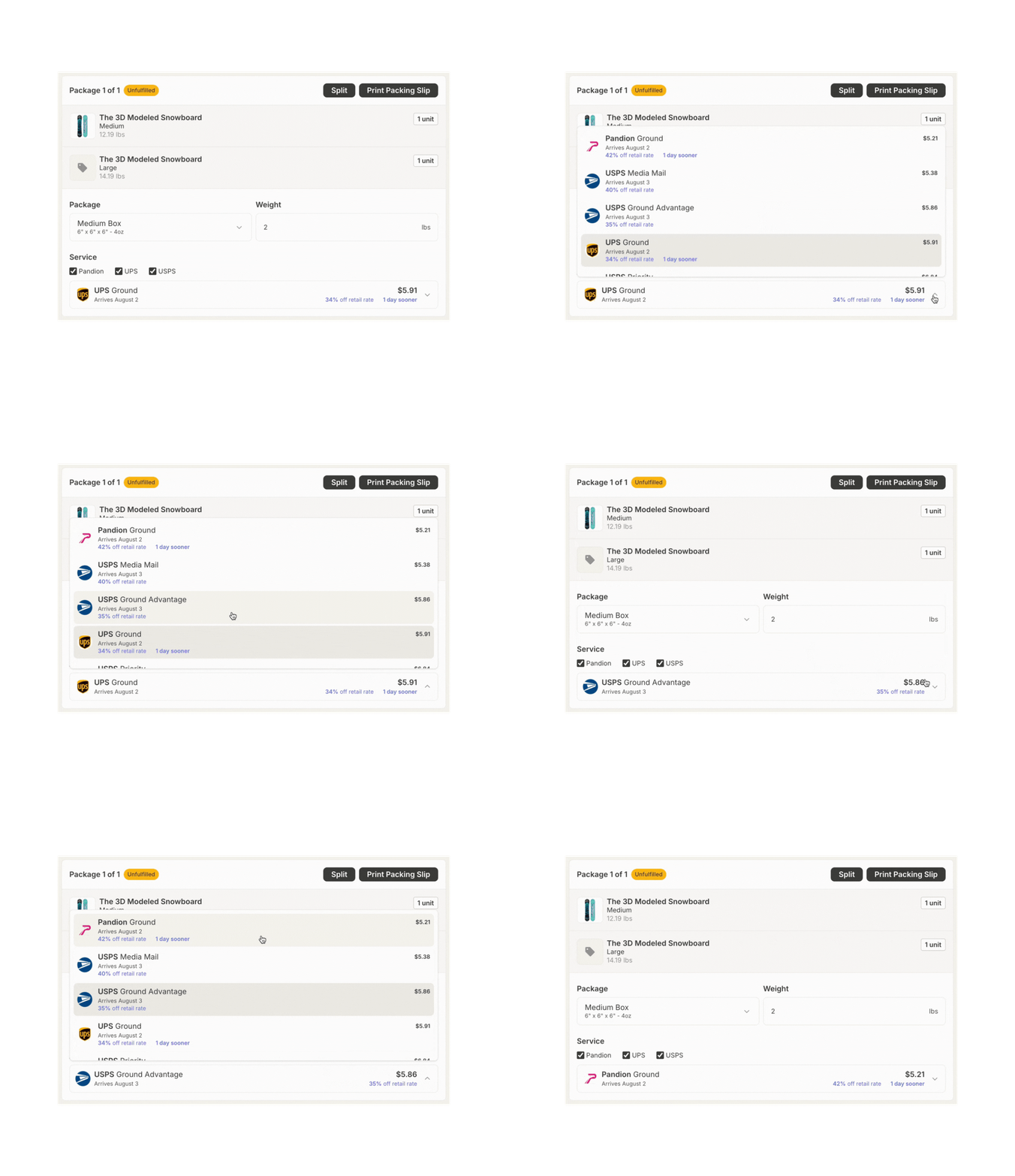
Want to try Parsel? Sign up here.
Daily carrier pickups happen on-site, so you never have to haul packages to the post office.
Unlike FedEx Fulfillment, where you're working within FedEx's carrier ecosystem, Parsel lets you shop across all major and regional carriers for the best rate on every single shipment.
Technology and inventory management
Saltbox members use our proprietary shipping and logistics partner platform, Parsel, to manage fulfillment operations.
Parsel integrates directly with Shopify and supports core shipping workflows, including batch order processing, label printing, discounted carrier rates, and real-time shipment tracking.
Inventory visibility and order data are centralized within the Saltbox ecosystem, with additional marketplace connections supported through third-party tools or integrations as applicable.
On-site support
This is where Saltbox stands apart from both competitors.
Every Saltbox location has an on-site community management team that knows your name and your business.
Staff oversees mail, inventory deliveries, and package pickups, so you're not sitting around waiting for freight to arrive.
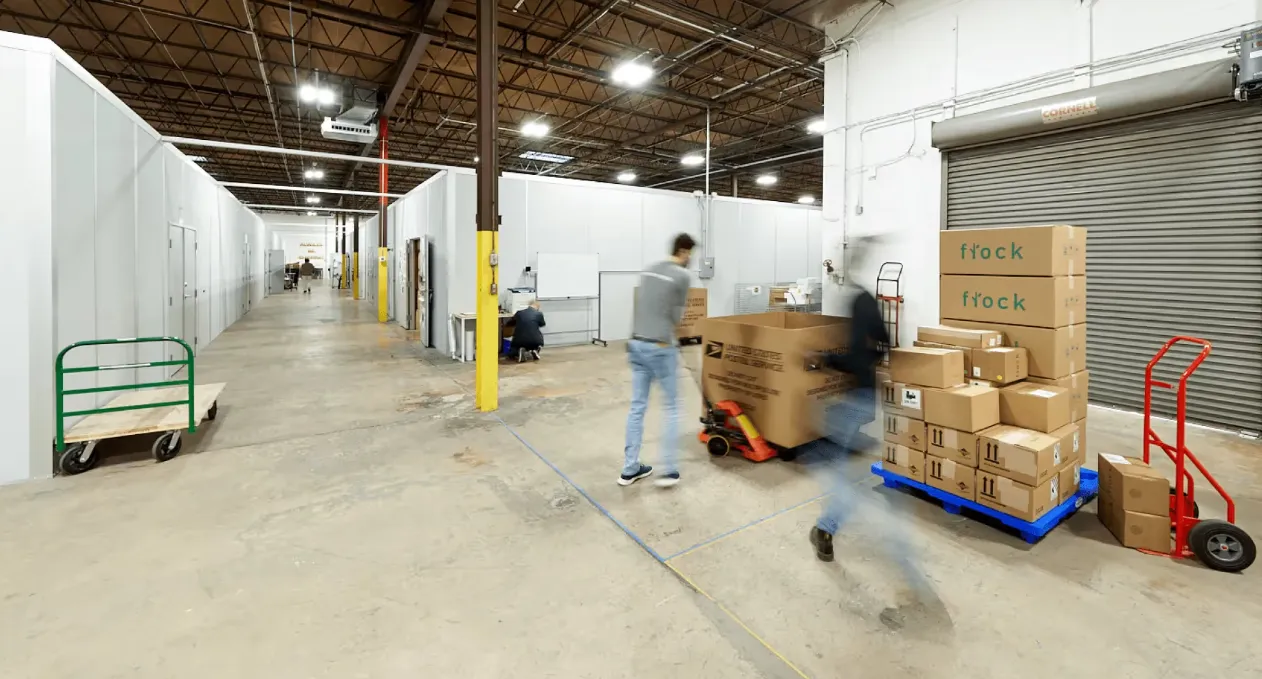
They accept shipments while you're away.
You also get access to the Upstream Entrepreneurs Club, a members-only community of other DTC founders.
It's not just a warehouse. It's a place where you work alongside other ecommerce operators facing the same challenges you are.
Saltbox is best suited if:
✅ You prefer month-to-month flexibility with no long commitments.
✅ You want physical access to your inventory and control over your space.
✅ You want to get discounted shipping rates through Parsel that most small brands can't get independently.
✅ On-demand labor for packing, kitting, and inbounding without hiring employees is important to you.
Saltbox may not be ideal if:
❌ You need international fulfillment outside the U.S.
❌ You consistently ship more than 20,000 orders per month and need a much larger dedicated facility.
Locations: Flowspace vs. FedEx Fulfillment vs. Saltbox
Flowspace's locations
Flowspace claims the largest footprint of the three, operating a distributed network of over 150 fulfillment centers spread across the U.S. and parts of Canada.
But here's the catch:
Flowspace doesn't own these warehouses.
They partner with third-party facilities, so the quality and experience can vary from one node to another.
You don't choose which location your inventory goes to. The platform assigns it based on shipping zone coverage.
Key fulfillment hubs include areas around Los Angeles, Chicago, Dallas, and Atlanta, and the network connects with major retail channels.
FedEx Fulfillment's locations
FedEx Fulfillment runs a much smaller network.
They currently have three fulfillment centers located in California, Texas, and New Jersey, with two more facilities planned for Georgia and Indiana.
However, the existing network already covers 96% of the U.S. population with 2-day standard shipping, which is impressive for just three locations.
FedEx's ecommerce integrations include Shopify, Magento, WooCommerce, and connections to major marketplaces.
According to insider information, there is a 400 minimum monthly order requirement for FedEx Fulfillment, although I wasn’t able to verify this claim. It may be outdated.
Saltbox's locations
Saltbox operates its own purpose-built facilities in 11+ locations across major U.S. metro areas on the West Coast, the East Coast, and in the Central U.S.
Every space is designed specifically for ecommerce brands, with loading docks, shared amenities, and community areas.
Current locations include:
- Los Angeles, CA (San Gabriel Valley and Torrance)
- Phoenix, AZ (Tempe)
- Seattle, WA (SoDo Row)
- Denver, CO (Park Hill)
- Dallas, TX (Carrollton and Farmers Branch)
- Atlanta, GA (Upper Westside and Westside Park)
- Washington D.C. area (Alexandria, VA)
- Miami, FL (Doral)
Our locations are placed near major highways and shipping hubs to keep transit times low.
Interested in one of our facilities?
You can book a tour to see it alongside our logistics experts. Available Mon-Fri, 8:30 AM-4:30 PM Central Time.
Book a TourPricing: Flowspace vs. FedEx Fulfillment vs. Saltbox
Flowspace pricing
Flowspace doesn't publish pricing. Every quote is custom and is allegedly based on your SKU count, order volume, storage needs, and how complex your fulfillment is.
You'll need to talk to their sales team to get numbers. Based on industry benchmarks and similar companies, you can expect costs across these categories:
- Storage fees charged per pallet or per cubic foot on a monthly basis.
- Pick and pack fees charged per order, with additional surcharges per item.
- Shipping fees passed through at Flowspace's negotiated carrier rates.
- Possible minimum volume requirements depending on your deal.
Flowspace generally requires a contract commitment, though the specific terms vary by agreement.
And something I found worth flagging: multiple Trustpilot reviewers mentioned unexpected price increases without prior notice.
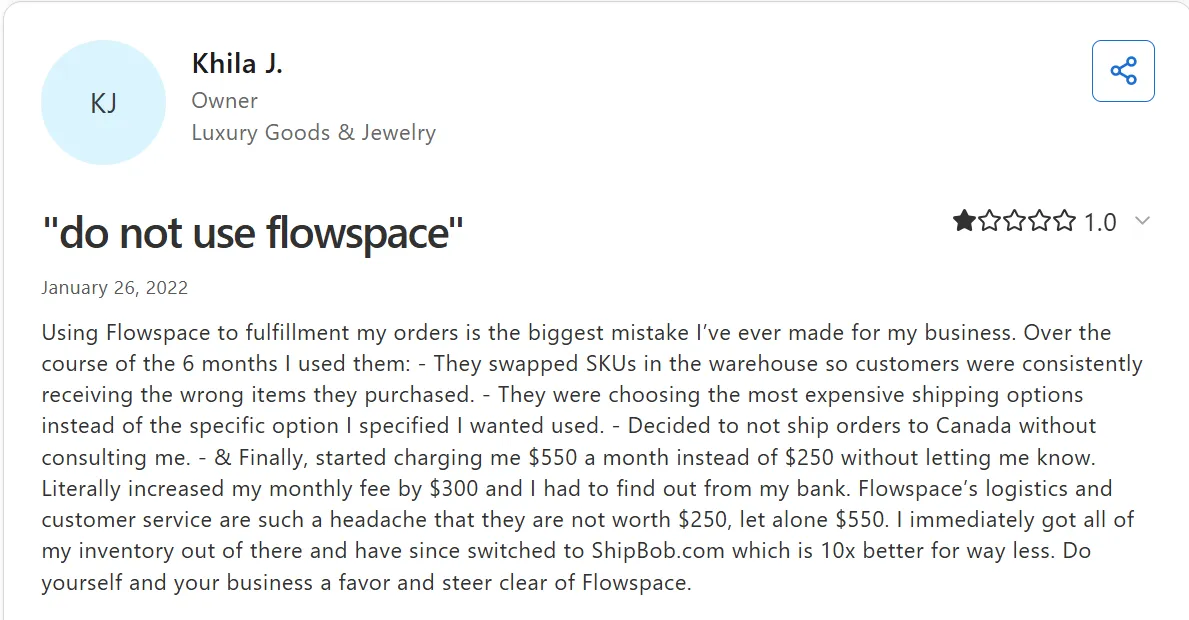
'Started charging me $550 a month instead of $250 without letting me know. Literally increased my monthly fee by $300, and I had to find out from my bank.' - Capterra review.
FedEx Fulfillment pricing
FedEx Fulfillment also keeps its pricing behind closed doors.
Its is focuses on a, "pay-as-you-go" model that combines warehousing, picking, packing, and transportation, rather than fixed public rates.
Its costs are allegedly determined by inventory volume, order volume, and specific services, such as inbound receiving.
According to Speed Commerce, FedEx Fulfillment’s pricing includes:
- Storage Fees - $0.19 per cubic foot.
- Pick and Pack Fees - $0.40 per unit, including materials and labor.
- Returns Processing - $2.50 per return order.
I was not able to independently verify this information. It may be outdated.
Saltbox pricing
To calculate your final Saltbox pricing, you have to first select your membership tier, then choose your warehouse size (optional), and then select your office (also optional).
Saltbox has 3 membership tiers that you can choose from:
- Virtual: $99/month, which is a 100% virtual membership for businesses that need a professional business mailing address (mail only, no packages), and access to our members-only Upstream Entrepreneurs Club community.
- Access: Starting from $199/month, which adds access to our physical locations, including the loading dock and packing stations, meeting rooms, and a content creation studio, without having to commit to a full-time warehouse lease.
- Warehouse: Custom pricing, which includes flexible warehouse and office suites built for ecommerce entrepreneurs, with shipping technology, onsite logistics support, and modern amenities.
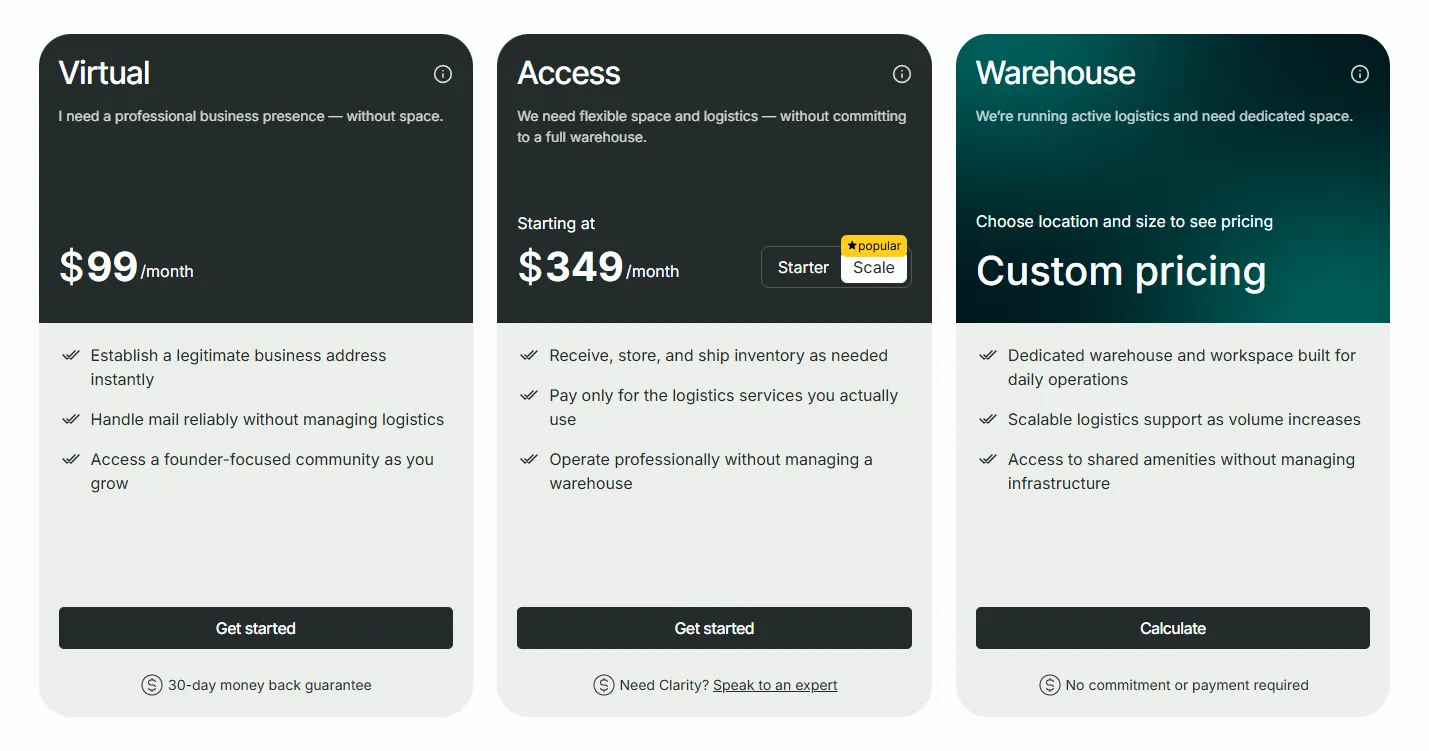
From here, you can select your warehouse size, as pricing varies by city. Let's take a look at Phoenix's pricing, for example:
- Small Warehouse: Starting at $1,545/month for 1-2 employees, 70 to 250 sq. ft., and can accommodate 4 to 15 pallets.
- Medium Warehouse: Starting at $2,446/month for 1-4 employees, 250 to 500 sq. ft., and can accommodate 16 to 31 pallets.
- Large Warehouse: Starting at $4,325/month for 1-10 employees, 500 to 1,000 sq. ft., and can accommodate 32 to 62 pallets.
- Extra Large Warehouse: Starting at $7,210/month for 1-50 employees, 1,000 to 5,000+ sq. ft., and can accommodate 63 to 125 pallets.
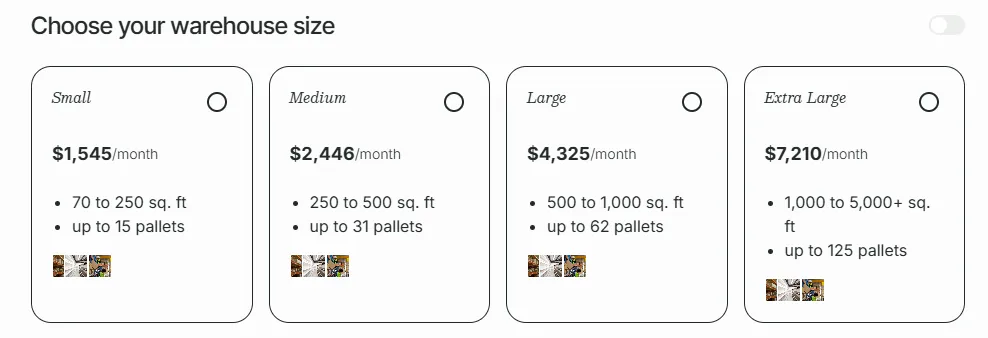
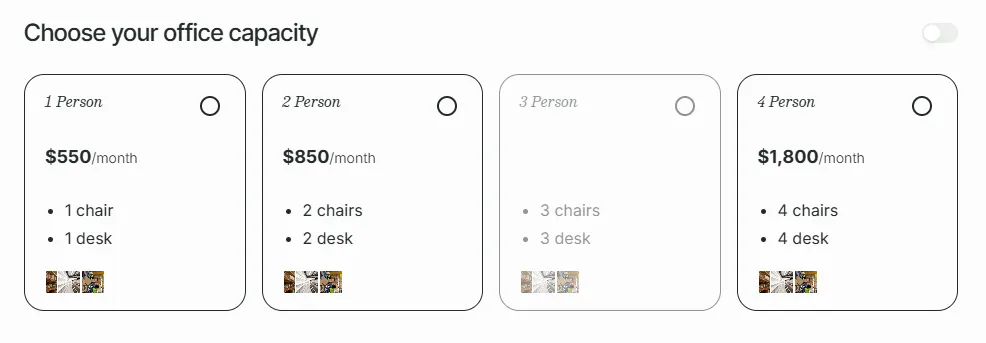
Last but not least, you'll need to select your office size, which also comes with regional pricing. Here's Phoenix’s pricing:
- 1-person office: $550/month for 1 chair and 1 desk.
- 2-person office: $850/month for 2 chairs and 2 desks.
- 3-person office: Not available at the moment, but has 3 chairs and 3 desks.
- 4-person office: $1,800/month for 4 chairs and 4 desks.
➡️ Unlike with some other options on the market, you will not be locked into an annual contract, as you can pay monthly.
However, you can save 10% by paying annually, or save 5% when paying biannually.
What are members saying about Flowspace, FedEx Fulfillment, and Saltbox?
- Flowspace members love their account managers but worry about surprise price hikes and SKU mix-ups.
- FedEx Logistics are happy with its reliability and transparency, though reviewers flag price creep after contracts are signed and high rep turnover.
- Saltbox gets strong marks for its community, flexibility, and on-site staff, though some members note that it can be more expensive than other options on the market.
Flowspace reviews
Trustpilot rating: 4.2/5 (263 reviews).
What members love:
- Responsive, individually named account managers who go above and beyond.
- A member-friendly platform with strong Shopify integration and real-time data.
- Smooth onboarding and flexible options for startups entering the 3PL space.
- Nationwide warehouse coverage across major metros like LA, Chicago, Dallas, and Atlanta.
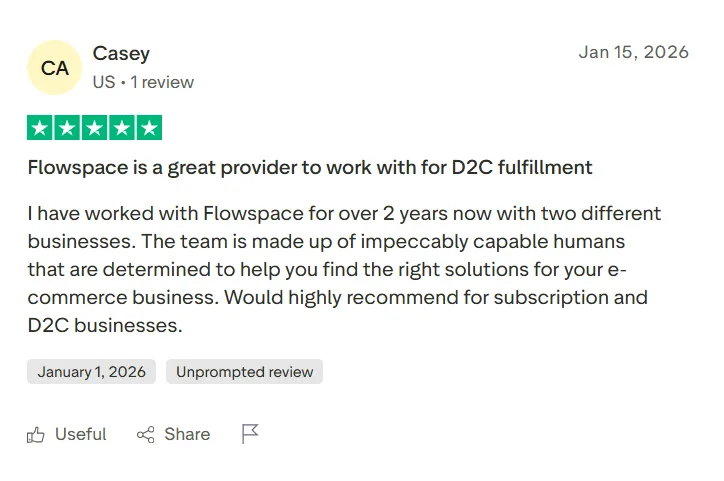
"I have worked with Flowspace for over 2 years now with two different businesses. The team is made up of impeccably capable humans that are determined to help you find the right solutions for your e-commerce business." - Trustpilot Review
Common complaints:
- Unexpected price increases without notice, with some reviewers reporting hikes of more than 100%.
- SKU mix-ups leading to customers receiving the wrong items.
- Inconsistent quality across different outsourced warehouse partners.
- Billing discrepancies and difficulties reaching support by phone.
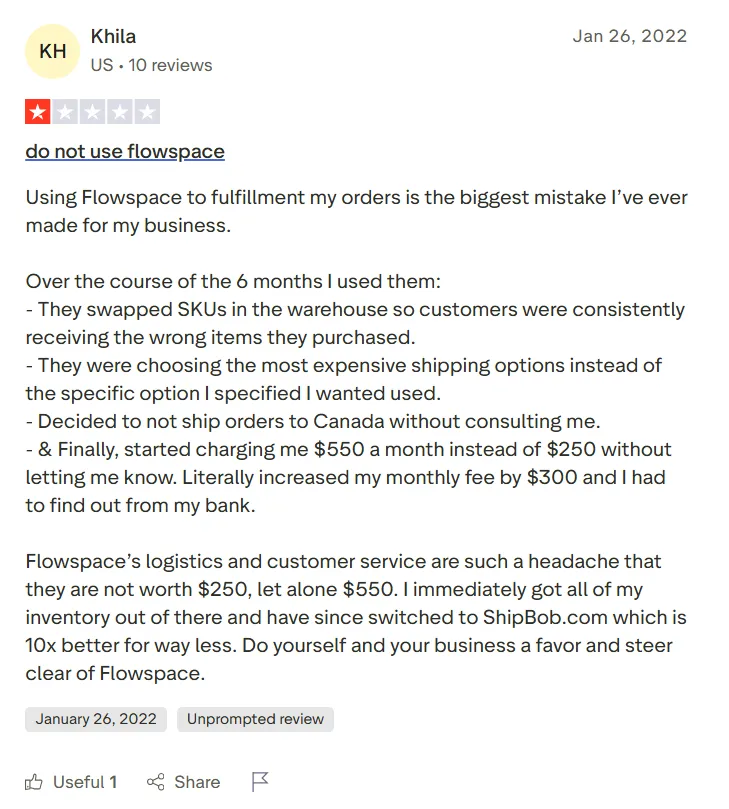
"They swapped SKUs in the warehouse so customers were consistently receiving the wrong items. They were choosing the most expensive shipping options instead of the specific option I specified I wanted used." - Trustpilot Review
FedEx Fulfillment reviews
Gartner Peer Insights rating: 4.1/5 (68 ratings).
What members appreciate:
- Reliable delivery timelines and a global shipping network that enables fast expansion.
- How easy it is to send shipments around the world.
- The sales and account teams are generally described as supportive and available during onboarding.
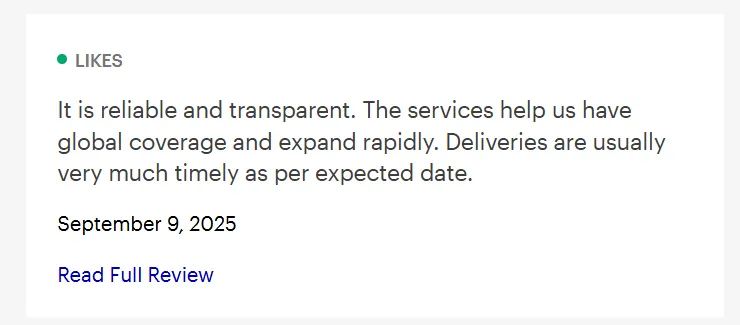
"It is reliable and transparent. The services help us have global coverage and expand rapidly." - Gartner Peer Insights
Common complaints:
- Price creep after the initial contract is signed, with reviewers noting that FedEx tends to "low-ball initially to win business."
- A preference for long-term contracts that reduce flexibility.
- How real-time tracking information, especially in areas outside the United States, may be lacking or incomplete.
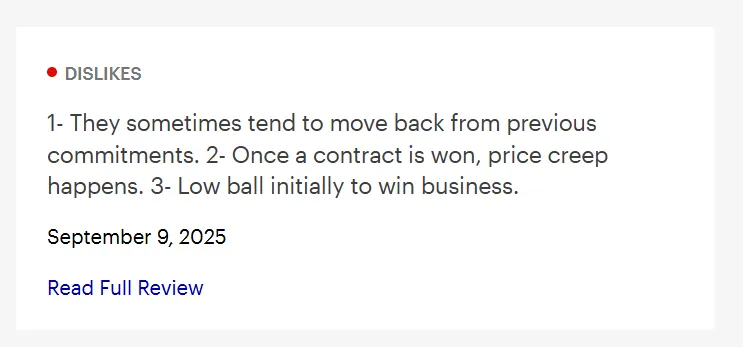
"They sometimes tend to move back from previous commitments. Once a contract is won, price creep happens. Low ball initially to win business." - Gartner Peer Insights
It's also worth noting that most of these Gartner reviews cover FedEx Logistics broadly, not the specific ecommerce fulfillment service. On consumer-facing platforms like Trustpilot, Capterra, and G2, FedEx Fulfillment has almost no presence at all. That gap between enterprise reviews and zero consumer feedback is something to keep in mind if you're a growth-stage DTC brand doing your research.
Saltbox reviews
Google rating: 4.8/5 (across locations).
What members love:
- The community and networking opportunities with other ecommerce founders.
- Month-to-month flexibility and no long-term lease pressure.
- Responsive, helpful on-site staff who know your business.
- Built-in shipping support and daily carrier pickups.

"The best warehouse option for a founder. Landon and his team were very helpful throughout the entire process. I recommend Saltbox to any founder or small business owner seeking warehouse space." - Google Review
Common complaints:
- The places can be noisy if you're looking for a quiet space to work.
- More expensive than some of the other co-warehousing solutions on the market.
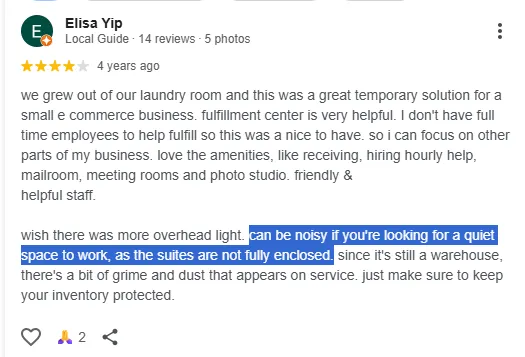
‘’Can be noisy if you're looking for a quiet space to work, as the suites are not fully enclosed.’’ – Google Review.
Get started with Saltbox today
Flowspace and FedEx Fulfillment both have real strengths worth recognizing.
Flowspace is a solid choice if you're ready to hand off fulfillment entirely and want inventory distributed across multiple warehouse locations.
FedEx Fulfillment makes sense if you're already embedded in FedEx's ecosystem and ship at serious volume.
But they share the same blind spots that hit growth-stage DTC brands the hardest:
Opaque pricing, contract requirements, and zero control over where your products sit or how they're handled.
You're trusting someone else with your inventory without being able to easily walk in and check on it.
Saltbox is built for a different kind of operator.
The kind that wants their own warehouse space without signing a 12-month lease.
The kind that needs fulfillment help but doesn't want to surrender their entire operation to a traditional 3PL.
And the kind that's tired of shipping costs eating into margins.
Here's what you get with Saltbox:
- Month-to-month warehouse suites with 24/7 access, starting from 70 sq. ft.
- Discounted shipping through Parsel with carriers that most small brands can't negotiate with on their own.
- On-demand labor for packing, inbounding, kitting, and inventory management, billed by the hour.
- A community of DTC founders building alongside you through the Upstream Entrepreneurs Club.
- No long-term commitment.
- The ability to scale up or down whenever your business needs change.
Book a tour at one of our facilities to see the space in person, or talk to an expert to figure out which plan fits your brand.