
.webp)


Key takeaways
- G3 Logistics and ODW Logistics carry the largest verified Chicago-area footprints in this guide, both geared to pallet volume moving through certified food-grade space.
- NorthPoint Fresh and Dynamic 3PL specialize differently, with NorthPoint Fresh covering refrigerated storage inside Chicago city limits and Dynamic 3PL adding clean-room packaging and bottling to its warehouse.
- Crane Worldwide Logistics and Arvato suit brands with import and export volume, since both run customs services alongside fulfillment.
- ShipBob, Shipfusion, and ShipCalm are the parcel-first ecommerce options, and two of the three publish an order-volume floor worth checking against your numbers.
- Red Stag Fulfillment argues the opposite case, that some Chicago brands are better served warehousing in Tennessee or Utah.
- Saltbox is the pick for brands that want out of the 3PL model altogether, with inventory and team inside space they control themselves.
Looking for the best 3PL companies in Chicago, IL to hold your inventory, pack your orders, and move freight through one of the country's major freight hubs?
In this guide, I'll go through 10 third-party logistics providers serving Chicago-area brands in 2026, what each one is actually built to handle, and where keeping fulfillment in your own suite makes more sense than outsourcing it.
What are the best 3PL companies in Chicago in 2026?
The best 3PL companies in Chicago in 2026 are G3 Logistics, ODW Logistics, and NorthPoint Fresh.
I've ordered the list by Chicago presence, starting with providers running warehouse operations in the metro and finishing with national networks that serve Chicago brands from facilities elsewhere.
Here's how the 10 compare:
#1: G3 Logistics
Best for: Beverage and packaged food companies that need rail-served, AIB certified food-grade storage in the Chicago market.
Locations: Bedford Park, IL, with warehouse space in at least 11 other U.S. markets.
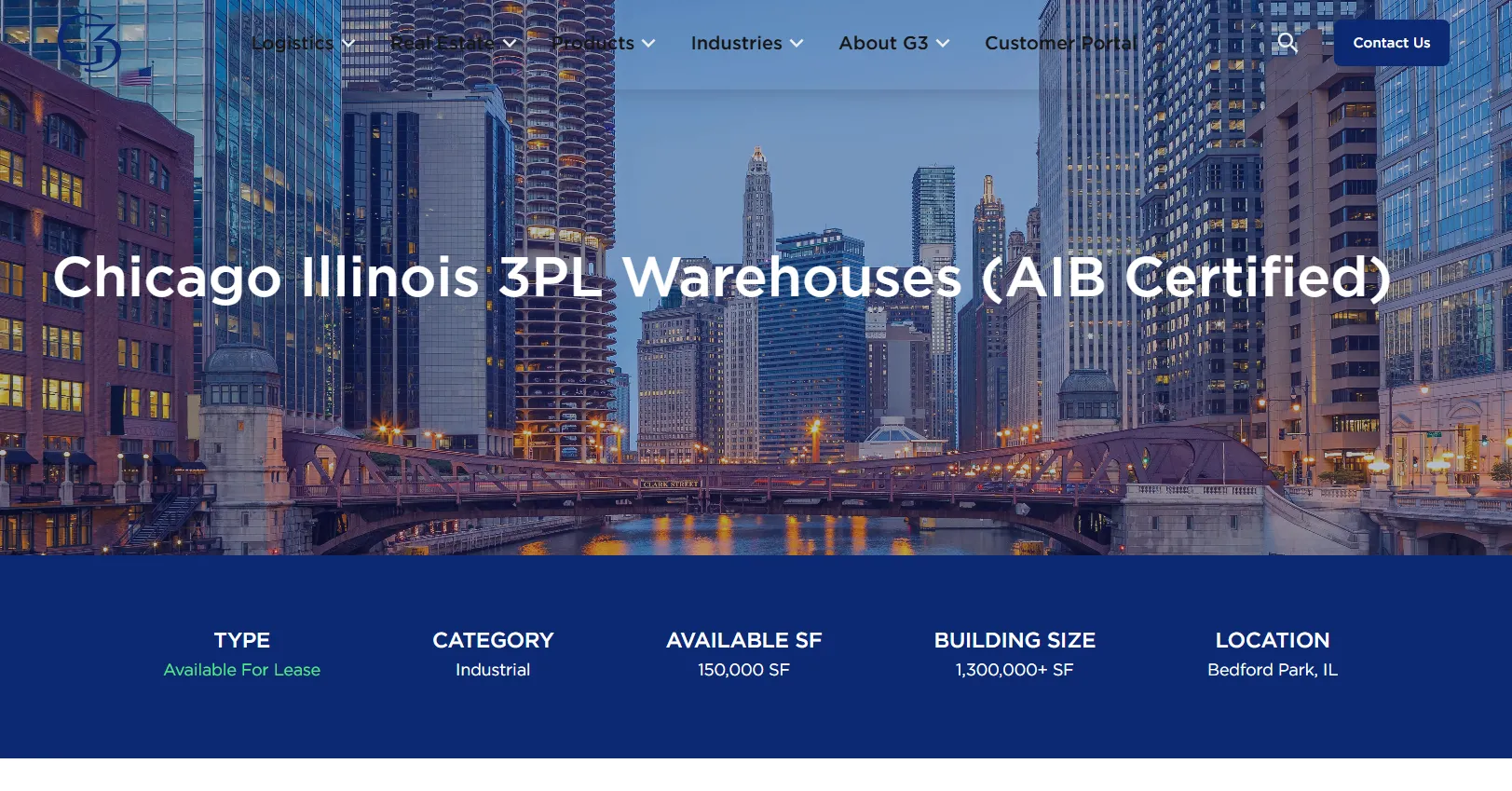
G3 Logistics runs a four-warehouse campus in Bedford Park, and the block currently on the market there is rail-served ambient food-grade space.
For brands whose freight arrives by rail, a position beside the CSX Bedford Park intermodal ramp shortens the inbound leg before storage even begins.
Amenities and benefits

- 150,000 sq. ft. available now, inside a campus adding up to 1.3 million sq. ft.
- 94 trailer positions, 28 loading docks, and 11 rail doors across a 19.5-acre site.
- AIB certification, covering sanitation and food safety verification, audit-tested operating procedures, and pest prevention controls, which matters for beer, wine, spirits, soft drinks, packaged food, dry dairy, syrup, and pet food.
Pricing
The Bedford Park block is listed for lease, so what you pay tracks how much of the 150,000 sq. ft. you take and which services get bolted onto it.
A complimentary supply chain analysis is on offer as the way in.
Pros and cons
✅ Rail service on site, next to a CSX intermodal ramp.
✅ AIB certified food-grade space with documented sanitation processes.
✅ Part of a 1.3 million sq. ft. campus, backed by 8.8 million sq. ft. of warehouse space nationwide.
❌ Pallet-scale operations are the target profile here, not small-parcel DTC.
❌ The published availability is a single 150,000 sq. ft. block, so a smaller brand has to ask whether it subdivides.
Saltbox offers the best alternative to 3PLs in Chicago for brands looking to switch from the 3PL model
Saltbox is the best alternative to a 3PL in Chicago for brands that want to keep inventory, packing, and their own team inside space they control.
The 3PL model asks you to hand your inventory to someone else, and for a growing brand, that trade starts to pinch.
Pricing gets built around volume you may not hit, and anything outside a standard pack gets reclassified as a special project.
Saltbox works the other way around.
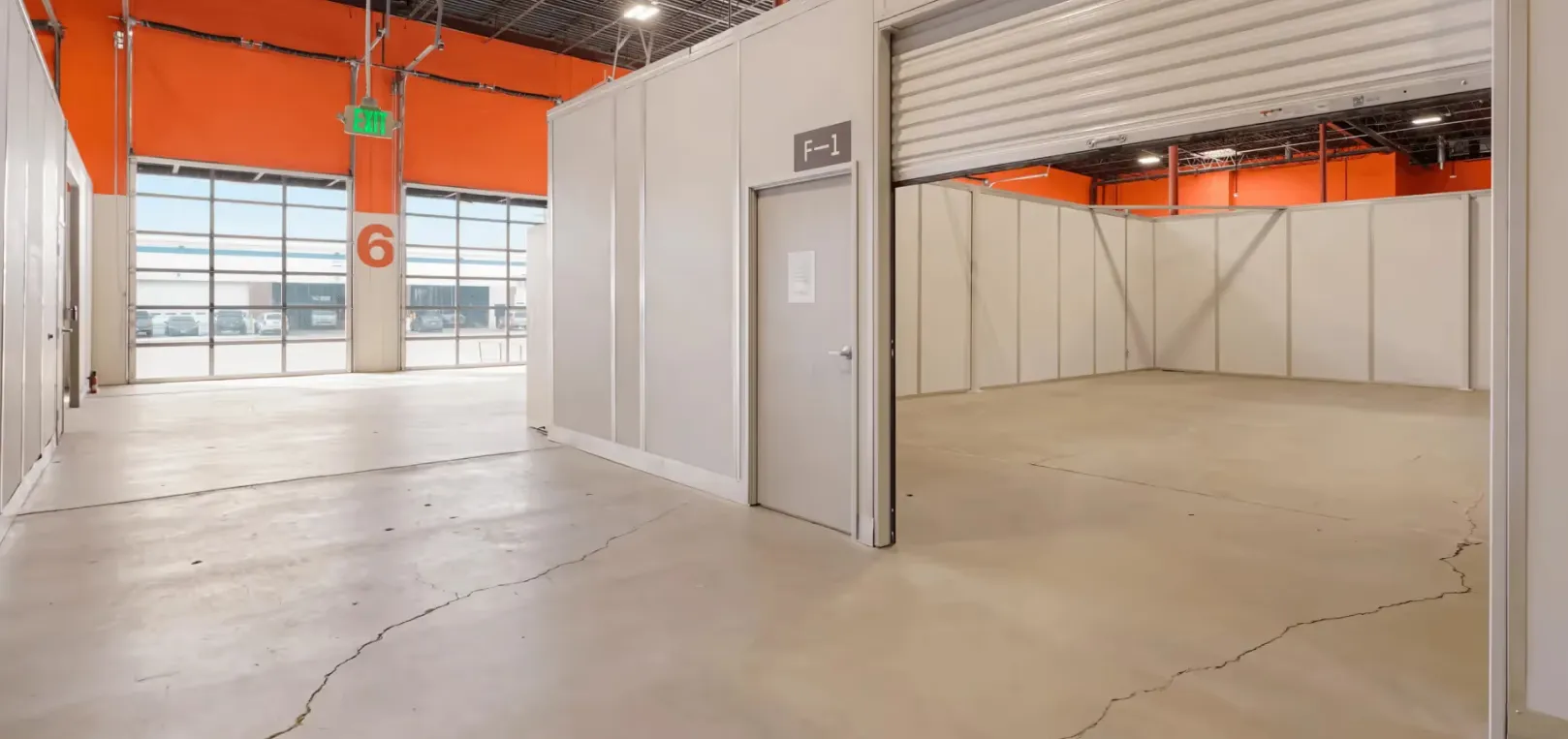
You take a private, lockable suite with walk-in access to your own stock, and you decide how much of the packing our on-site team picks up.
Pre-leasing is live now for our Elmhurst building at 934 N Church Rd, which opens in October 2026 with I-290 and I-294 on either side of it.
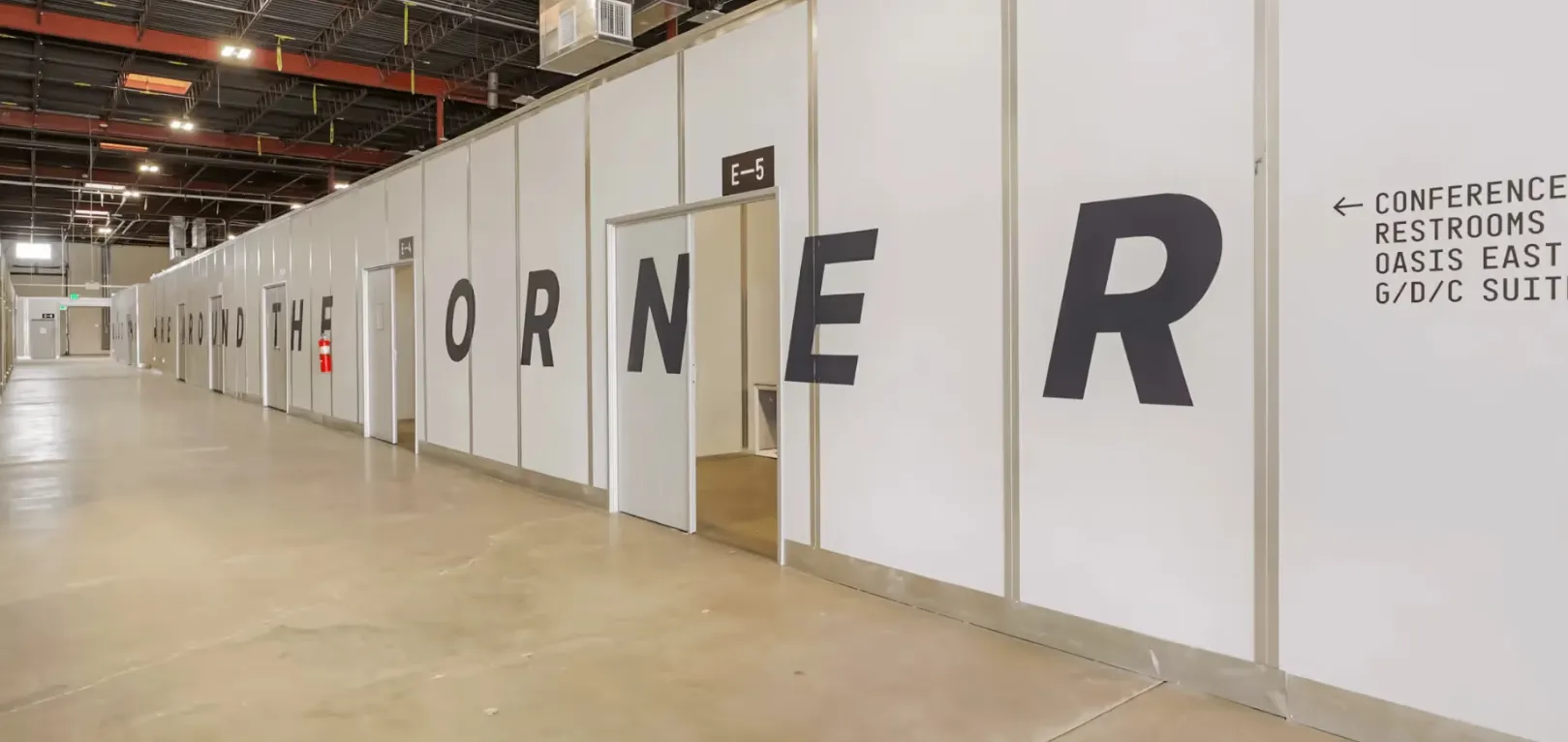
How does Saltbox compare to a 3PL?
What you get at Elmhurst
Here’s what you’ll be getting with our co-warehousing solution:
- Suites from 80 sq. ft. up to 1,810 sq. ft., holding 12 to 113 pallets.
- Loading docks, daily carrier pickups, and mail and package receiving.
- On-site staff you can hire by the hour for in-suite pick and pack, kitting, or a launch push.
- Discounted carrier rates through Parsel, with label pricing visible before the order ships.
- Conference rooms, a content studio, high-speed Wi-Fi, in-suite power, kitchen and community space, equipment, printing services, the Saltbox Entrepreneurs Club, working hours access, and 24/7 security.

Saltbox pricing in Chicago
Here’s how much it costs to get started with our Elmhurst location in Chicago:
- Scale plans from $349/month for a mailing address, receiving, dock access, and on-site services.
- Elmhurst warehouse suites from $900/month for a starter suite, $1,750/month for a small suite, $3,700/month for a medium suite, $6,200 for a large suite, and $9,000/month for an extra large suite.
- Offices from $1,500/month for a 3-person office and $2,250/month for a 4-person office.
- Add-ons: 24/7 access at $299/month, reserved parking from $199/month, additional member access at $99/month, and equipment and furnishing rentals month-to-month.
- You can pay on month-to-month terms, with 10% off when paying annually and 5% off when paying semi-annually.
Book a tour of the Elmhurst building, or start with Access Plans if a suite is more than you need yet.
#2: ODW Logistics
Best for: Food and beverage brands that need certified dry or frozen distribution in the Chicago metro, with a path into a dedicated building later.
Locations: 3 facilities in the Chicago area, part of a coast-to-coast network run from Columbus, Ohio.
Three ODW Logistics buildings serve the Chicago market, one dedicated facility in Melrose Park and two shared facilities in Romeoville, adding up to just over 700,000 sq. ft.
A brand that outgrows shared space can move into a dedicated operation without changing providers, which is a useful path when volume is climbing faster than expected.
Amenities and benefits
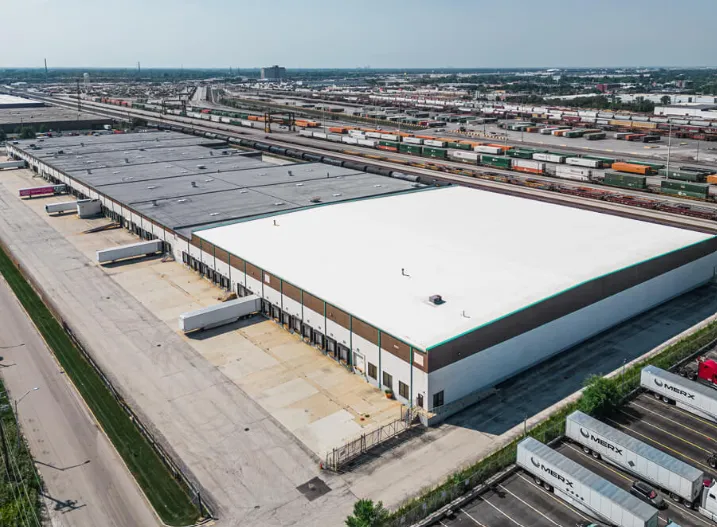
- Melrose Park runs 343,410 sq. ft. with 86 dock doors and 22-foot ceilings, AIB certified and FDA registered, operated as a dedicated facility.
- The two Romeoville buildings add 193,000 sq. ft. and 167,000 sq. ft. of shared space, carrying BRC, USDA, and CFIA certifications at one site and FDA certification at the other.
- Shared distribution covers both dry and frozen goods, so ambient and refrigerated inventory can move through the same provider.
Pricing
Shared space, dedicated space, and frozen against ambient all price differently here, and none of it appears on the website.
Expect a scoping call before you see a figure.
Pros and cons
✅ Over 700,000 sq. ft. across three Chicago-area buildings.
✅ Frozen and dry distribution from one provider.
✅ AIB, BRC, USDA, and CFIA credentials across the three sites, each also carrying an FDA status.
❌ An exclusive building means starting at Melrose Park scale, since both Romeoville sites are shared.
❌ Dedicated space assumes established, predictable volume, which early-stage brands rarely have.
#3: NorthPoint Fresh
Best for: CPG food brands and importers that need ambient, food-grade, and refrigerated storage inside Chicago city limits.
Locations: 1 facility on East 118th Street in Chicago, IL.
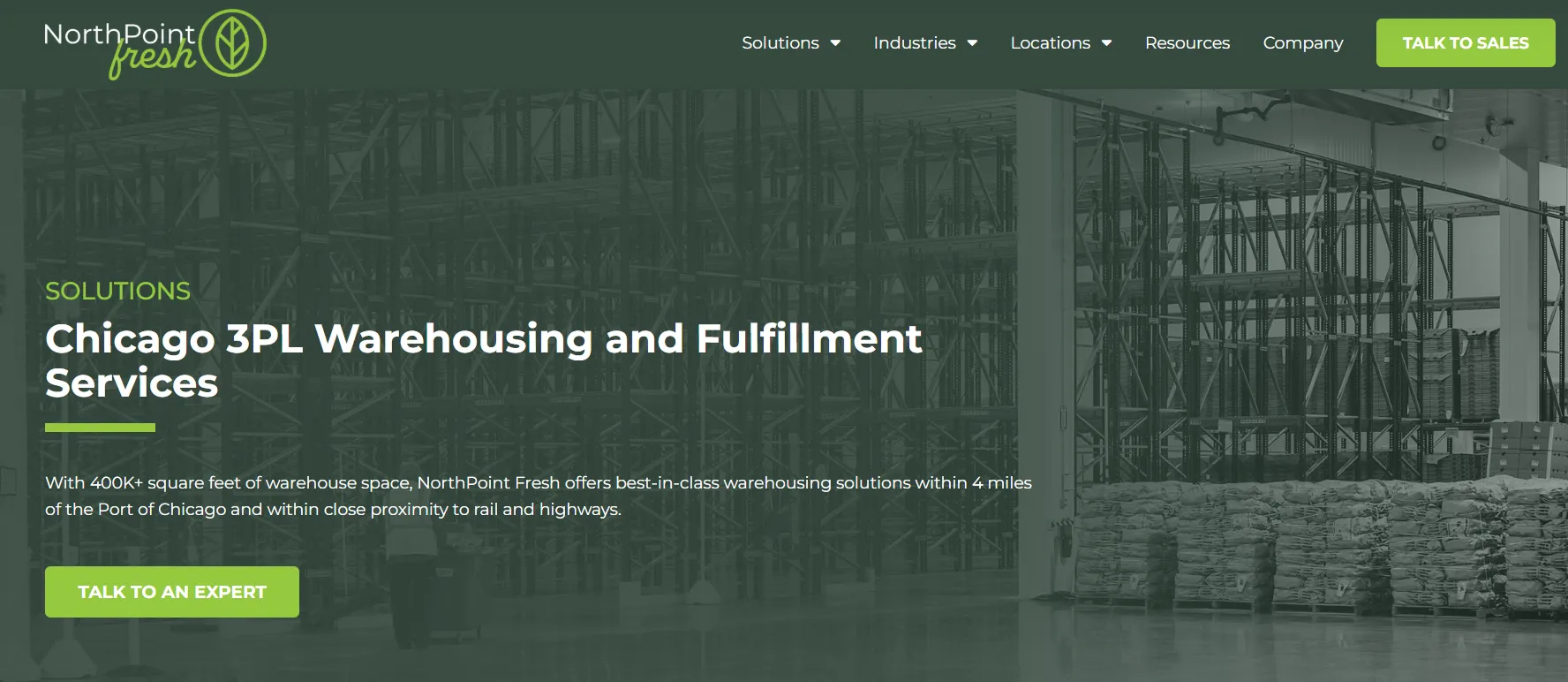
NorthPoint Fresh keeps ambient, food-grade, and refrigerated storage under one roof at a facility of more than 400,000 sq. ft.
Importers moving freight through the Port of Chicago are four miles from the door, which shortens the run into temperature-controlled space.
Amenities and benefits
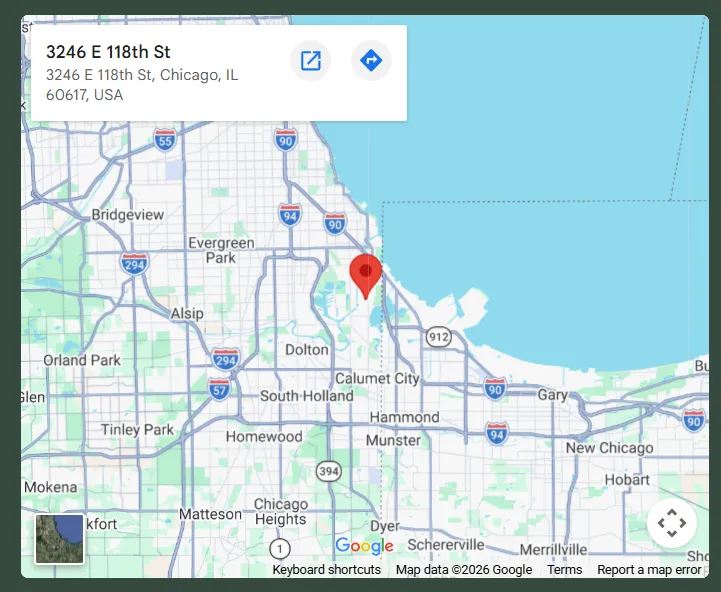
- All three storage types handled at one address, keeping ambient and chilled inventory together.
- Direct highway access at the door, with Class I rail close by.
- Food-grade certification, backed by a credential set the company lists as USDA, HACCP, OSHA, Primus GFS, IFPA, and FSPCA.
- An on-site account manager assigned to each client.
Pricing
Nothing is posted publicly, and the route to a number runs through the sales team.
Storage type and volume will be the main variables in any quote.
Pros and cons
✅ Three storage types under a single roof inside the city.
✅ Inside city limits and close to port access.
✅ One named account manager per client.
❌ Multi-region distribution would need a second partner alongside this one facility.
❌ Focused on food and beverage categories, which narrows the fit for other verticals.
#4: Dynamic 3PL
Best for: Supplement, food, and beverage brands that want warehousing and packaging handled by the same provider.
Locations: 1 facility in Wilmington, IL, 8 miles from the Joliet and Elwood intermodal facilities.
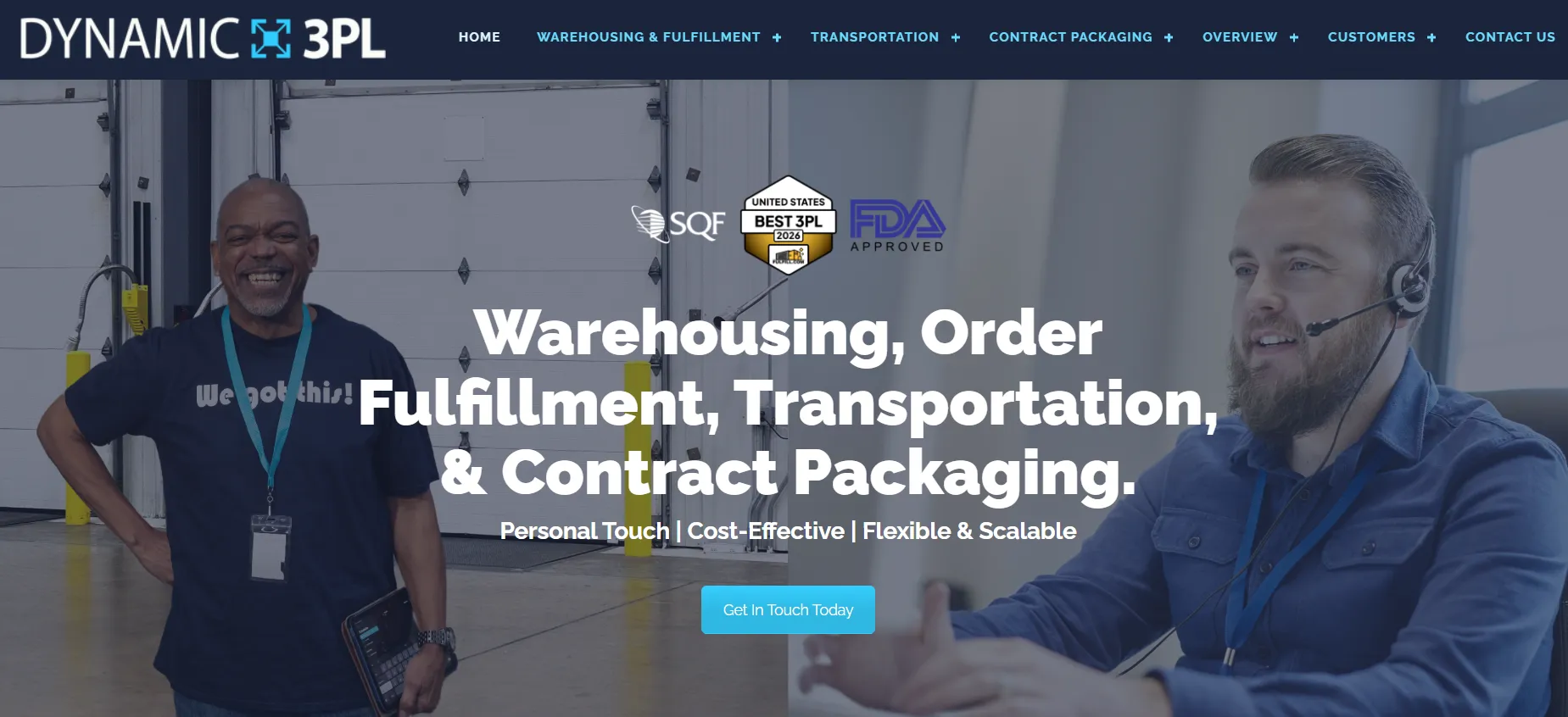
Founded in 1997 as a freight forwarder, Dynamic 3PL now operates more than 500,000 sq. ft. of SQF-certified space with a Class 100 clean room inside it.
That pairing lets a brand bottle a product and ship ecommerce orders without moving inventory between vendors.
Amenities and benefits
- Organic (CCOF) and Kosher certifications alongside the SQF credential.
- Clean-room primary packaging, gummies bottling, secondary packaging, shrink wrapping, bundle packs, and kitting and assembly.
- B2B, retail, wholesale, and ecommerce pick and pack fulfillment, plus cross-docking and retail logistics.
- Freight brokerage and transportation management, including LTL optimization and Walmart consolidation, running on the company's own WMS and TMS.
Pricing
Quoted on request, and the company is open about the fact that bigger order books get the better rate.
Parcel discounts get passed through from its carrier partnerships.
Pros and cons
✅ Warehousing and contract packaging from a single provider.
✅ Certifications spanning SQF, food grade, organic, and Kosher.
✅ Account managers based inside the warehouse itself.
❌ Wilmington is farther from the city than the other Illinois sites in this guide.
❌ Volume-based discounting means smaller brands pay closer to list.
#5: Crane Worldwide Logistics
Best for: Importers and exporters that need bonded storage and air cargo screening close to O'Hare.
Locations: 1 Chicago-area warehouse in Itasca, IL, inside a global network of offices.
Crane Worldwide Logistics operates a 130,000 sq. ft. warehouse in Itasca that functions as a customs-bonded container freight station.
Bonded status and on-site screening mean freight can be held and worked on before it clears customs.
Amenities and benefits
- Bonded container freight station status, with certified screening handled without moving the freight elsewhere.
- TSA-approved Indirect Air Carrier and Certified Cargo Screening Facility status, which lets the site screen air cargo for passenger flights ahead of the airline handoff.
- Air and ocean freight import and export, road freight, customs brokerage, project logistics, contract logistics, kitting and distribution, and pick, pack, and ship services.
Pricing
A quote here reflects your freight mix and whether the bonded facility forms part of the plan.
Pros and cons
✅ Bonded CFS status, with screening handled inside the same building.
✅ Freight forwarding and warehousing from one provider, backed by a global office network.
✅ Trade advisory support for import and export compliance questions.
❌ DTC parcel work is secondary to the freight and cargo movement at the core of the operation.
❌ Warehousing comes wrapped inside a wider forwarding relationship, which is more than some brands need.
#6: ShipBob
Best for: DTC and omnichannel ecommerce brands that want a technology-first fulfillment partner headquartered in Chicago.
Locations: Chicago (West Loop) headquarters, with Midwest fulfillment run from a North Aurora, IL receiving hub and nearby spoke sites.
ShipBob was founded in Chicago in 2014 and built its business around ecommerce order fulfillment.
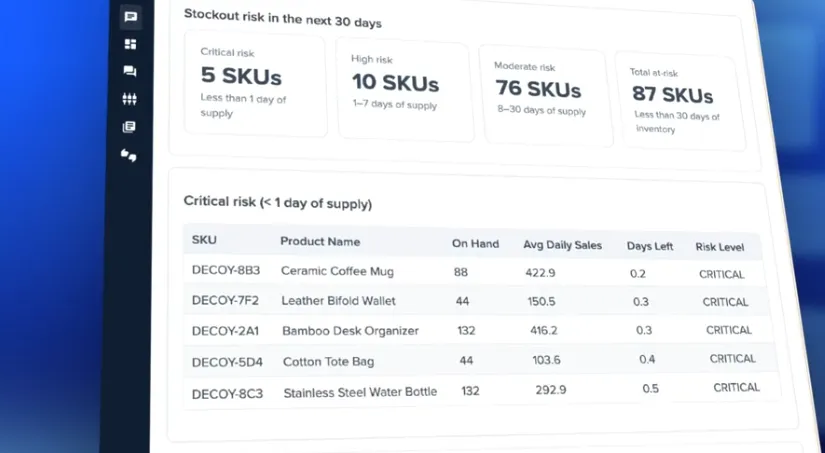
Its North Aurora hub handles storage and outbound orders with live visibility on both, and the wider network lets a brand hold stock in more than one region as it grows.
Amenities and benefits
- A North Aurora receiving hub feeding regional spoke sites, coordinated from the Chicago head office.
- Real-time inventory and order visibility through the company's own platform.
- Integrations with Shopify, Amazon, WooCommerce, and other major ecommerce platforms.
- Access to further fulfillment sites once one building stops being enough.
Pricing
No pricing appears publicly, which makes a direct quote the only route to a number.
Pros and cons
✅ Chicago roots with a wider fulfillment network behind them.
✅ Integrations covering the main ecommerce sales channels.
✅ Multi-warehouse setups available as volume grows.
❌ Industrial and food-grade shippers will want a different provider, given the parcel-ecommerce build.
❌ No published pricing at all, which makes early budgeting guesswork until you have a quote.
#7: Shipfusion
Best for: Ecommerce brands past roughly 2,000 orders a month, including those with perishable or lot-tracked products.
Locations: Chicago-headquartered, with a Chicagoland flagship in Carol Stream, IL plus sites in Las Vegas, York (PA), Dallas, and Toronto (over 1 million sq. ft. total).
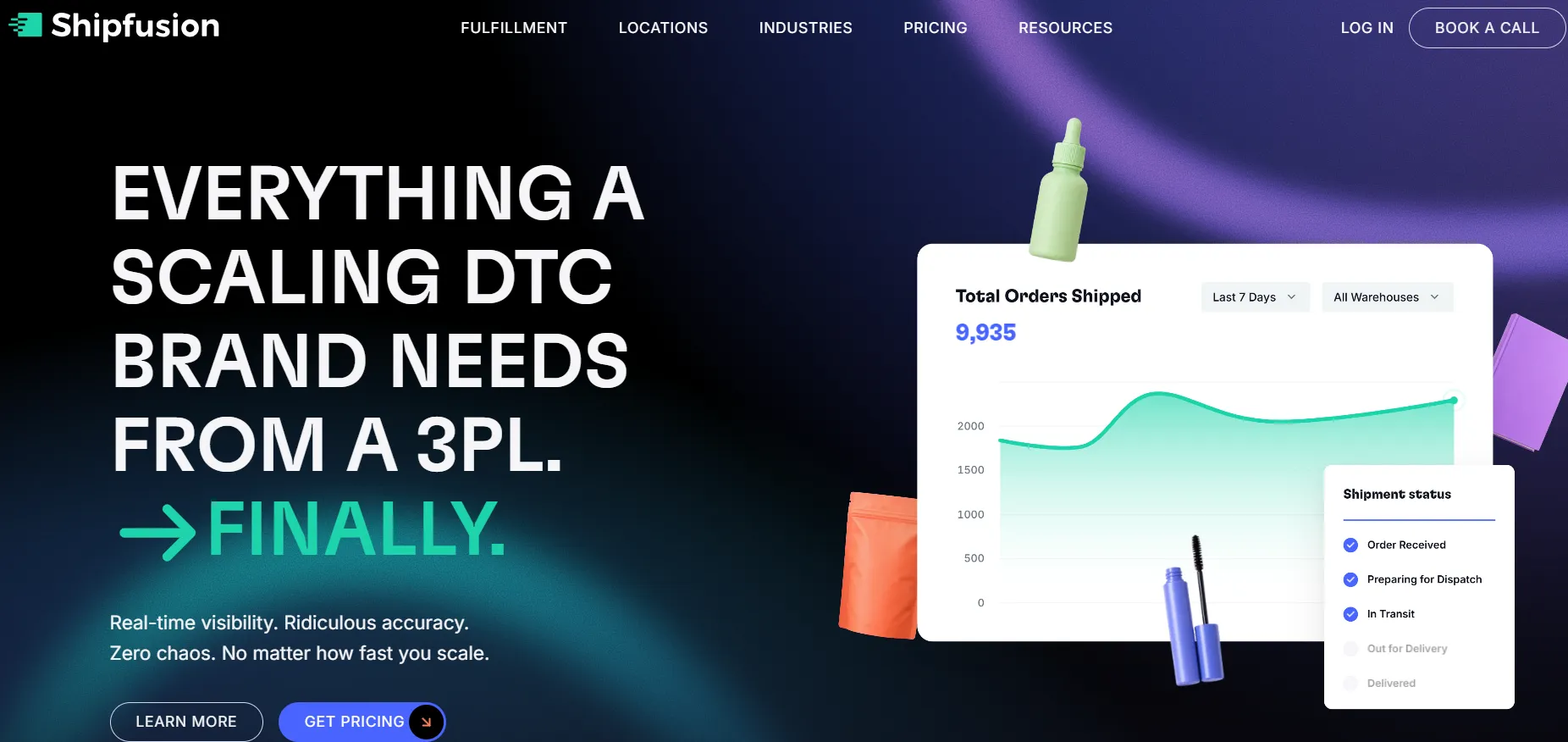
Shipfusion aims its service at ecommerce brands shipping more than 2,000 orders a month and has run independently since 2014.
Lot tracking and temperature control put regulated and perishable products in scope alongside standard parcel work.
Amenities and benefits
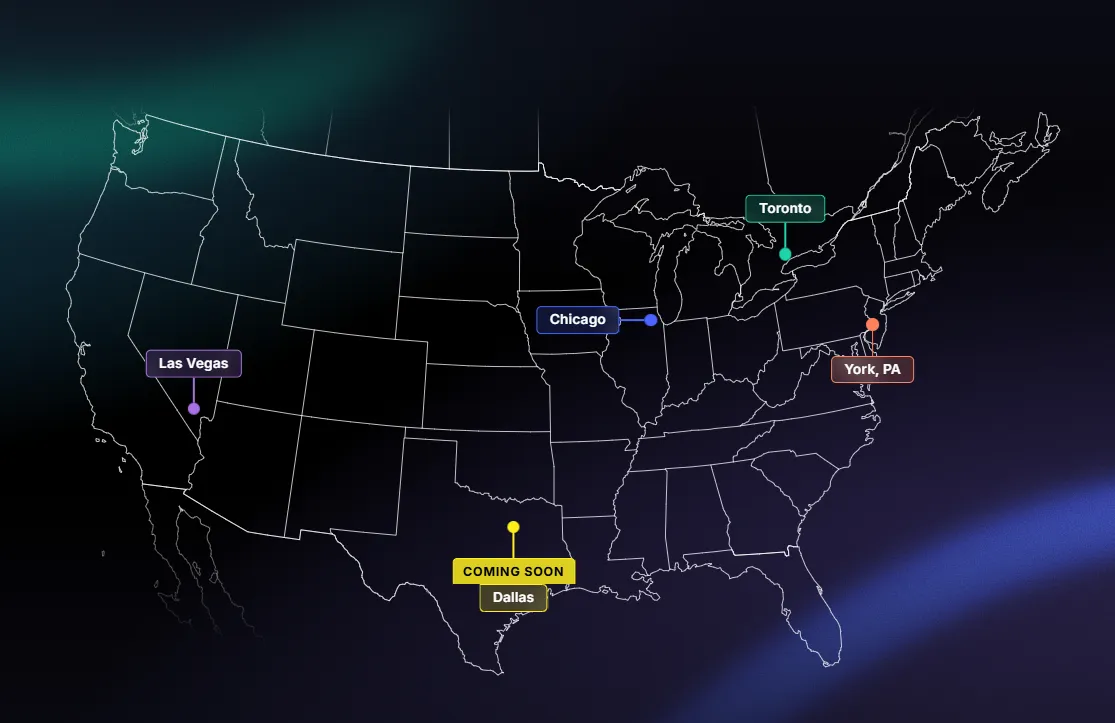
- DTC fulfillment through native storefront integrations, plus B2B and wholesale fulfillment and freight booking through the client portal.
- Shipfusion 360, a dashboard pulling inventory, orders, and billing into one view.
- Lot tracking down to the individual order, cold-chain and temperature control, fully managed returns, and FEFO and FIFO inventory rules.
- Rate Shop for comparing carrier costs across the platform.
Pricing
No published price list and no fixed tiers.
Quotes will most likely get built from your SKU count, monthly order volume, packaging spec, and where the parcels are going.
Pros and cons
✅ Cold chain and lot tracking inside an ecommerce fulfillment service.
✅ One dashboard for inventory, orders, and billing.
✅ Carrier rate comparison built into the platform.
❌ The service targets brands above roughly 2,000 orders a month, leaving earlier-stage sellers out of scope.
#8: ShipCalm
Best for: Small and mid-sized brands moving off another provider that want Chicago fulfillment live quickly.
Locations: 2 facility nodes, with Chicago fulfillment services marketed for the metro.
ShipCalm leads with an onboarding number, 11 days on average from signature to live orders.
That number matters most to a brand mid-switch, when inventory is already in motion.
Amenities and benefits
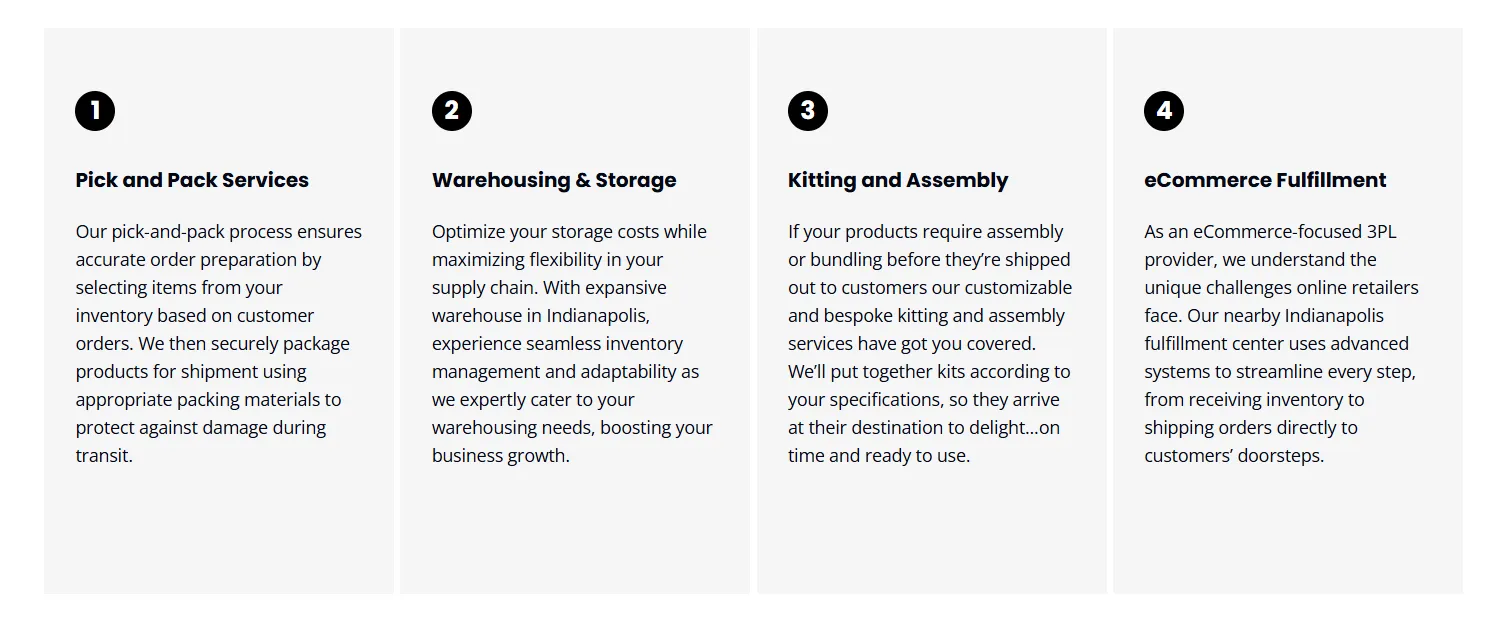
- A 4 PM local cutoff for same-day dispatch, and ground coverage reaching 98% of the country inside a two-day window.
- Live rate arbitration across UPS, USPS, FedEx, and regionals, which the company credits for postage savings of 20% to 40%.
- One support team assigned to your account, held to a 2-hour human response SLA.
- Hands-on migration help whether you are leaving another provider or unwinding an in-house operation.
Pricing
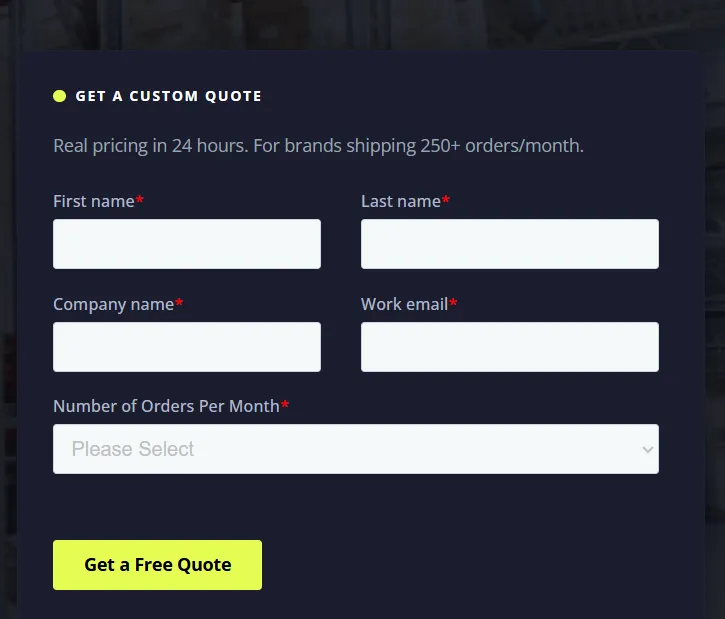
Custom quotes turned around within 24 hours, aimed at brands shipping more than 250 orders a month.
Pros and cons
✅ Fast onboarding with hands-on migration help.
✅ Rate arbitration across national and regional carriers.
✅ Support carries a published response-time commitment.
❌ Only two facility nodes, and their addresses are not named publicly.
❌ Performance figures are self-reported, and worth pressure-testing with references.
#9: Arvato
Best for: Larger brands with cross-border volume that need customs, returns, and refurbishment alongside fulfillment.
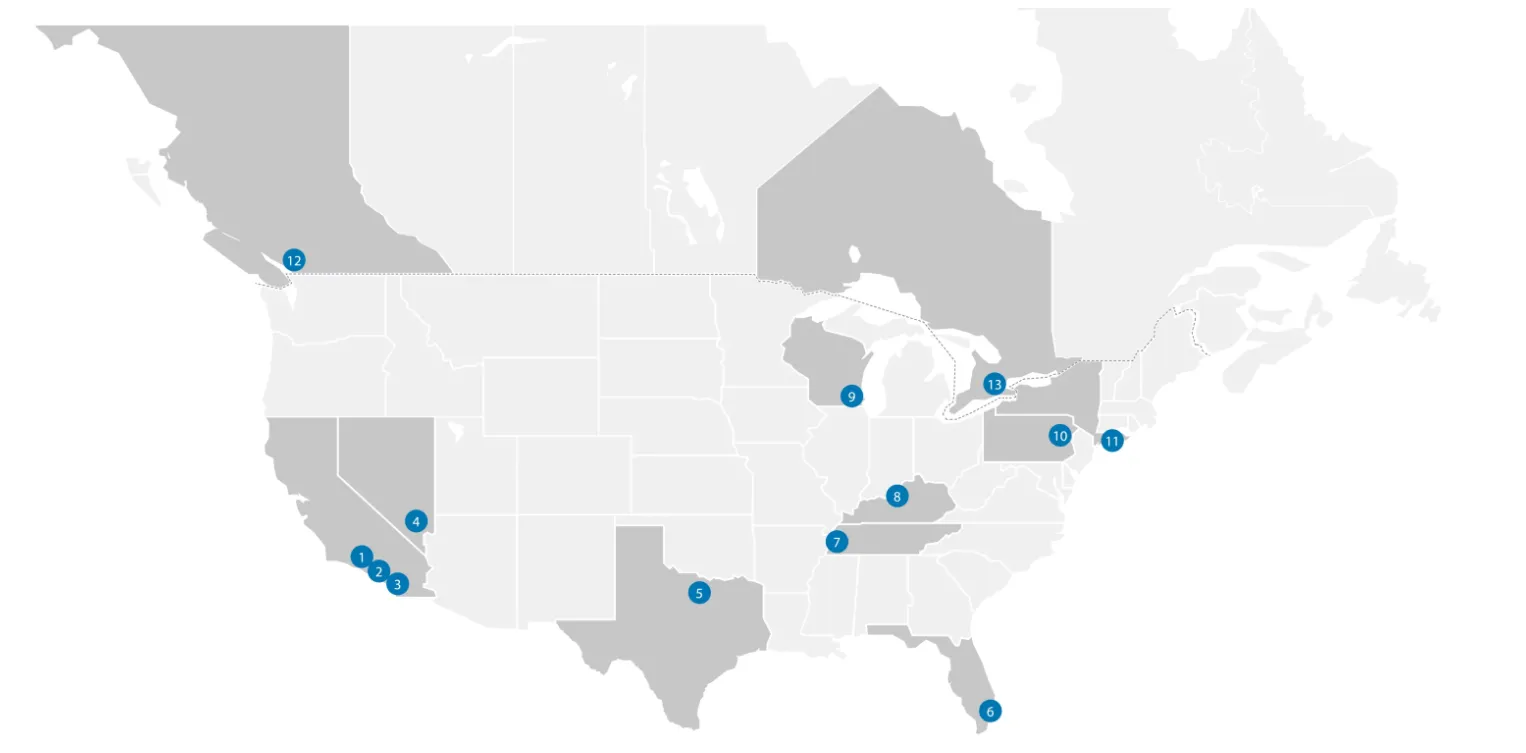
Locations: 22 sites across 14 U.S. and Canadian locations.
Arvato operates 22 sites across 14 North American locations, adding up to around 8 million sq. ft. of warehouse space.
Its cross-border services, including Free Trade Zone access and customs brokerage, fit brands importing into the U.S. and shipping into Canada from one operation.
Amenities and benefits
- More than 2,700 staff across the U.S. and Canada, part of a global headcount of 20,000.
- Delivery windows running from same-day out to two days for the majority of destinations in both countries, on a base of more than 6 million shipments a year.
- Customs brokerage, Free Trade Zone access, automated paperwork, and a carrier roster running past 100 options.
- Network-wide ISO 9001 and ISO 27001 certification, plus ISO 13485 and ISO 14001 at selected buildings.
Pricing
No rate card exists.
Engagements begin with the business development team and get scoped around your channels and the compliance demands of your category.
Pros and cons
✅ Cross-border and customs capability built into the network.
✅ Returns, refurbishment, and automation available in the same footprint.
✅ ISO certifications relevant to healthcare and other regulated categories.
❌ Scaled for high-volume brands and out of range for smaller operations.
#10: Red Stag Fulfillment
Best for: Brands shipping heavy or oversized items that are open to warehousing outside the Chicago metro.
Locations: Knoxville, TN and Salt Lake City, UT.
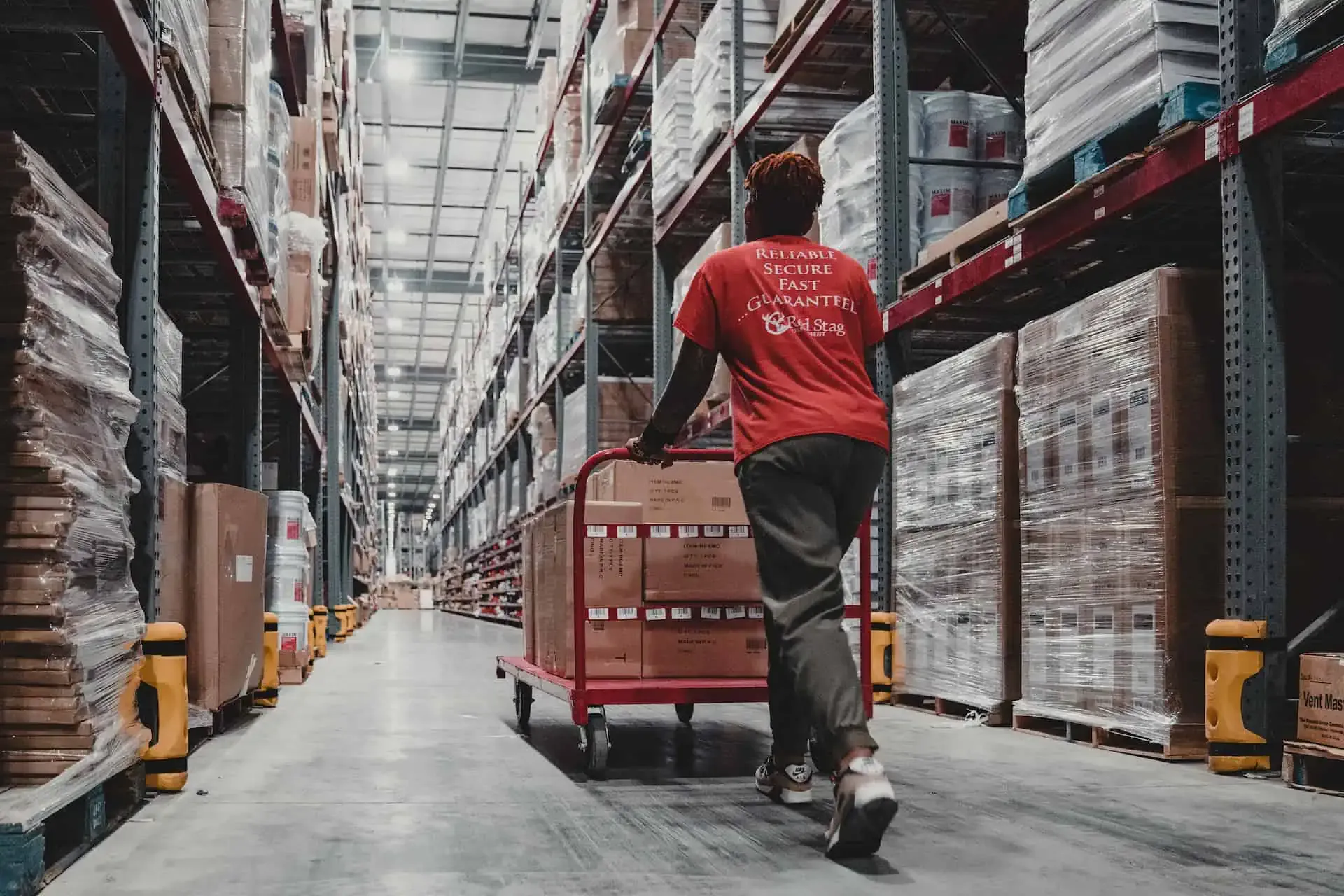
Red Stag Fulfillment makes an unusual argument for a company that appears in Chicago searches, which is to keep the inventory out of Chicago.
Amenities and benefits
- Knoxville and Salt Lake City are the only two nodes, with 13% of American households inside a one-day window.
- Guarantees covering late shipments, mispicks, and shrink, with the company paying the shipment cost when it gets an order wrong.
- Receiving on a two-day dock-to-stock standard, plus kitting and assembly and inventory planning input from its client success team.
- Seller Fulfilled Prime handling for oversized Amazon items from 50 lbs upward, with FBA prep and FBM covering the rest of a catalog.
Pricing
Quotes are custom and start with a four-step inquiry form.
Red Stag publishes explainer resources on how 3PL pricing works, though not its own rate card.
Pros and cons
✅ Published guarantees on accuracy, timeliness, and shrink.
✅ Real capability with big, heavy, and bulky items.
✅ A two-location model that keeps inventory consolidated and reduces internal transfers.
❌ With no Chicago-area facility, local pickup and same-metro freight are off the table.
❌ Two locations give less room for regional inventory splits.
Why brands are looking past the 3PL model in Chicago
Brands look past the 3PL model when unpredictable invoices, no access to their own inventory, and multi-year volume commitments start costing more than outsourcing saves
A 3PL is a good answer for a lot of product businesses, and the 10 providers above are proof of it.
Between them, you can find rail-served food-grade storage, bonded customs space, cold chain, clean-room bottling, and same-day parcel cutoffs, and that is far more infrastructure than any single growing brand could stand up alone.
The friction tends to show up for one particular type of company: the brand that is growing steadily but is not yet shipping at the volume a 3PL's economics were designed around.
➡️ What follows describes how the model is commonly structured across the industry, and not the terms offered by any provider named above.
The invoice is hard to forecast
Storage, receiving, pick and pack, and anything a provider classifies as special handling are usually priced as separate lines.
Every one of those charges is defensible on its own, though the total is what lands on your margin, and it is not always a number you could have predicted when you signed.
Branded packaging and custom inserts are usually billed as extras.
Peak-season storage frequently carries its own rate on top of that.
You watch your inventory through a portal
Many 3PL agreements give you no routine access to the building holding your stock, so you work from reports and a support queue.
That is fine while everything runs normally.
It gets slow the moment a pallet goes missing or a customer complaint traces back to something you cannot look at yourself.
Terms are written around a forecast you may not hit
Warehousing and fulfillment agreements commonly run two to three years, and many carry monthly volume commitments.
If you drop a product line or triple your orders in a quarter, those terms do not move with you.
Onboarding costs then make switching expensive enough that most brands stay put and absorb the mismatch.
➡️ Terms do vary, so ask about shorter or seasonal arrangements before you assume a three-year lock-in.
Tour Saltbox Elmhurst before you sign your next 3PL agreement
The Chicago market gives you real range, from rail-served food-grade campuses and bonded customs space to clean-room bottling and parcel-first ecommerce networks.
Most of the 10 will serve you well when your category and volume line up with what that provider was built for.
What Saltbox changes is who holds the keys:
- Your own locked suite, with the inventory a short walk from your desk.
- One membership rate, with on-site labor billed hourly when you want an extra pair of hands.
- Month-to-month terms, so a slow quarter does not turn into a contract negotiation.
- Custom inserts, kitting, and launch packing treated as normal work in your own suite.
- Office and meeting space at the same address as your pallets.
- Discounted carrier rates through Parsel, with label pricing visible before you ship.
Saltbox Elmhurst is pre-leasing now at 934 N Church Rd ahead of an October 2026 opening.
You can book a tour to walk the building, talk to an expert about switching off a 3PL, or start with Access Plans while you decide on suite size.
Related reading
- Saltbox vs 3PL: How to choose which one is right for your business for a closer look at the two models side by side.
- Best 3PL alternatives for small businesses in 2026 covering co-warehousing, micro-fulfillment, and fulfillment-as-a-service.
Frequently asked questions
Yes. The parallel-run method lets you migrate inventory and orders to a new provider while your current 3PL continues to fulfill. The key is sequencing the move by SKU, starting with slow-movers, and setting clear rules for which provider handles which orders during the overlap.
Request a fully itemized invoice and add up every fee that touches a single order: pick fee, pack fee, materials, carrier rate, and any applicable surcharges. Divide that total by your order count for the period. Don't use your quoted rate as the baseline. Use the actual invoice.
Co-warehousing differs from a traditional 3PL in that it gives small businesses direct access to their inventory, flexible terms, and on-site resources.
Traditional 3PLs give you access to shared fulfillment infrastructure on their terms. Saltbox is a co-warehousing model, which means members get private warehouse suites they control, an on-site team that's physically present, and access to Parsel, Saltbox's shipping platform partner, for discounted shipping and real-time tracking.
The model is built for founders who want the support of a fulfillment partner without giving up visibility and control. Read more here about how Saltbox compares to traditional third-party logistics providers.
Most 3PL transitions take between 30 and 90 days, depending on your order volume, SKU complexity, and contract notice requirements. A 60-day timeline using the parallel-run method is the most common approach for mid-volume operators.



.jpg)