


Key takeaways
- Traditional 3PLs often slow small businesses down with high shipping costs, rigid contracts, and volume minimums.
- In 2026, SMBs are choosing creative fulfillment alternatives that scale with demand and reduce risk.
- Saltbox supports growing brands with hands-on logistics, transparent pricing, and space that grows with you.
Traditional third-party logistics (3PL) providers were built for scale, but not always for small businesses.
After speaking with hundreds of ecommerce founders entering 2026, one theme keeps coming up: the old 3PL model isn’t working for SMBs anymore. High shipping costs, long-term contracts, and volume minimums often limit flexibility at the exact moment businesses need it most.
That’s why many brands are exploring 3PL alternatives for small businesses—modern fulfillment models designed to support growth without unnecessary risk.
In this guide, we’ll break down the most effective alternatives available in 2026, including co-warehousing, in-house fulfillment, micro-fulfillment, multi-channel fulfillment, and fulfillment-as-a-service, and help you decide which model best fits your operation.

Pro tip: We have the best calculator for determining the ROI on outsourcing
Still trying to determine if it makes sense to outsource a task? This calculator offers plug-and-play ROI insights that clarify when to outsource.
Get the calculator
What are the best 3PL alternatives for small businesses in 2026?
The best 3PL alternatives for small businesses in 2026 include co-warehousing, micro-fulfillment, multi-channel logistics, and fulfillment-as-a-service (FaaS). Each option offers different levels of control, cost efficiency, and scalability.
Below, we break down how each model works and when it makes sense to adopt.
Co-warehousing
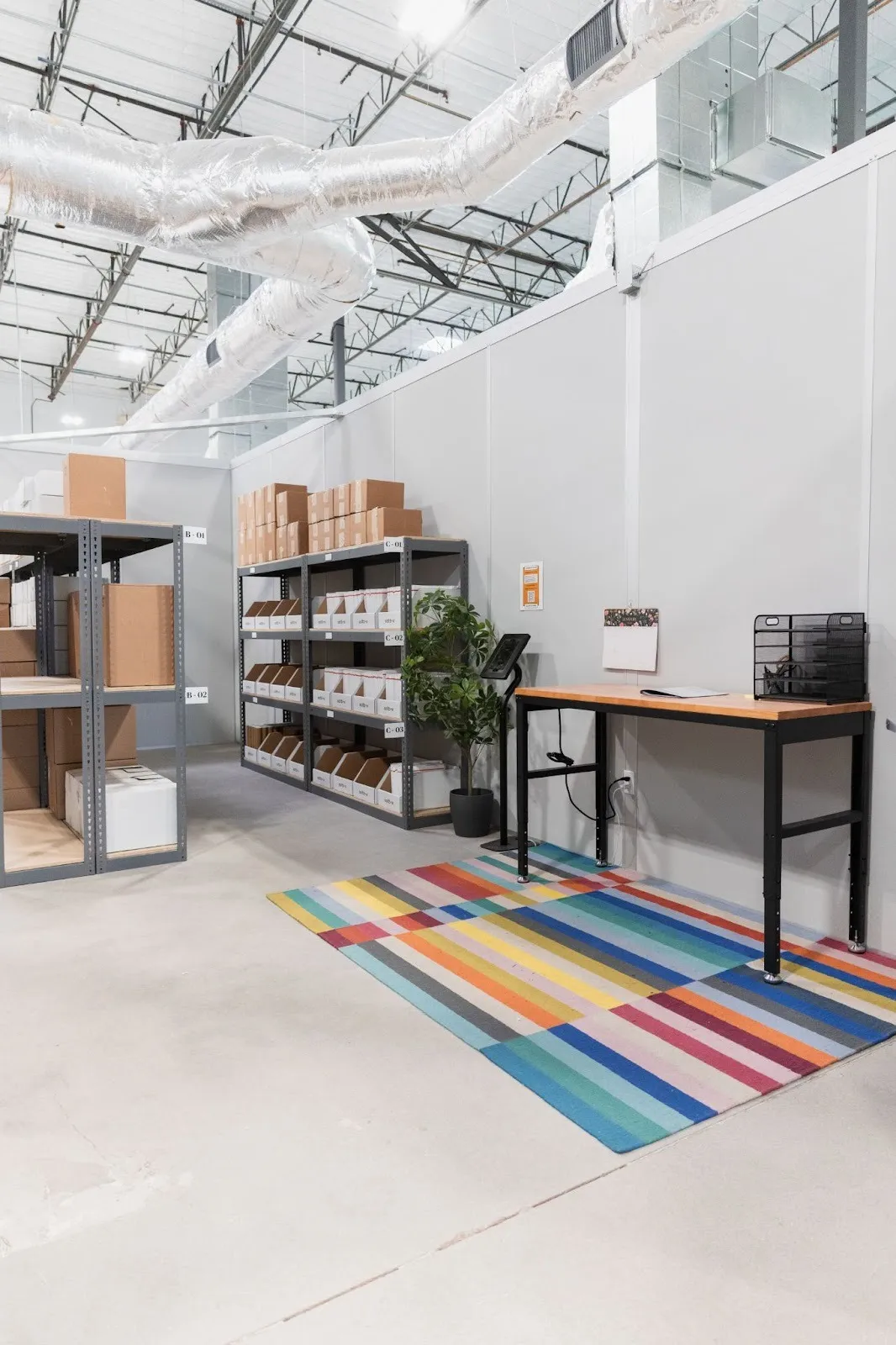
Co-warehousing is one of the most flexible 3PL alternatives for small businesses in 2026. It combines private warehouse space with shared infrastructure and on-site operational support.
Common benefits include:
- On-site operational support
- Flexible, month-to-month terms
- Direct access to inventory
- Built-in community of entrepreneurs
- Scalable warehouse space
Along with a unique logistics model, co-warehousing is one of the best options for brands looking for scalable operations. With traditional 3PL providers, it’s challenging to respond quickly to changes in order volume, often leading to missed opportunities. However, with co-warehousing, small businesses can quickly scale operations up or down to match seasonal fluctuations or unexpected changes in customer orders.
At Saltbox, co-warehousing goes a step further. Members work from private, secure suites with full inventory visibility while getting on-site operational support, access to discounted carrier rates through Parsel, and flexible month-to-month terms that scale with your business.
In-house fulfillment
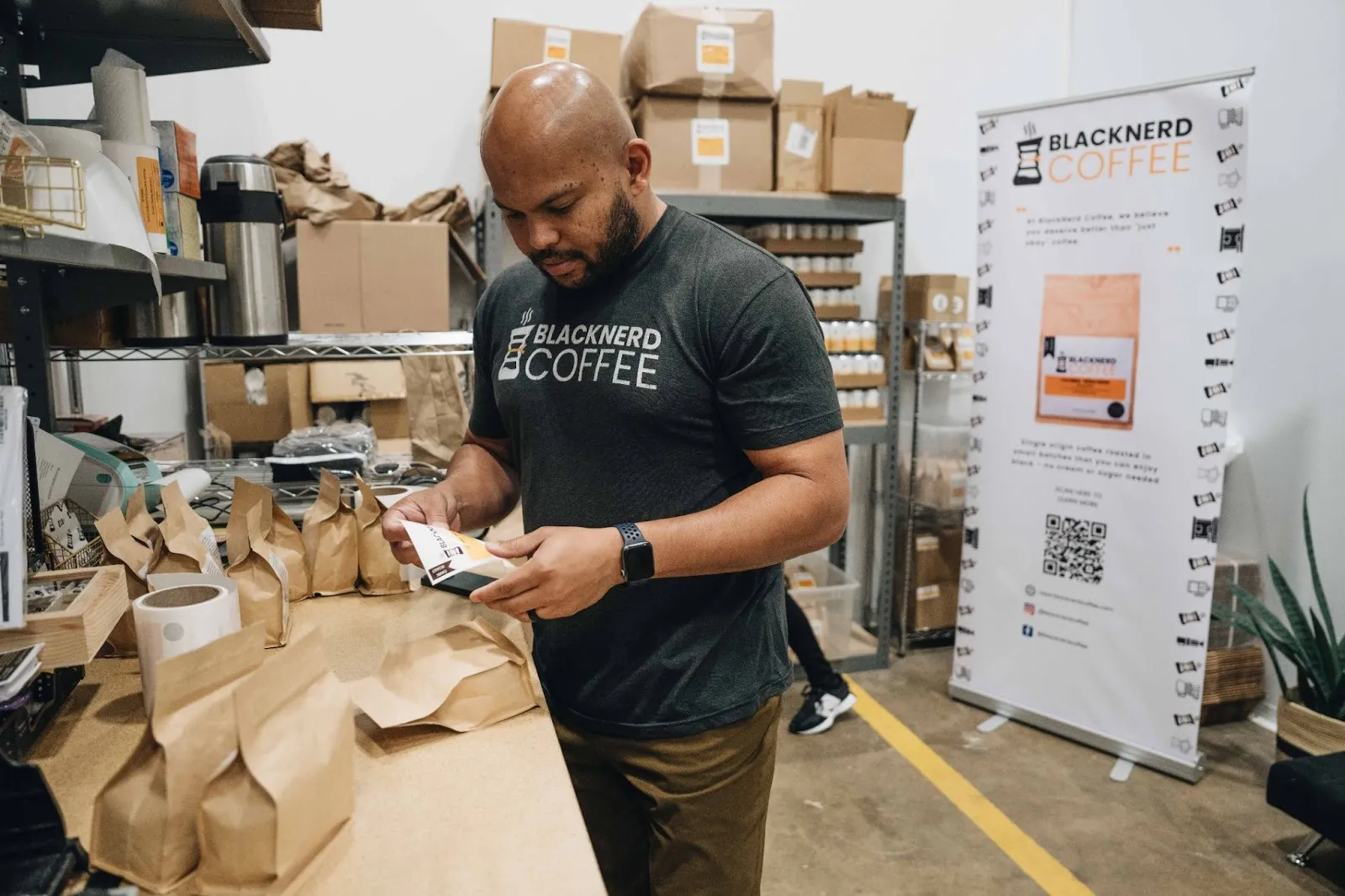
In-house fulfillment works well for early-stage brands with low order volume. Managing storage, packing, and shipping internally offers full control and can keep costs down at the start.
But as order volume increases, in-house fulfillment often becomes a bottleneck. Rising labor costs, space limitations, and operational complexity can slow growth, especially during peak seasons.
For many SMBs, in-house fulfillment is a temporary solution rather than a long-term strategy.
Micro-fulfillment centers

Micro-fulfillment centers are small, tech-enabled warehouses located near major customer hubs. They’re best suited for regionally focused brands aiming to reduce last-mile delivery times.
However, this model comes with trade-offs:
- Limited inventory capacity
- Higher risk of stockouts
- Reduced flexibility for multi-SKU operations
Micro-fulfillment works best as part of a broader fulfillment strategy rather than a standard solution.
Multi-Channel fulfillment
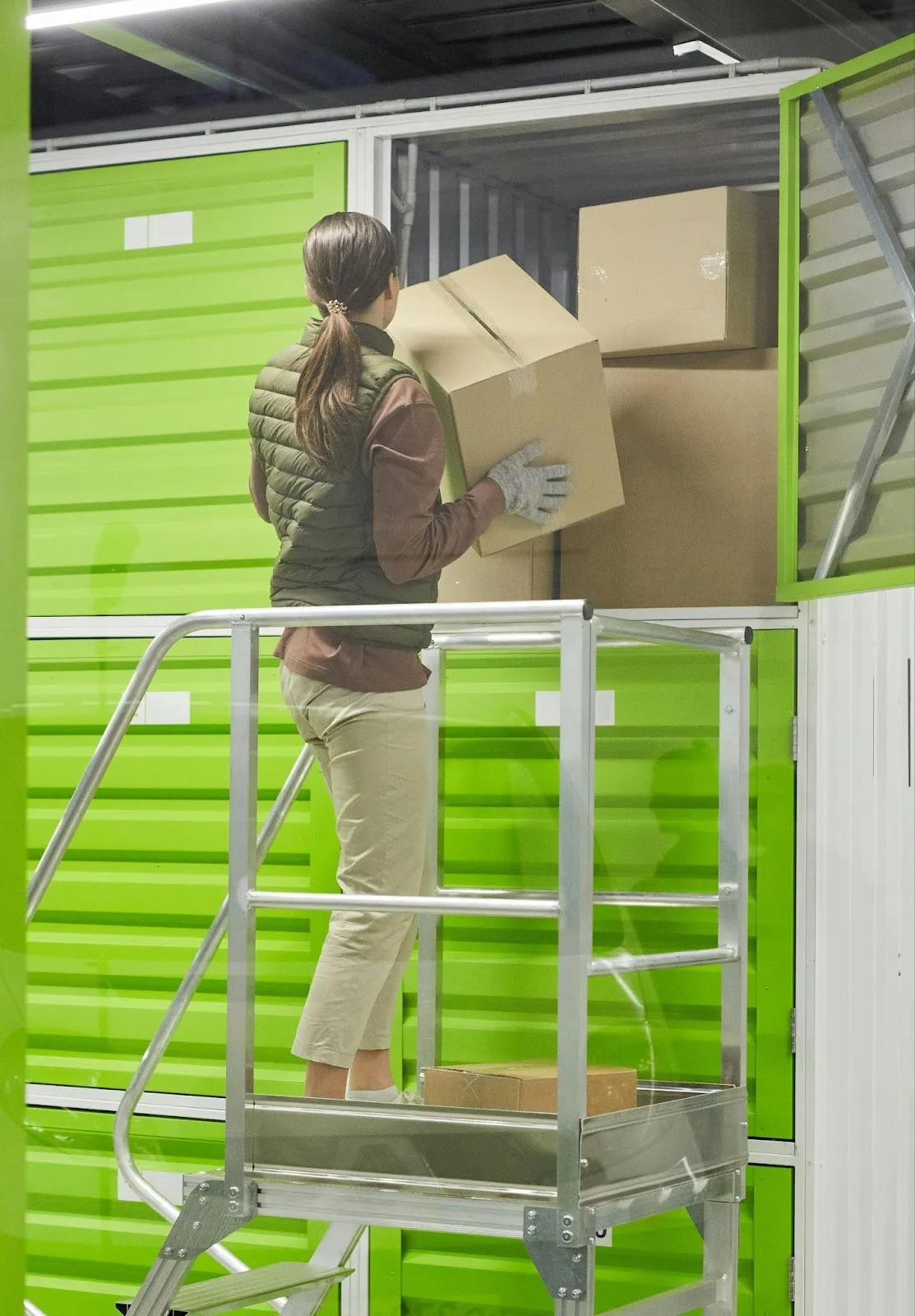
Multi-channel fulfillment combines multiple logistics strategies, such as in-house operations, co-warehousing, and seasonal overflow support.
This hybrid approach helps SMBs manage spikes in demand without overcommitting resources. However, it requires strong systems to track inventory, returns, and workflows across channels.
Brands considering multi-channel logistics should prioritize technology integration and real-time visibility.
Fulfillment-as-a-service (FaaS)
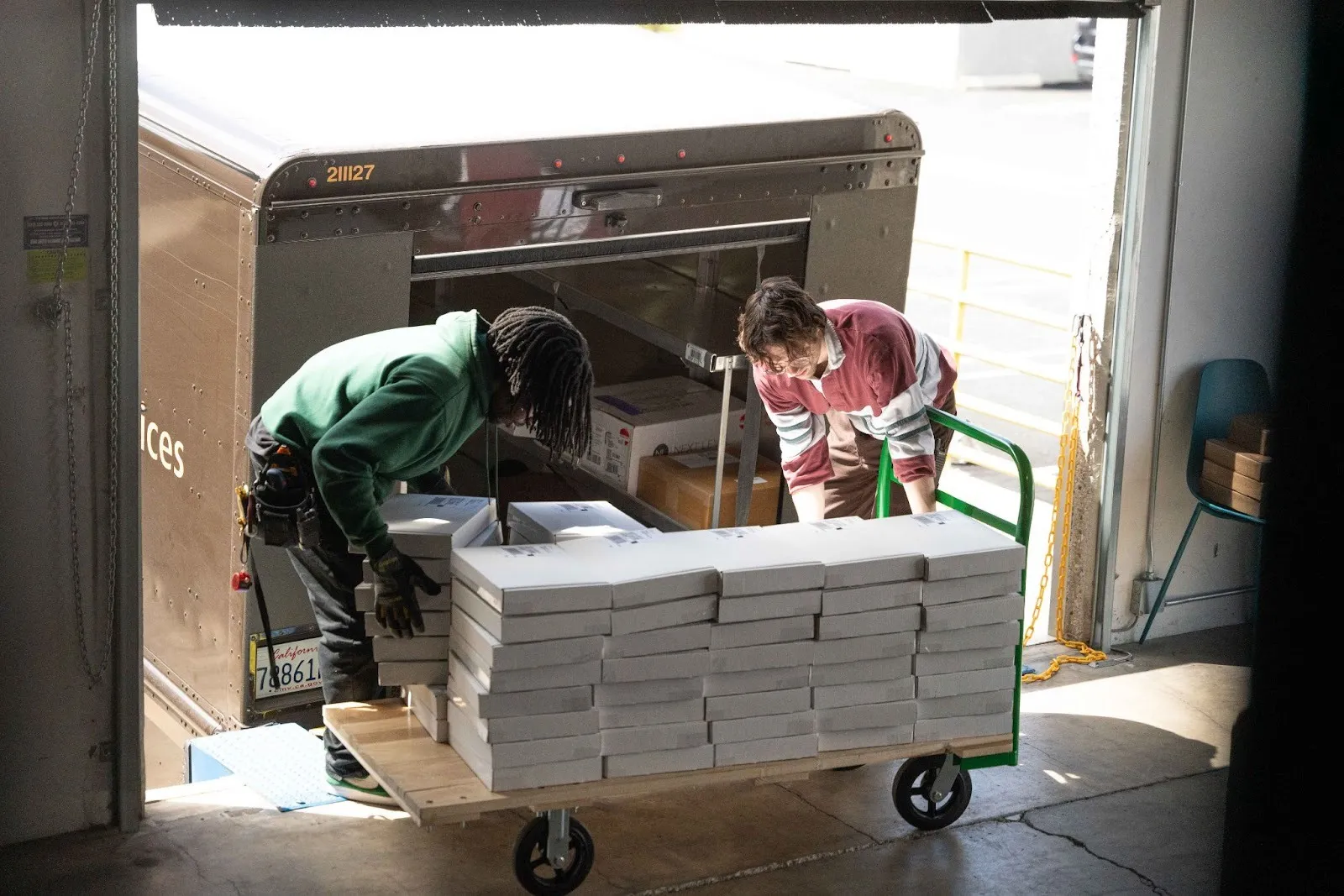
The last 3PL-alternative solution for SMBs expected to catch on quickly in 2026 is fulfillment-as-a-service (FaaS). Similar to SaaS (software-as-a-service), fulfillment-as-a-service lets SMBs pay for fulfillment support only when they need it. This model works well for:
- Product launches
- Promotional campaigns
- Seasonal surges
Typical services include order processing, packaging, storage, and shipping—without long-term commitments. FaaS offers flexibility but may lack the consistency and control growing brands need year-round.
How do traditional 3PLs compare to Saltbox?
While traditional 3PLs are optimized for predictable, high-volume operations, Saltbox is designed for growing businesses that need flexibility. As we discuss in the following video, Saltbox is for small business owners looking for a tailored logistics solution, not just a vendor.
The chart below also highlights other ways that Saltbox compares to traditional 3PLs.
A small business approach to fulfillment in 2026
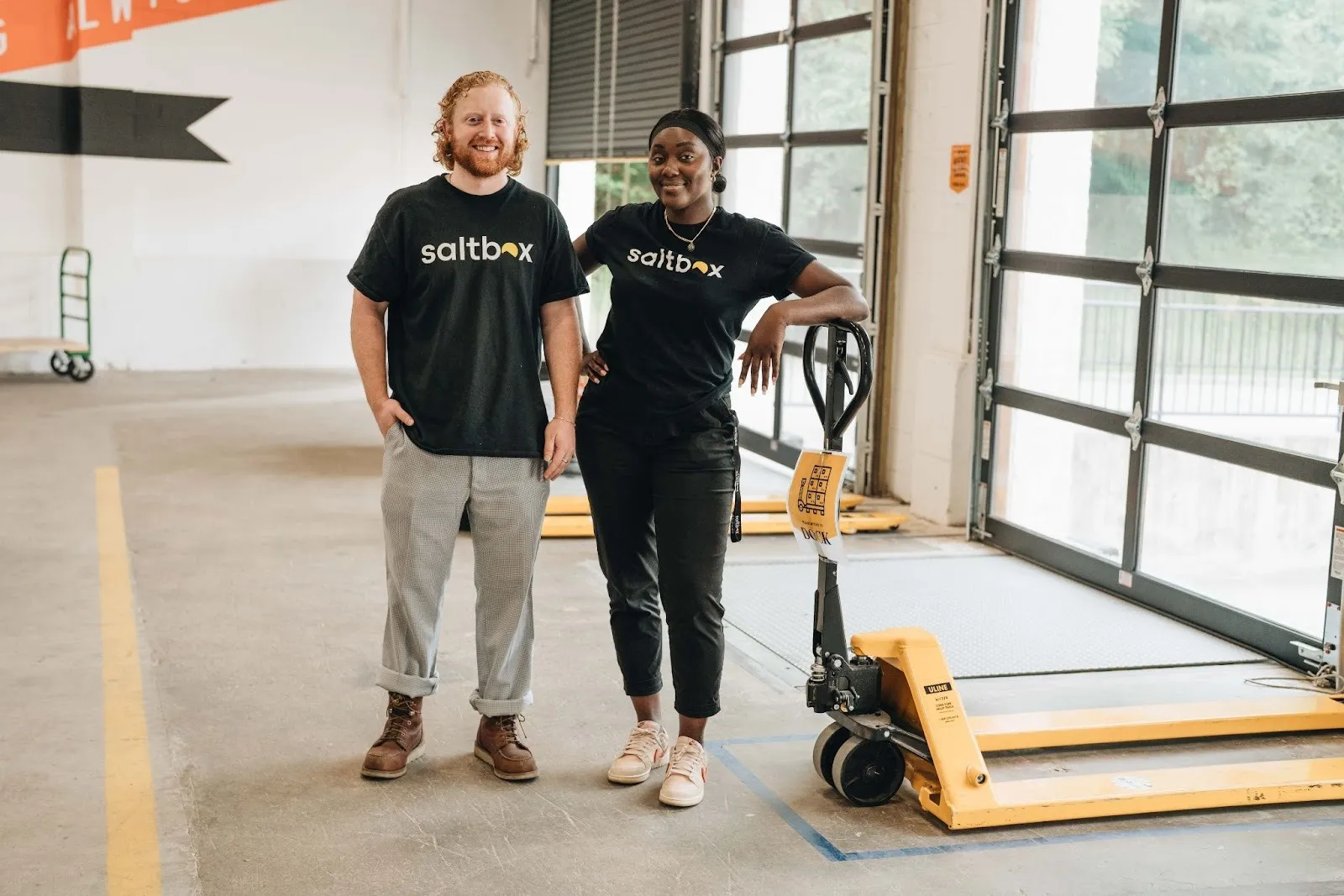
In 2026, small businesses no longer have to settle for one-size-fits-all logistics.
Modern 3PL alternatives give SMBs the freedom to choose fulfillment strategies that evolve alongside their business. Whether you’re scaling steadily or navigating unpredictable demand, flexible models like co-warehousing and fulfillment-as-a-service help reduce risk while protecting your customer experience.
If you’re looking for a logistics partner built for small businesses, book a tour with Saltbox and see how flexible logistics should feel.
Frequently asked questions
Rising costs, rigid contracts, and volume minimums are pushing SMBs toward more flexible fulfillment models.
Co-warehousing is the best 3PL alternative for small businesses looking for flexible space, hands-on support, and scalability.
Co-warehousing differs from a traditional 3PL in that it gives small businesses direct access to their inventory, flexible terms, and on-site resources.
In-house fulfillment becomes less effective as order volume increases, especially during peak seasons, when space, labor, and order fulfillment become challenging to manage.
Fulfillment-as-a-service allows SMBs to pay for order fulfillment support only when needed, making it ideal for product launches, promotions, and seasonal spikes.
Yes, small businesses can combine multiple fulfillment models. In fact, hybrid or multi-channel fulfillment models let SMBs combine in-house inventory management, co-warehousing, or overflow support to scale their supply chain efficiently without overcommitting resources.
Saltbox offers flexible co-warehousing, a transparent pricing structure, and hands-on operational support explicitly designed for small and growing ecommerce brands.