


Key takeaways
- Pick-and-pack fulfillment is the work of pulling each order from inventory and packing it to ship. During peak season, it's usually the step that decides whether orders go out on time.
- 2026 raises the stakes. The per-package residential demand surcharge rose about 25% at UPS and FedEx, and one oversize package can cost as much in fees as the demand surcharge on 156 standard orders.
- The fastest wins come before the rush: re-slot your best sellers, batch pick, pre-kit bundles, and measure your packaging against carrier size thresholds.
- Your handling time sets your holiday cutoff. With USPS Ground Advantage's last recommended ship date on Thursday, December 17, every day you shave off pick and pack is another day you can keep selling.
Every peak season, I watch the same pattern play out. Orders spike, the packing table becomes a bottleneck, and a business that ran all year smoothly starts missing ship dates. The product didn't change. The workflow just wasn't built for 3X the volume.
Pick-and-pack fulfillment is the process of picking the right items from inventory for each order and packing them securely for shipment. It sits between "order placed" and "label printed," and during the holidays it's where most delays start. Here's how to tighten your pick-and-pack flow for the 2026 holiday season, including what's changed since last year.
What is pick-and-pack fulfillment?
Pick-and-pack fulfillment is the order fulfillment step where a person (or a team) pulls the items for an order from inventory, checks them, and packs them for shipping. Every order runs through four stages:
- Receive the order. It comes in from your ecommerce platform, marketplace, or wholesale channel.
- Pick. Using a pick list, a picker locates and pulls each item from its shelf or bin.
- Pack. Items are checked against the order, packed with the right materials, and sealed.
- Label and ship. A shipping label is generated, tracking is sent to the customer, and the package goes out with the carrier.
You can run pick and pack yourself, hand it to a third-party logistics (3PL) provider, or work with an onsite team like Saltbox Fulfillment. Whichever you choose, the same principle holds: the fewer steps, touches, and searches per order, the faster and more accurate you'll be.
What's different about holiday fulfillment in 2026?
A few changes this year make an efficient pick-and-pack flow more valuable than usual.
- The fee on every order went up. The per-package residential demand surcharge rose about 25% year over year at UPS and FedEx. During the peak weeks it's $0.75 per package at UPS (November 22 to December 26) and $0.80 at FedEx (November 23 to December 27). See the full breakdown in our guide to 2026 peak season shipping surcharges.
- Size mistakes cost more. A single UPS large package surcharge during peak weeks is $117.50, the same as the demand surcharge on 156 standard orders. Packing choices now show up directly on your shipping bill.
- The calendar is tighter. Christmas falls on a Friday, and USPS recommends shipping Ground Advantage by Thursday, December 17. Our 2026 holiday shipping deadlines guide has every carrier's date and a formula for setting your own store cutoff.
- Inventory is landing earlier. Retailers moved this year's import peak earlier to get ahead of new tariffs, which means more stock to receive, store, and slot before the rush. We covered the trade-offs in how tariffs are rewriting peak season 2026.
How do you optimize pick-and-pack fulfillment for the holidays?
These eight steps are listed in the order I'd tackle them, starting with the ones that take the most lead time.
1. Re-slot your space around your holiday best sellers
Think of your warehouse layout like a racetrack. The fewer obstacles in the way, the faster your team moves. Pull last year's November and December sales and move your top 20 holiday SKUs to the shelves closest to your packing stations. Group items that are often bought together so pickers can grab them in one stop.
Pro tip: Label every shelf, bin, and location clearly. Even experienced pickers lose time hunting for items at peak volume, and seasonal help loses even more.

By leveraging a warehouse management system (WMS), businesses can monitor inventory levels in real time, manage incoming orders, and optimize pick-and-pack routes for maximum efficiency. Investing in quality packing materials and setting up organized packing stations helps reduce errors and ensures that every package is prepared to the highest standard.
With a solid foundation in place, fulfillment centers can achieve greater order accuracy, minimize shipping costs, and ultimately enhance customer satisfaction throughout the busy holiday season.
2. Batch pick orders with the same items
Batch picking groups orders that share items so a picker can fill several orders in one trip instead of walking the same aisle over and over. It's one of the simplest ways to raise output without adding people. Saltbox member Shinery fulfilled 400+ orders from the same packing list during a high-traffic ecommerce event by batch picking and processing.
As volume grows, look at zone picking (each picker owns a section of your space) and wave picking (releasing batches at set times of day, timed to carrier pickups).

3. Automate labels, packing slips, and order routing
Connect your ecommerce platform to your shipping software so packing slips, labels, and tracking updates generate automatically. Every manual step you remove is one less chance for a typo at 9 PM on December 15. Saltbox members use Parsel, Saltbox's shipping platform partner, to compare carrier rates and print labels in batches.
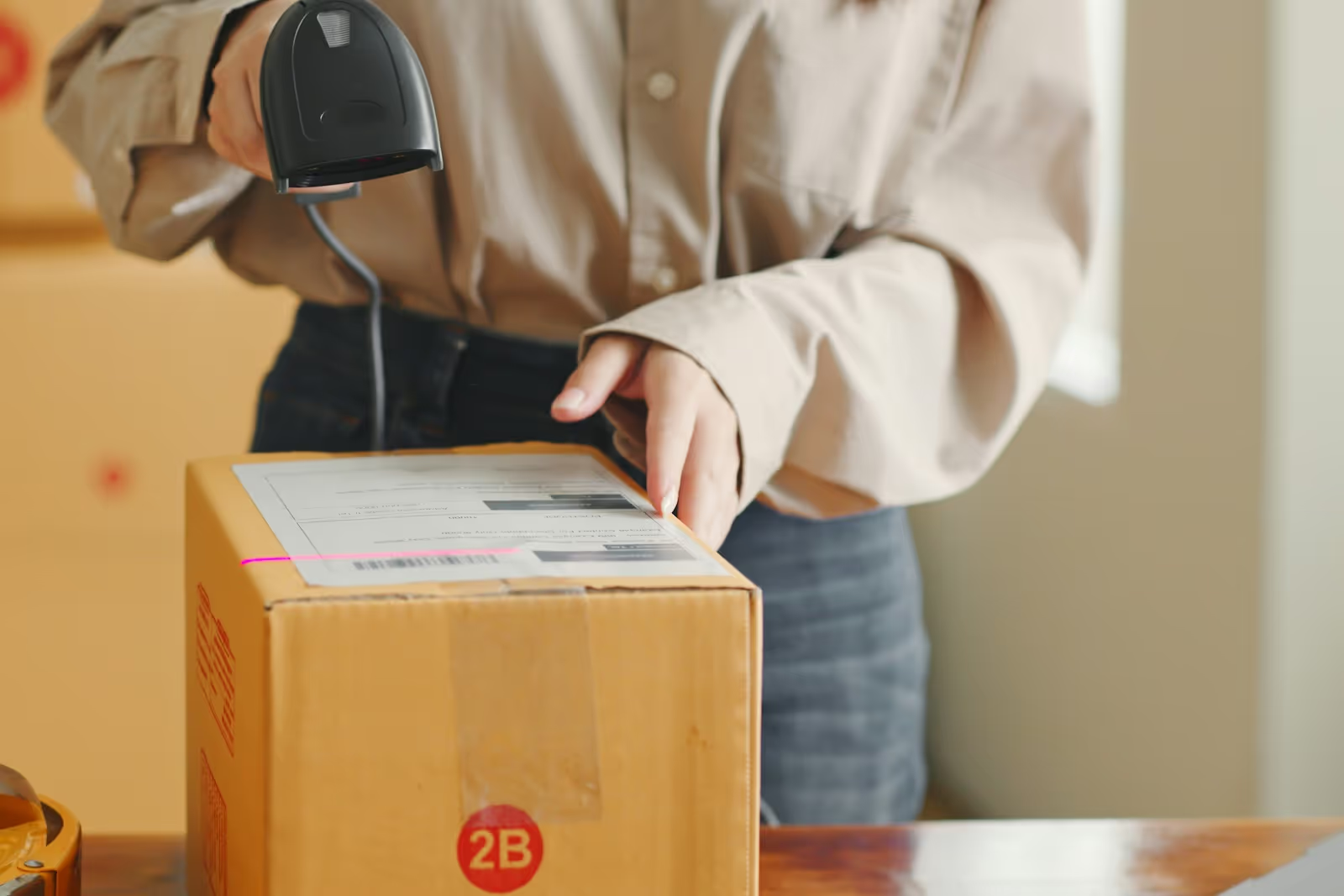
Barcode scanning at the pack station is worth setting up before peak, too. Scanning each item against the order catches wrong-item errors before they turn into returns.
4. Measure your packaging before you ship a thousand of them
This step is new for 2026, and it may be the highest-return hour you spend this season. Check your top SKUs' packed dimensions and weights against each carrier's size thresholds. FedEx triggers its oversize charge at 96 inches in length, or 130 inches in length plus girth. UPS triggers its large package surcharge at 130 inches in length plus girth.
If a best seller sits close to a threshold, a smaller box or a different pack-out can save you real money on every order. Our guide on how your box design should grow with your business covers what to change at each stage.
5. Prep your packaging and gift bundles early
During the holidays, presentation matters as much as protection. Pre-fold boxes, stock up on the right packing materials for each product type, and pre-kit your most popular gift bundles before the orders come in.
If you offer gift wrapping or inserts, set up an assembly line so it doesn't stall the rest of your flow. And custom packaging is worth the effort for gift orders, since the unboxing is part of the gift.

6. Build a flexible, trained team
Your fulfillment workflow is only as strong as the people running it. Cross-train everyone so anyone can step into picking, packing, or labeling when a station backs up. If you're bringing on temporary labor, start them in early November so they're trained before volume peaks.
At Saltbox, members don't have to hire for the spike at all. S.O.S. (Saltbox Operations Support) adds labor on demand, so you can scale up for a flash sale and back down the next day with no long-term commitment.

7. Set your store cutoff from your real handling time
The best pick-and-pack process can still be derailed by a missed shipping cutoff. Don't copy carrier deadlines onto your site. Work backward instead: the carrier's last-ship date, minus your handling time, minus a one- to two-day buffer, is your store cutoff.
For example, a seller using USPS Ground Advantage (last recommended ship date Thursday, December 17) with two days of handling and a one-day buffer should set a cutoff of Monday, December 14. Get the full list of dates in our 2026 holiday shipping deadlines guide.
8. Keep communication flowing
Whether it's your fulfillment team, customer service, or suppliers, open communication keeps small problems from becoming big ones. A 10-minute daily stand-up during peak weeks is enough to flag low inventory, high-priority orders, and workflow changes before they snowball.

Should you outsource pick and pack during peak season?
It depends on how much control you want to keep. Handing pick and pack to a traditional 3PL frees up your time, but many 3PLs come with order minimums, a support ticket instead of a direct line, and less say over how your product is packed. If your brand experience depends on custom pack-outs or gift-ready presentation, that trade-off matters most in December.
There's a middle path. Wit hSaltbox Fulfillment, an onsite operations team handles pick and pack inside your own suite, using your workflow with your product. You keep control and visibility, and you get the flexibility to add hands when volume spikes. It's built for brands that have outgrown packing everything themselves but don't want to lose control over the customer experience.
Wrapping up your 2026 holiday pick-and-pack strategy
Peak season doesn't have to mean peak stress. Re-slot your space, batch pick, automate the repetitive steps, measure your packaging, and set a cutoff based on your real handling time, and the holiday rush becomes a process instead of a scramble.

Ready to see how an onsite operations team could handle your peak?
Visit your local Saltbox to see our team in action.
Book a tour
Every minute you save in fulfillment is a minute you can spend on your customers and your business.
Visit the Saltbox Holiday Hub for shipping deadlines, fulfillment checklists, and seasonal resources.
Frequently asked questions
Pick-and-pack fulfillment is the process of pulling the items for each order from inventory (picking), then checking and packaging them for shipment (packing). It's the step between an order being placed and a shipping label being printed.
Move your best sellers closest to your packing stations, batch pick orders with the same items, automate labels and packing slips, pre-kit popular bundles, and bring on extra help before volume peaks rather than during it.
Batch picking is a method where one picker fills several orders in a single trip through your inventory by grouping orders that share items. It cuts walking time and is especially useful for high-volume days like Black Friday and Cyber Monday.
The per-package residential demand surcharge rose about 25% this year, and size-based fees can reach $117.50 per package at UPS during peak weeks. That makes packing choices, especially box size, a direct cost lever. Check your top SKUs against carrier size thresholds before peak.
Start in September or October. Re-slotting inventory, setting up batch picking, ordering packaging, and training seasonal help all take lead time, and peak surcharges start in late September.
Outsourcing makes sense if fulfillment is taking time away from growing your business. If you want to keep control over how your product is packed, look for an option that gives you a direct line to the people packing your orders, like an onsite operations team, rather than a black-box 3PL.