.webp)


Key takeaways
- Symbia Logistics publishes the largest metro footprint at 330,000 sq. ft. of Class A, SQF-certified space in Commerce City, and Acme Distribution follows on the strength of an on-site Union Pacific rail spur in Aurora.
- Import and export volume points to Crane Worldwide Logistics, which pairs a 135,000 sq. ft. Aurora warehouse with global freight forwarding, or Aspen Distribution, which holds Container Freight Station capability.
- South Seas Data covers technology lifecycle management out of bonded Englewood space, and Boxstars leads on cross-docking and overflow storage from its Denver facility.
- 5 Logistics and The Shipping Depot both take ecommerce pick and pack out of a single Denver-area building, one running a cloud WMS and the other building crates in-house.
- Sams 3PL Solutions handles a different job entirely, covering project freight, ITAR-aware staging, superload permits, and data center equipment.
- XPDEL runs an automation-led fulfillment center and publishes coverage across a dozen named Denver-metro municipalities.
- Saltbox's co-warehousing solution is the best alternative to a 3PL in Denver for brands that want to take back control and run fulfillment themselves, with private warehouse suites and offices at 4800 Dahlia St.
Looking for the best 3PL companies in Denver, CO to hold your inventory and put mountain-state deliveries inside a one-day ground window?
In this guide, I'll walk through 10 third-party logistics providers serving Denver in 2026, which brands each one fits, and why some keep fulfillment in a suite of their own.
What are the best 3PL companies in Denver in 2026?
The best 3PL companies in Denver in 2026 are Symbia Logistics, Acme Distribution, and Crane Worldwide Logistics.
The table below covers footprint and services for all ten:
#1: Symbia Logistics
Best for: Food, beverage, and natural CPG brands that need Class A, SQF-certified distribution space close to Denver International Airport.
Locations: 1 fulfillment center in Commerce City, CO, and a corporate address in Edwards, CO.
A 330,000 sq. ft. fulfillment center in Commerce City gives Symbia Logistics its Denver footprint, and the building carries a Class A rating alongside food-grade, SQF-certified status.
Denver International Airport is seven miles away, and the company reaches Wyoming, Nebraska, Kansas, New Mexico, and Utah from this one Colorado base. That suits a brand whose orders skew toward the mountain states.
Amenities and benefits
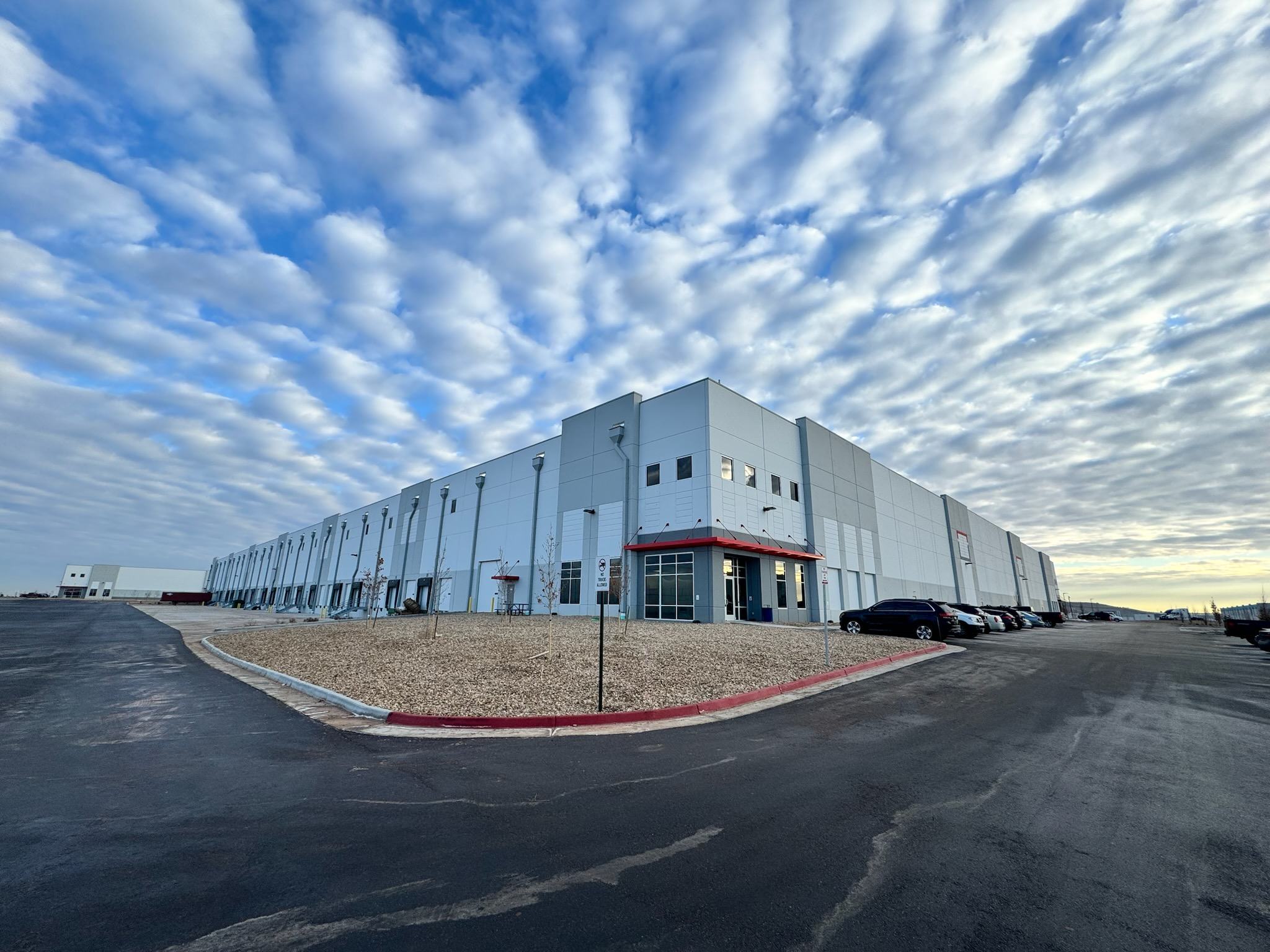
- 330,000 sq. ft. of Class A space with high-density storage and warehouse automation, positioned away from the I-25 and I-70 congestion points.
- Food-grade and SQF-certified status, putting packaged food and natural CPG categories in scope.
- Platform connections covering Shopify and Shopify Plus, BigCommerce, WooCommerce, Amazon, Walmart, and Square.
- Reverse logistics and just-in-time delivery handled alongside standard storage and order processing.
Pricing
Symbia Logistics publishes no rates, and a consultation with the team is how you get to a figure.
Pros and cons
✅ At 330,000 sq. ft., the largest published warehouse footprint of the ten.
✅ Food-grade and SQF certification inside a Class A rated building.
✅ Colorado addresses for both the warehouse and the corporate office.
❌ A first-year brand shipping a few hundred parcels a month falls below the pallet-scale profile this building runs on.
❌ Commerce City is the only Symbia building named in its Denver materials, so splitting inventory across regions needs a wider conversation.
Saltbox is the best alternative to a 3PL in Denver when you want your hands on your own inventory
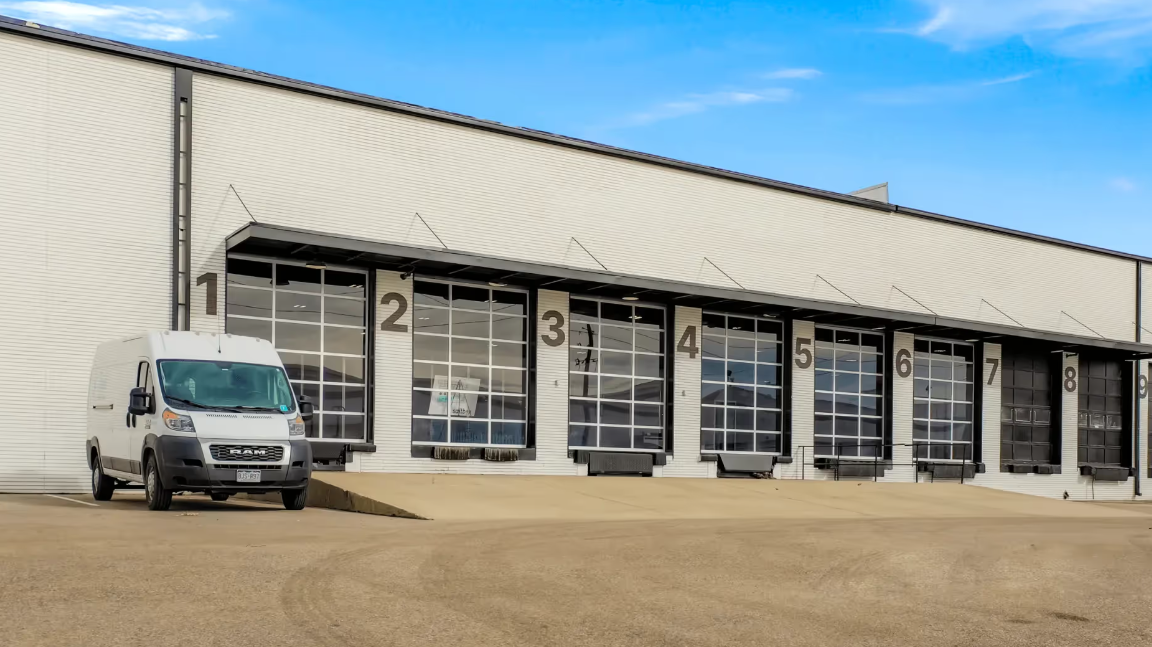
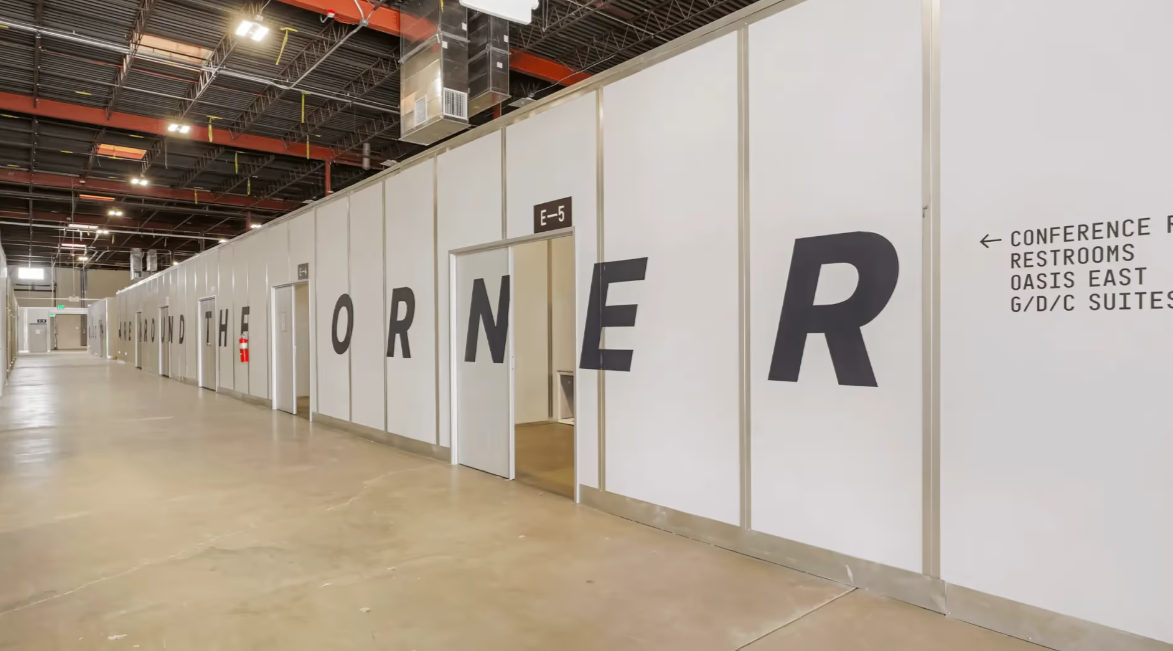
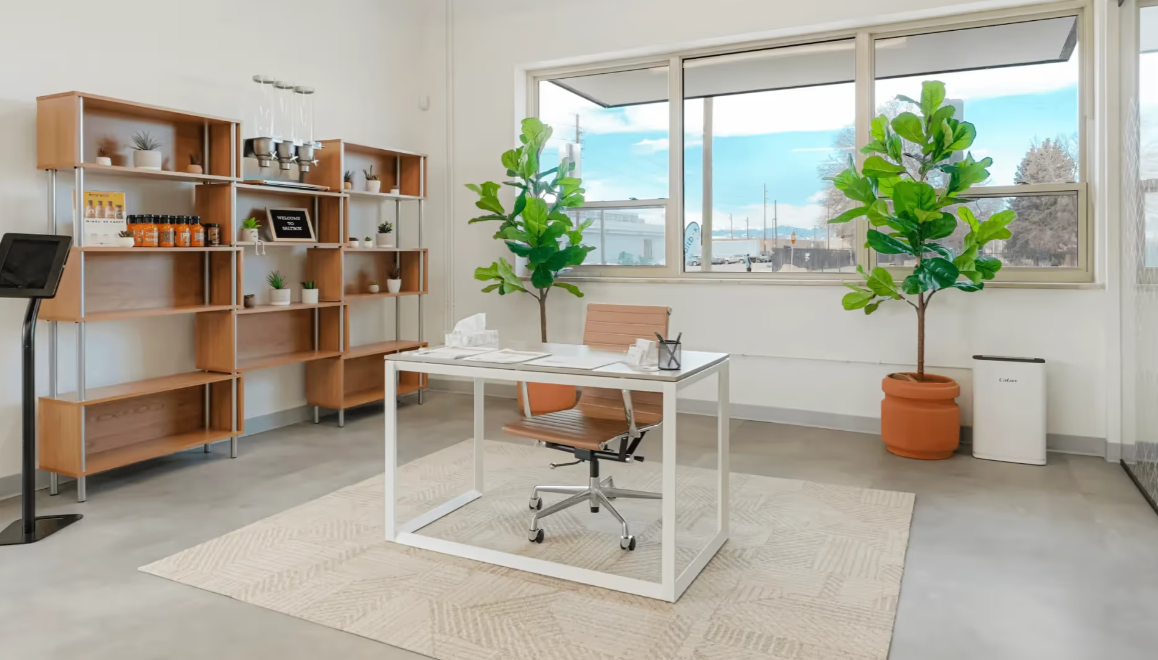
Saltbox Denver, at 4800 Dahlia St, gives you a private warehouse suite with your own key, month-to-month billing, and an on-site team that packs as much or as little as you ask.
The 3PL trade-off is fine at the start: you send pallets somewhere, someone else picks them, and your evenings come back.
However, the strain shows up later. A customer emails about a damaged unit, and there is no pallet you can go and look at yourself.
The invoice carries four lines you did not forecast, and the custom insert you wanted for a launch comes back quoted as a special project.
Saltbox Denver reverses that arrangement, as your stock goes into a private suite that nobody else opens, and the on-site team handles as much or as little of the packing as you ask it to.
Disclosure: Saltbox is our company. Here's an accurate look at how our Denver building compares with the 3PL model.
You’ll be able to secure a private suite from 40 to 19,510 sq. ft. and have the freedom to choose whether you want to handle fulfillment yourself, or outsource it to our team while still retaining control over operations.
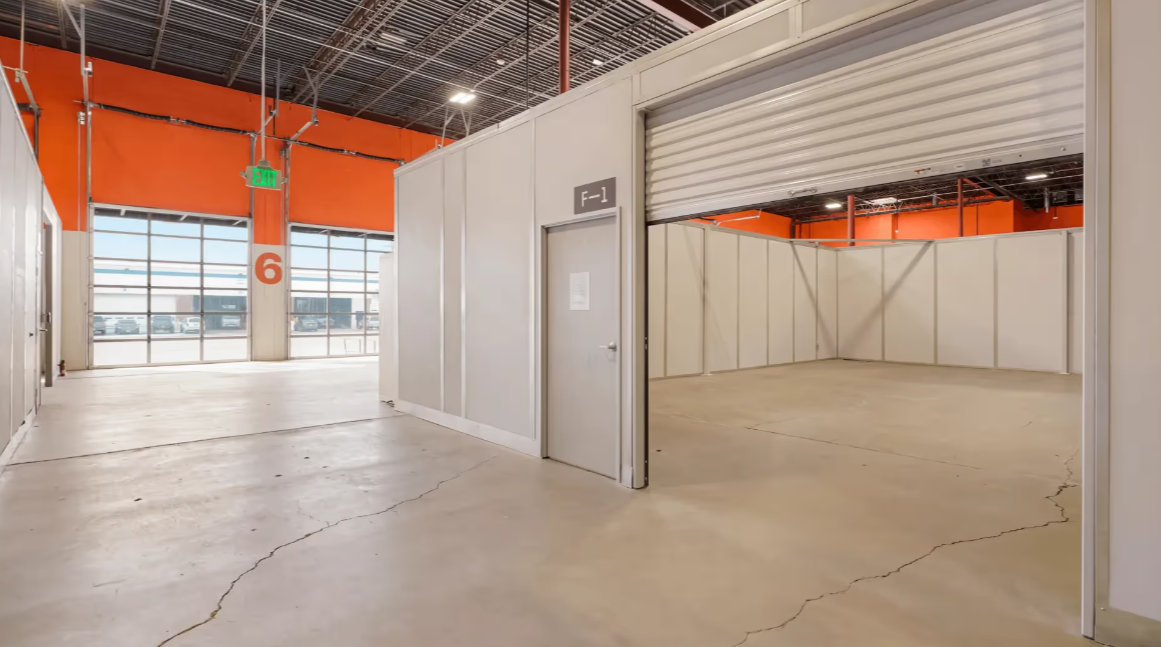
Let’s go over the differences between Saltbox Denver and the typical 3PL model:
Saltbox Denver against the 3PL model
⚠️ Note: The left column sets out the structure common to third-party logistics agreements generally. No provider named in this guide has published these terms, and none should be read into that column.
What you get at Saltbox Denver
A Saltbox Denver membership covers the suite, the dock, inventory receiving, and the shared spaces in one monthly rate, with extra packing help available by the hour when you want it:
- A private suite that is yours alone, with your own key, from 40 sq. ft. and 5 pallets at the Starter tier up to 19,510 sq. ft. and 1,219 pallets at the largest.
- Inventory receiving handled for you, along with mail and package intake, loading docks, and daily on-site pickups with major carriers, so no post office lines and no lift gate fees.
- S.O.S. (Saltbox Operations Support), our on-demand operations crew, for extra hands on the floor during a launch or a peak week. Saltbox Fulfillment, with its Pick and Pack tier, takes the picking and packing off you entirely.
- On-site equipment, printing services, and a place in the Saltbox Entrepreneurs Club alongside the other product brands in the building.
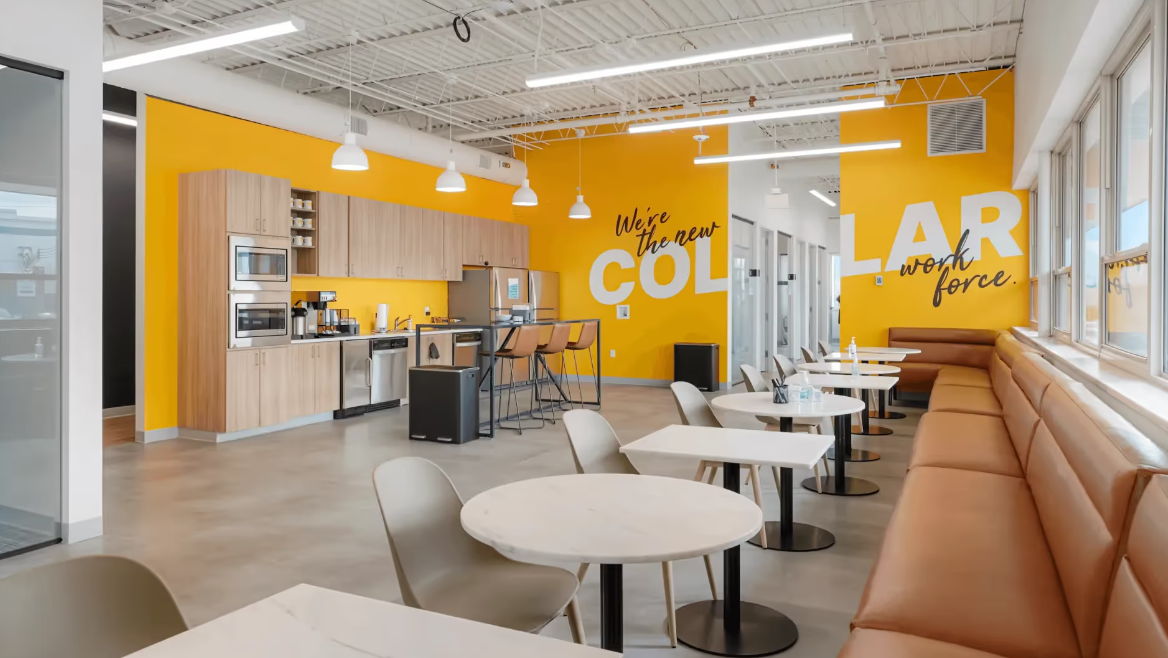
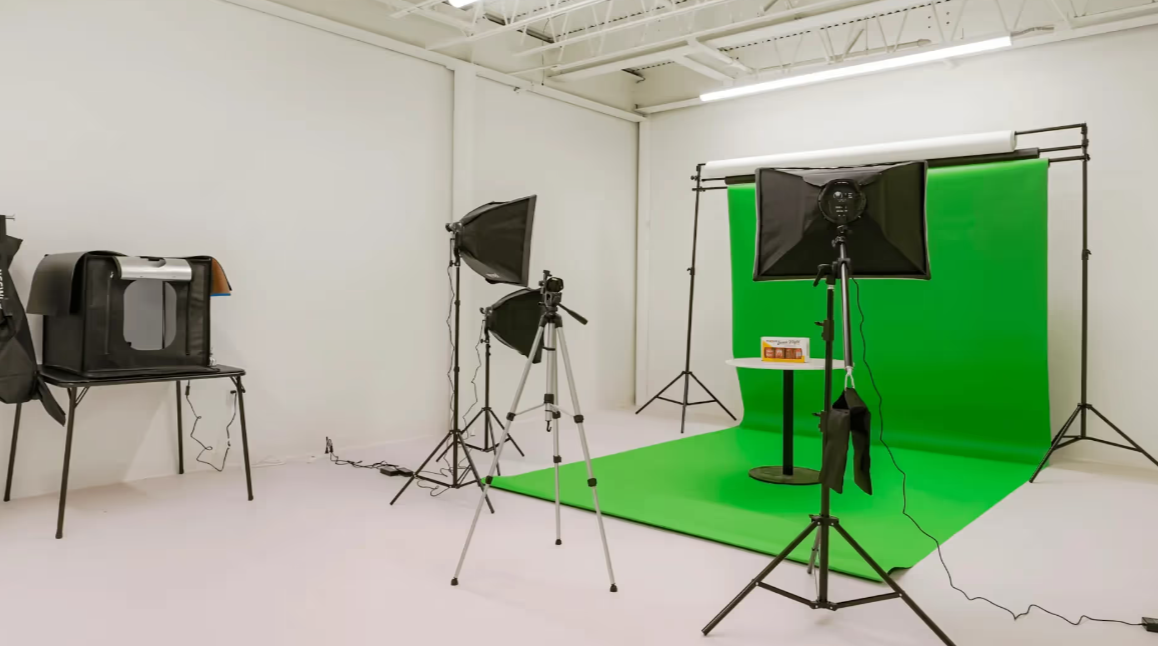
- Two content studios, conference rooms, and a kitchen and community space, with in-suite power, 24/7 security, and high-speed Wi-Fi throughout.
How much does Saltbox Denver cost?
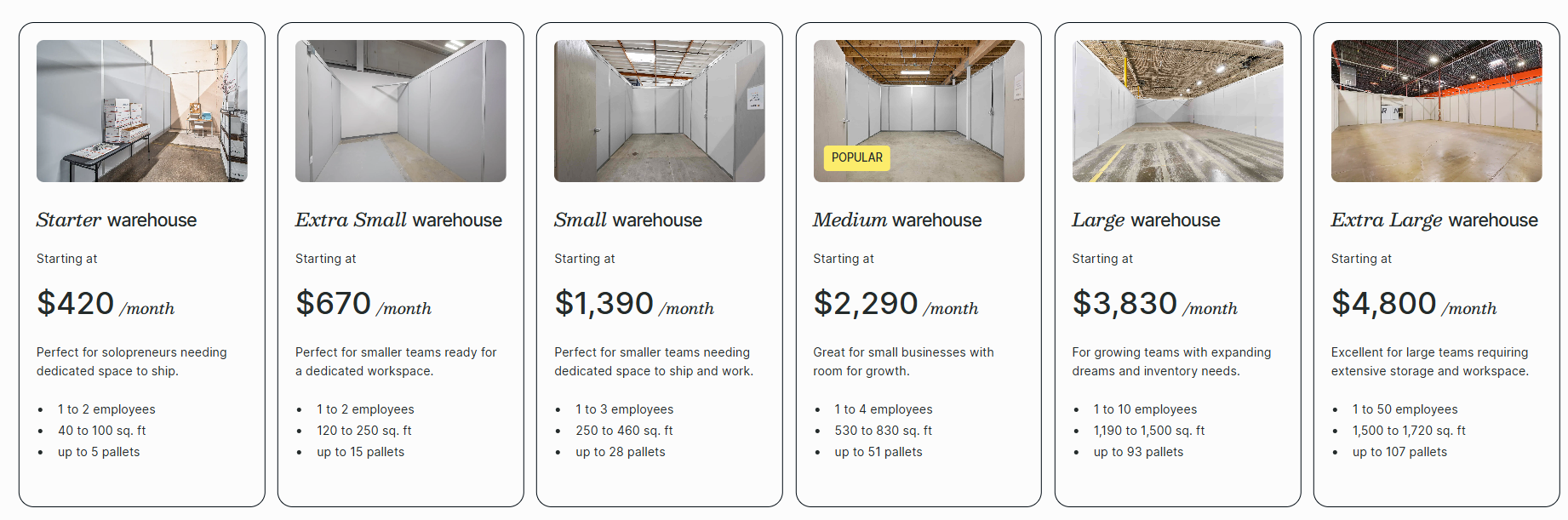
Memberships at Saltbox Denver start at $420/month, and every suite tier runs on month-to-month terms.
- Starter warehouse from $420/month: 40 to 100 sq. ft., up to 5 pallets, 1 to 2 employees.
- Extra Small warehouse from $670/month: 120 to 250 sq. ft., up to 15 pallets, 1 to 2 employees.
- Small warehouse from $1,390/month: 250 to 460 sq. ft., up to 28 pallets, 1 to 3 employees.
- Medium warehouse from $2,290/month: 530 to 830 sq. ft., up to 51 pallets, 1 to 4 employees.
- Large warehouse from $3,830/month: 1,190 to 1,500 sq. ft., up to 93 pallets, 1 to 10 employees.
- Extra Large warehouse from $4,800/month: 1,500 to 1,720 sq. ft., up to 107 pallets, 1 to 50 employees.
- Extra Extra Large warehouse from $10,980/month: 7,510 to 19,510 sq. ft., up to 1,219 pallets, 1 to 75 employees.
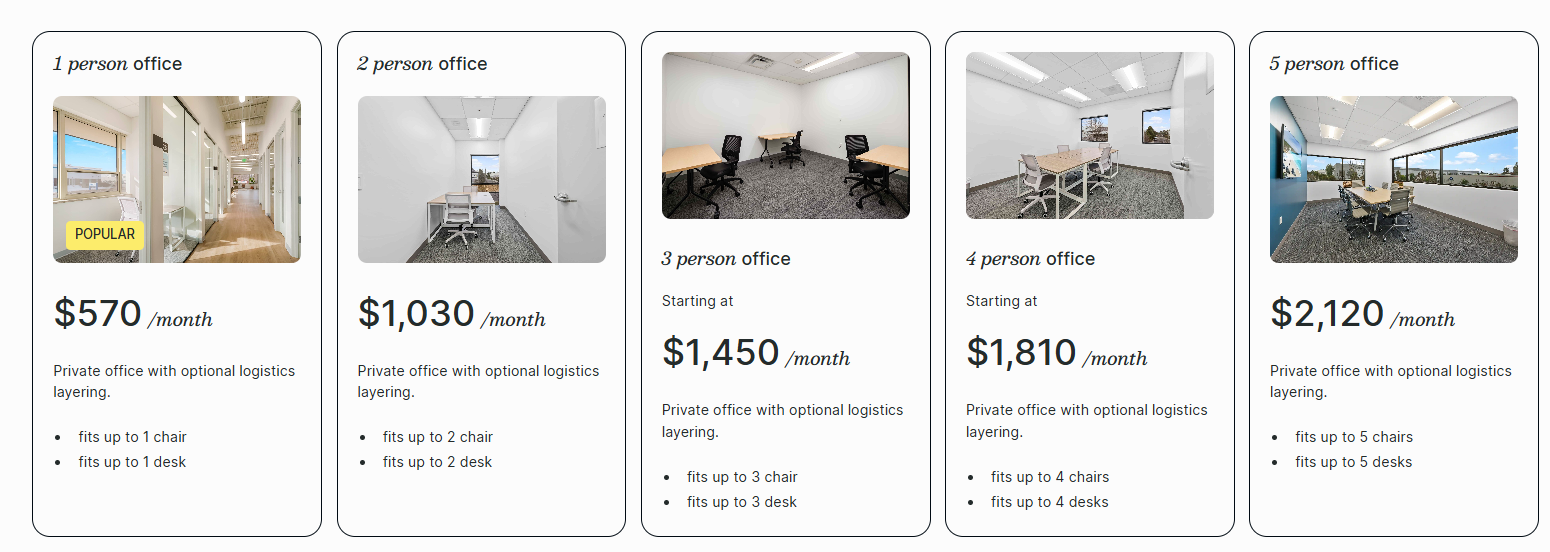
Office suites are priced separately:
- 1-person office: $570/month.
- 2-person office: $1,030/month.
- 3-person office: from $1,450/month.
- 4-person office: from $1,810/month.
- 5-person office: $2,120/month.
Reserved parking starts at $199/month, additional member access is $99/month, and equipment and furnishings are available on month-to-month terms.
💡 The suite size you take in March is not the suite size you are stuck with in November.
As billing is month-to-month, peak season can run from a Large suite and February from a Medium.
Book a tour in the building, and our team will help you figure out the space that works for your needs.
#2: Acme Distribution
Best for: Beverage and craft brewing brands that need refrigerated LTL alongside warehouse space in the Denver metro.
Locations: 1 Denver-area facility at 18101 E. Colfax Avenue in Aurora, CO, plus sites in Pennsylvania and Washington.
Acme Distribution has operated in Colorado since 1947 and pairs its warehousing with a company-owned fleet covering more than 1,000,000 miles a year.
The site has an indoor rail spur served directly by Union Pacific, so an inbound container can come off rail and into the building without a separate drayage move.
Amenities and benefits
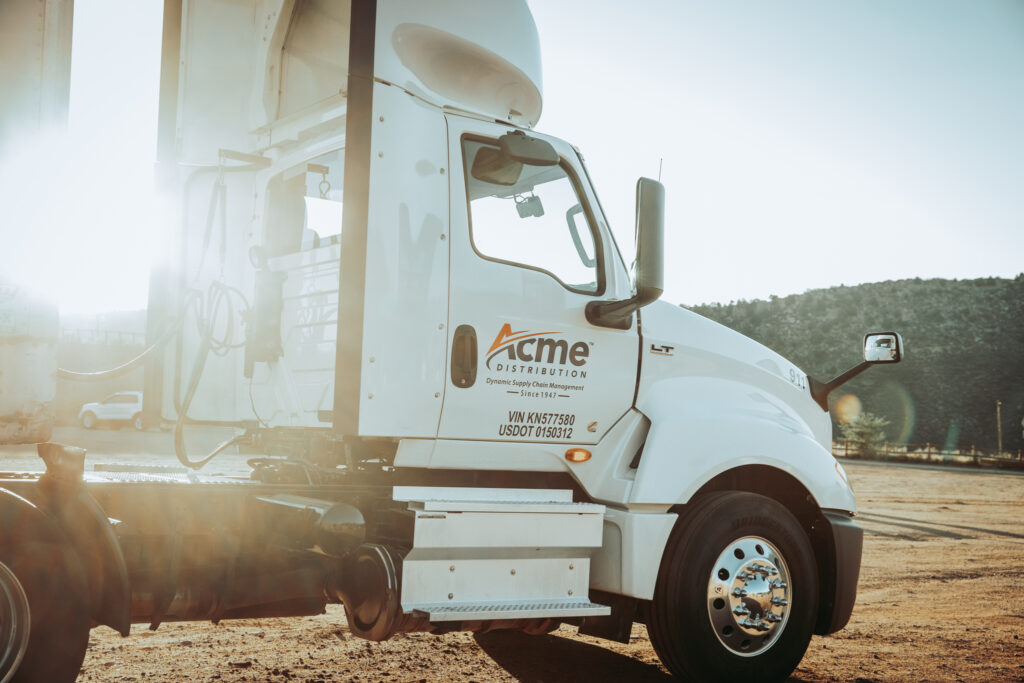
- An indoor rail spur on site served by Union Pacific, and BNSF access alongside it, giving two Class I options on inbound freight.
- Refrigerated LTL, named by the company as a market differentiator, running alongside dry LTL, truckload, flatbed, and curtain side equipment.
- Company-owned sleeper tractors, day cabs, straight trucks, dry van and refrigerated trailers, flatbeds, pup trailers, and sprinters, backed by roughly 15 to 16 partner carriers.
- Retail distribution, ecommerce fulfillment, warehousing, and supply chain management all run from the Aurora address, and freight claims processing stays in-house.
Pricing
Acme Distribution quotes each account individually, and its request form asks for pallets stored and orders per month before anything comes back.
Pros and cons
✅ An on-site Union Pacific rail spur, unique among the ten providers here.
✅ Refrigerated LTL as a standing service, backed by documented craft brewing experience.
✅ Founded in 1947, with nearly 80 years of Colorado trading behind the name.
❌ Trucking drives this business harder than parcel fulfillment does.
❌ Three states with a building is a narrower map than a national network offers.
#3: Crane Worldwide Logistics
Best for: Importers and exporters that want a Denver warehouse inside a global freight forwarding relationship.
Locations: 1 Denver-area warehouse at 18100 E 40th Avenue, Suite 10, in Aurora, CO. The wider office network runs internationally.
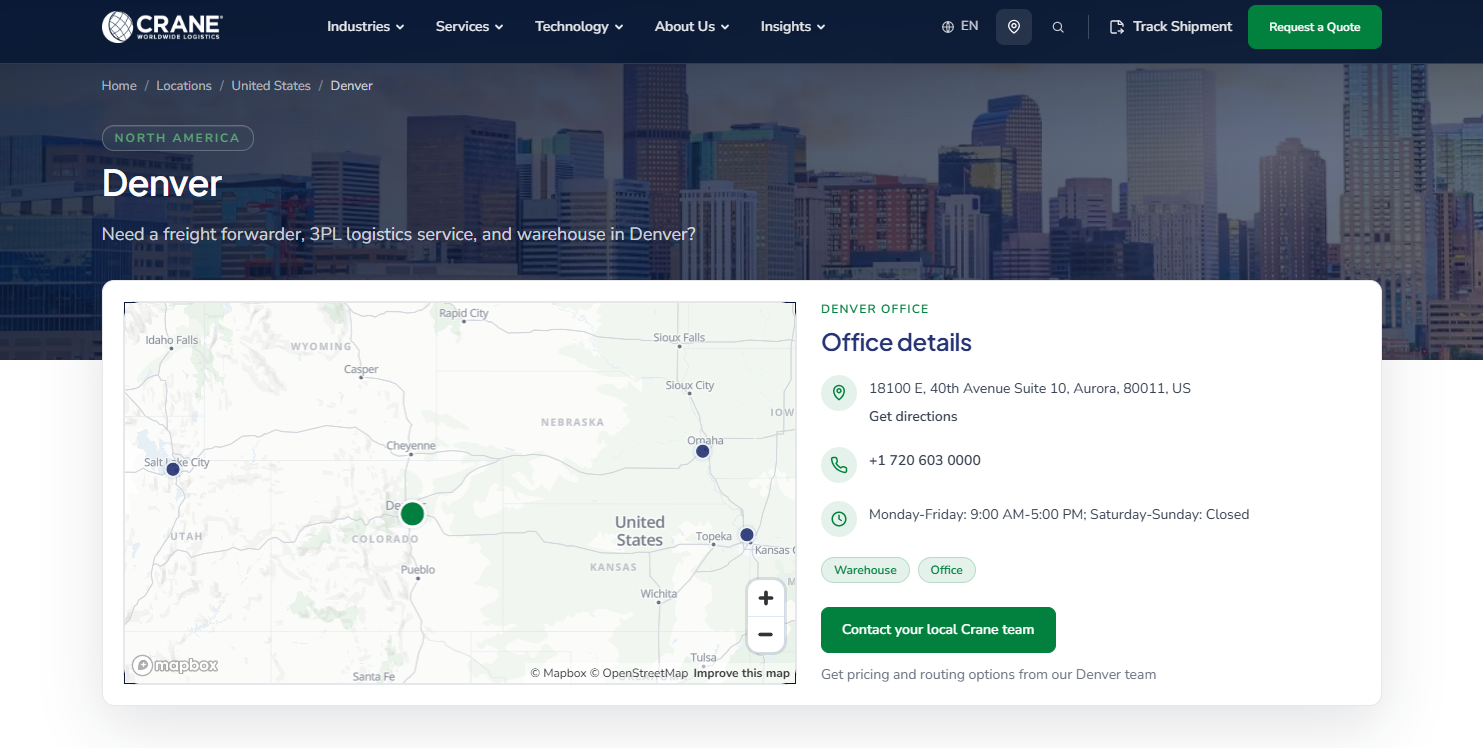
A 135,000 sq. ft. warehouse in Aurora carries Crane Worldwide Logistics' contract logistics and 3PL operations for the Denver market.
Customs work and freight forwarding come through the same account, which fits a brand whose inbound volume arrives from overseas and needs staging before it moves out.
Amenities and benefits
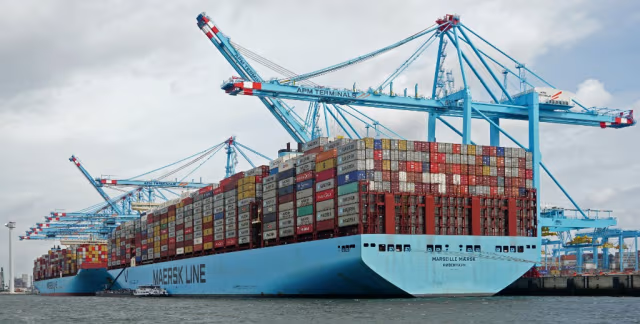
- 135,000 sq. ft. of warehousing and staging space for high-volume distribution.
- TSA-approved Indirect Air Carrier status for compliant, secure cargo movement.
- Denver International Airport roughly 13 miles out at a 20-minute drive, and BNSF Railway roughly 11 miles out at 16 minutes.
- Ocean freight as an NVOCC carrier covering FCL, LCL, breakbulk, and out-of-gauge cargo, plus customs brokerage and trade advisory on the same account.
Pricing
Crane Worldwide Logistics prices Denver programs individually.
The Denver team builds a number once it can see your lanes and how much of the warehouse the program needs.
Pros and cons
✅ Import volume and storage through one provider, from an Aurora warehouse inside a global forwarding network.
✅ Air, ocean, and ground freight plus customs brokerage available on a single account.
✅ Denver International Airport and the BNSF ramp are both about 20 minutes out.
❌ A domestic-only brand pays for international capability it will never touch.
#4: Aspen Distribution
Best for: Manufacturers, wholesalers, and distributors moving pallet-in, pallet-out B2B volume that includes import freight.
Locations: 1 distribution center at 19503 E 34th Dr in Aurora, CO.
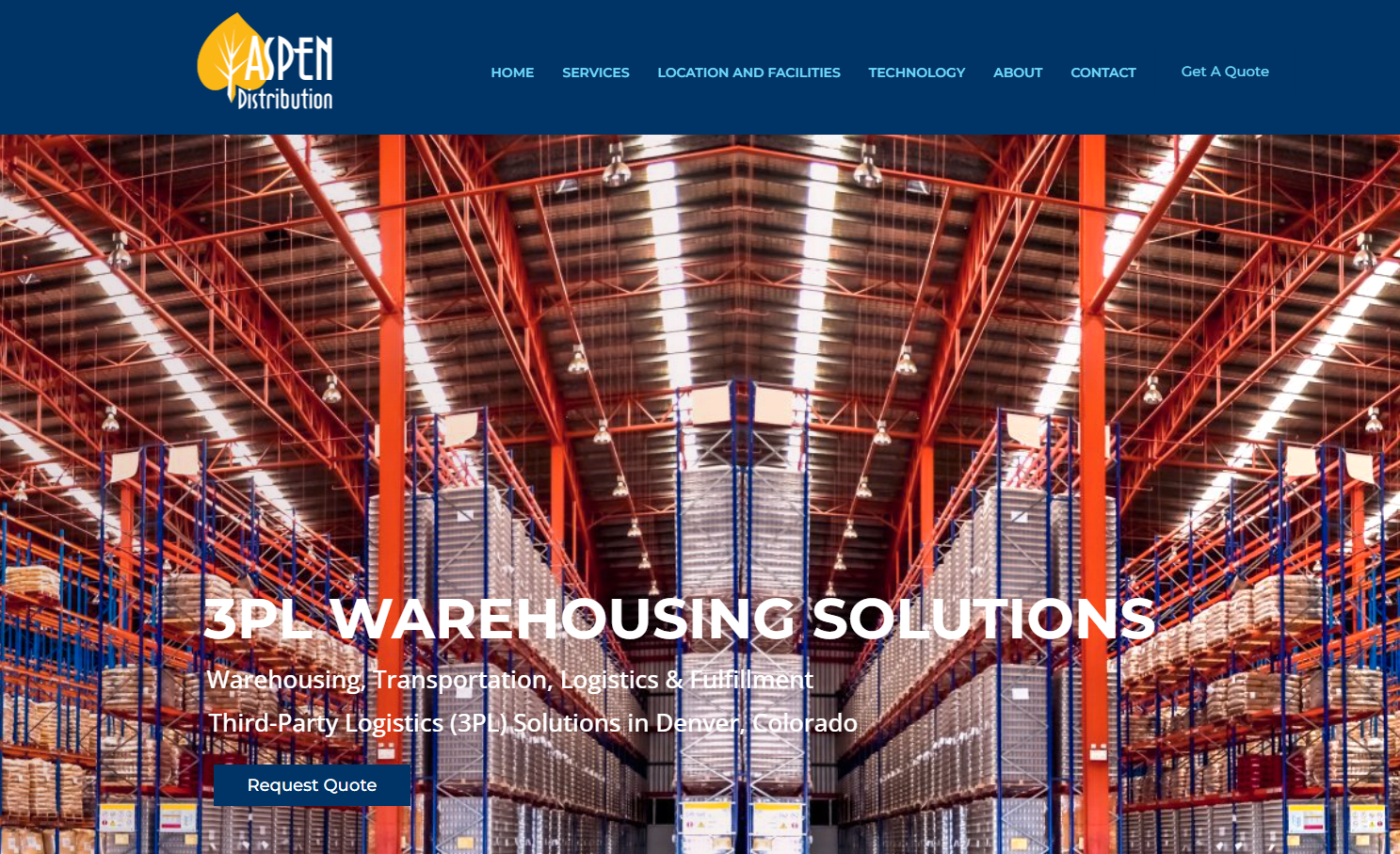
Aspen Distribution has run warehousing and transportation in Colorado for more than 40 years and holds both Container Freight Station and Customs Examination Station capability.
Amenities and benefits

- Container Freight Station and Customs Examination Station capability for import and export programs.
- Climate-controlled space with dedicated staging areas and modern racking, built for pallet-in, pallet-out B2B distribution.
- Integrations with major ERP and EDI systems, and every order gets tracked through the warehouse management system from receiving to outbound shipment.
- Kitting and bundling, custom packaging, and cross-docking, along with handling for fragile, oversized, and high-value freight.
- A named point of contact on every account, not a rotating call center.
Pricing
Aspen Distribution prices by request, and its quote form splits the conversation three ways from the start: warehousing, transportation, or container services.
Pros and cons
✅ Container Freight Station and Customs Examination Station capability at a Denver-metro address.
✅ More than four decades operating in Colorado, and a named contact on each account.
✅ Short-term seasonal space and long-term storage available in the same building.
❌ Manufacturing, medical, technology, and government accounts share this floor. A consumer brand shipping single parcels is a different animal.
#5: South Seas Data
Best for: Technology and high-value electronics brands that need bonded, access-controlled storage in south Denver.
Locations: 1 warehouse at 8536 Concord Center Drive in Englewood, CO, plus a sister facility in St. Louis, MO.
South Seas Data runs a warehouse of more than 54,000 sq. ft. in the Denver Tech Center area of Englewood, built around technology lifecycle management.
Amenities and benefits
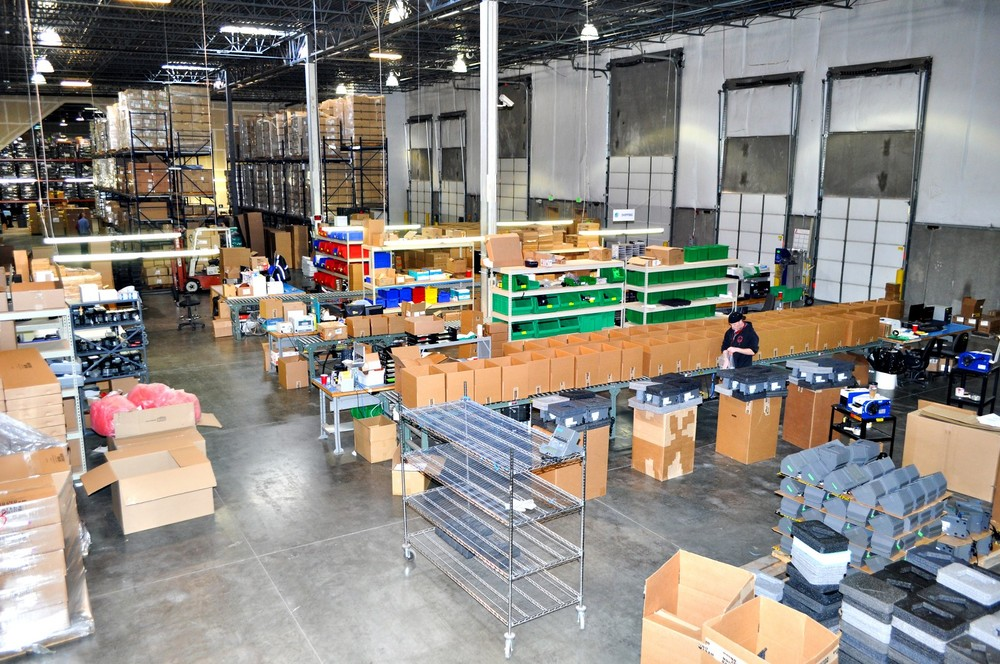
- More than 54,000 sq. ft. that is bonded and insured, behind a gated courtyard, and card readers control every exterior door.
- A sister facility in St. Louis, MO, available for disaster recovery planning and weather diversions.
- B2B and B2C orders both handled, covering inventory, picking, packing, kitting, and returns.
- Custom return-management processes designed per client, covering restocking, repairs, and disposal.
- Custom labels, packaging, and closure tapes, together with inserts, printouts, and instructional guides built into kitting work.
Pricing
No rates are posted publicly.
The local line is (303) 799-1500 with a toll-free option at (888) 773-2656, and the company writes service-level agreements around on-time delivery.
Pros and cons
✅ Bonded and insured, behind card-controlled doors, a good match for high-value hardware.
✅ A second facility in St. Louis for weather and disaster recovery routing.
✅ Returns, restocking, repairs, and disposal designed around each client.
❌ Hundreds of pallet positions would fill a 54,000 sq. ft. footprint quickly.
❌ Food and beverage categories fall outside a technology lifecycle specialty.
#6: Boxstars
Best for: Colorado businesses that need cross-docking or overflow storage without a long commitment.
Locations: 1 facility at 5555 Joliet St, Suite 125, in Denver, CO.
Boxstars is a full-service warehousing operation in Denver's 80239 ZIP code that handles inbound and outbound freight as well as storage, and cross-docking is the service it leads with.
On-demand overflow capacity forms part of the offer, useful for a brand that needs somewhere to put a container that landed ahead of schedule.
Amenities and benefits
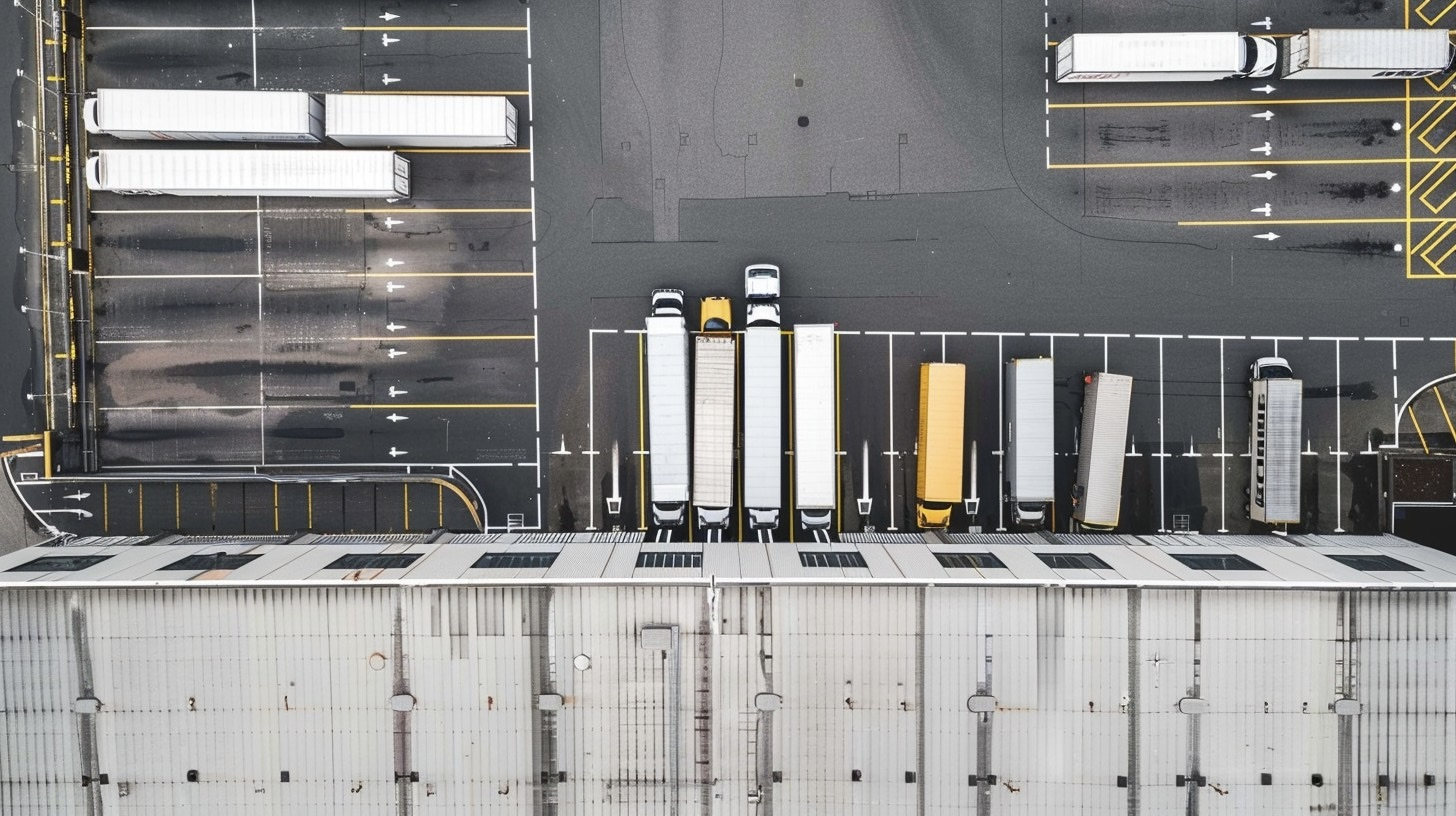
- Cross-docking that moves inbound shipments onto outbound trucks with minimal storage time in between.
- Overflow storage on demand for early arrivals and seasonal volume.
- On-site personnel support and active inventory software.
- Licensed, bonded, and insured commercial storage.
Pricing
Boxstars runs on a free quote and publishes no rate structure.
Call (303) 647-3036 or use the request form. The team answers Monday to Friday, 8:00 AM to 4:00 PM.
Pros and cons
✅ Cross-docking as a core service, cutting handling on freight that moves straight through.
✅ On-demand overflow capacity, useful for a container that arrives before you planned for it.
✅ On-site staff and inventory software behind a licensed and bonded operation.
❌ Weekday dock hours end at 4:00 PM, which is tight against a late shipping cutoff.
#7: 5 Logistics
Best for: Shopify, BigCommerce, and Amazon sellers that want ecommerce pick and pack from a single Denver building.
Locations: A single Denver, CO building at 6750 E 46th Avenue Drive, Suite 400.
5 Logistics handles picking and packing, warehousing, kitting, and small parcel and LTL shipping out of one Denver address in the 80216 ZIP code.
The company runs a cloud WMS aimed at ecommerce and omnichannel work, and it puts its emphasis on order processing speed.
Amenities and benefits
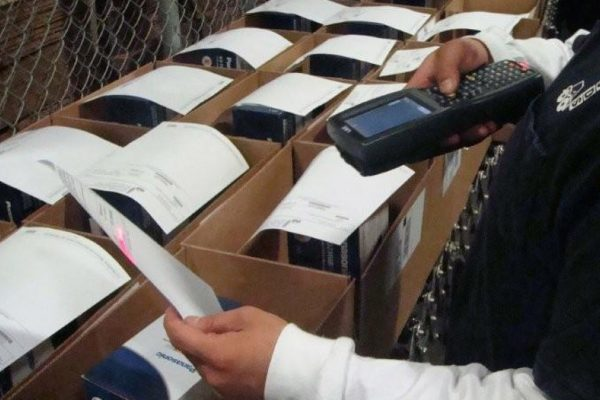
- A cloud WMS the company describes as specialized in ecommerce and omnichannel order flow.
- Direct integrations with Shopify, BigCommerce, and Amazon.
- Kitting and assembly on the same floor as the picking and packing operation.
- Small parcel and LTL shipping handled by the same team.
Pricing
5 Logistics keeps its pricing off the website. A quote starts with the request form or a call to (720) 336-5123.
Pros and cons
✅ A cloud WMS aimed squarely at ecommerce and omnichannel order volume.
✅ Marketplace and storefront integrations built and running, with no custom work needed.
✅ One Denver building keeping inventory in a single location.
❌ Regulated food categories want published temperature control and certifications. Neither appears here, so worth checking with them.
#8: The Shipping Depot
Best for: Brands shipping fragile or oddly shaped products that want crating built where the orders get packed.
Locations: 1 location at 3301 W Hampden Ave in Englewood, CO, serving the Denver metro.
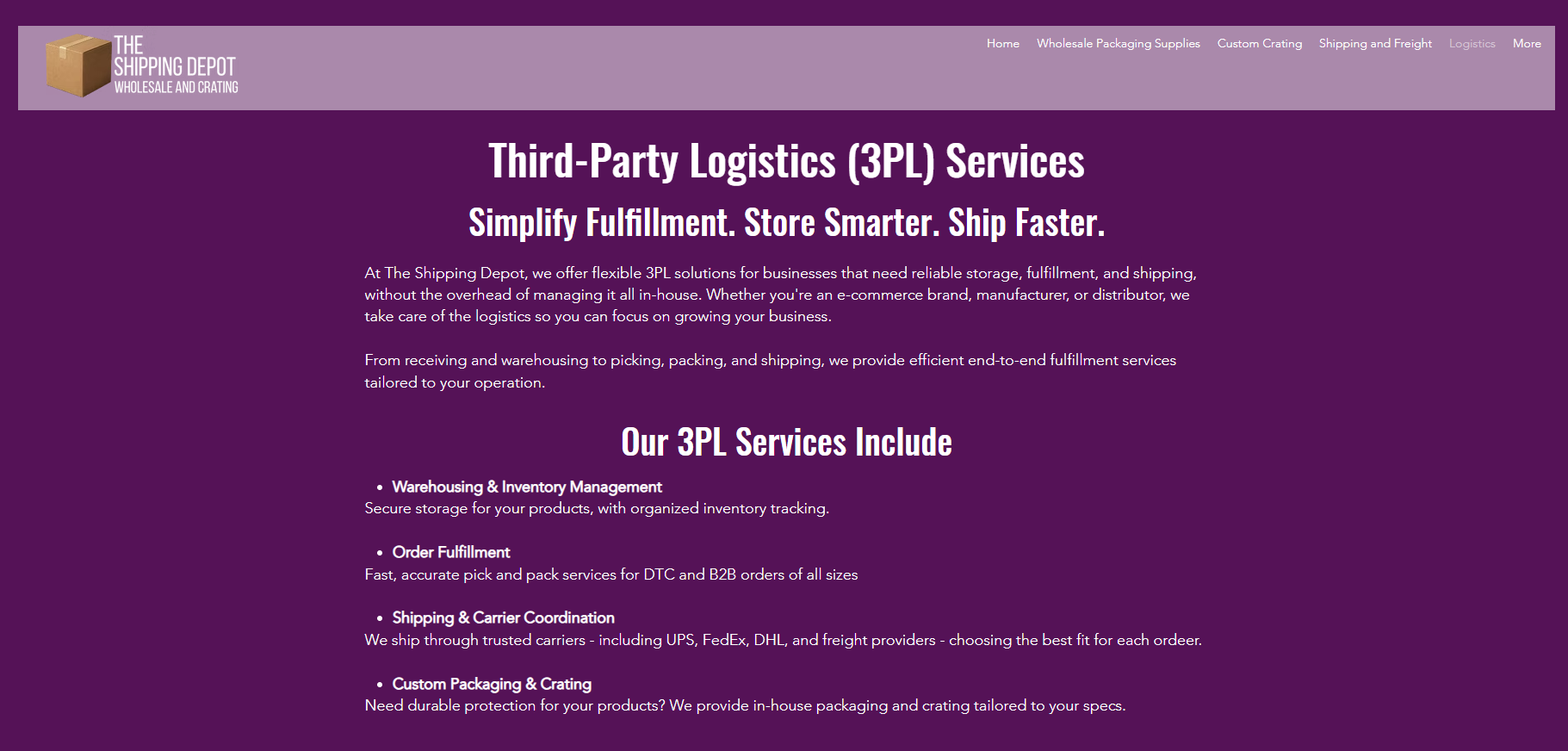
The Shipping Depot combines 3PL fulfillment with in-house packaging and crating, which usually takes two separate vendors in this market.
For a brand shipping something fragile, oversized, or awkwardly shaped, having the crate built on site removes a handoff from the process.
Amenities and benefits
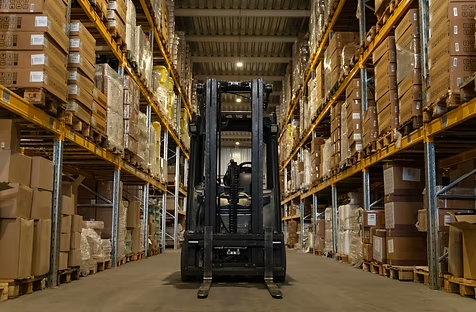
- Secure product storage, and the team keeps inventory tracked and organized.
- DTC and B2B order fulfillment at any order size, picked and packed on site.
- UPS, FedEx, DHL, and freight carriers all available, and the choice gets made order by order.
- Custom packaging and crating built in-house to your specifications, alongside a wholesale packaging supplies business.
- No rigid contracts, and a local team that answers the phone directly.
Pricing
Quotes come from the Englewood team, and nothing is published on the site.
Contact runs through (303) 762-8881 or the wholesale email address on the contact page.
Pros and cons
✅ Crating and packaging supplies produced in-house, next to the fulfillment floor.
✅ A local Englewood team working without rigid contract terms.
✅ Carriers compared per order, and DHL is available as well as UPS and FedEx.
❌ Automation and integration questions land better on a phone call than on this website.
❌ The trade here is crates and packaging supplies, making a high-volume parcel program an unusual account.
#9: Sams 3PL Solutions
Best for: Aerospace, data center, and energy programs moving high-value or oversized freight through the Front Range.
Locations: Denver listed as 1 of 15 anchor markets in a national network. No metro street address is published.
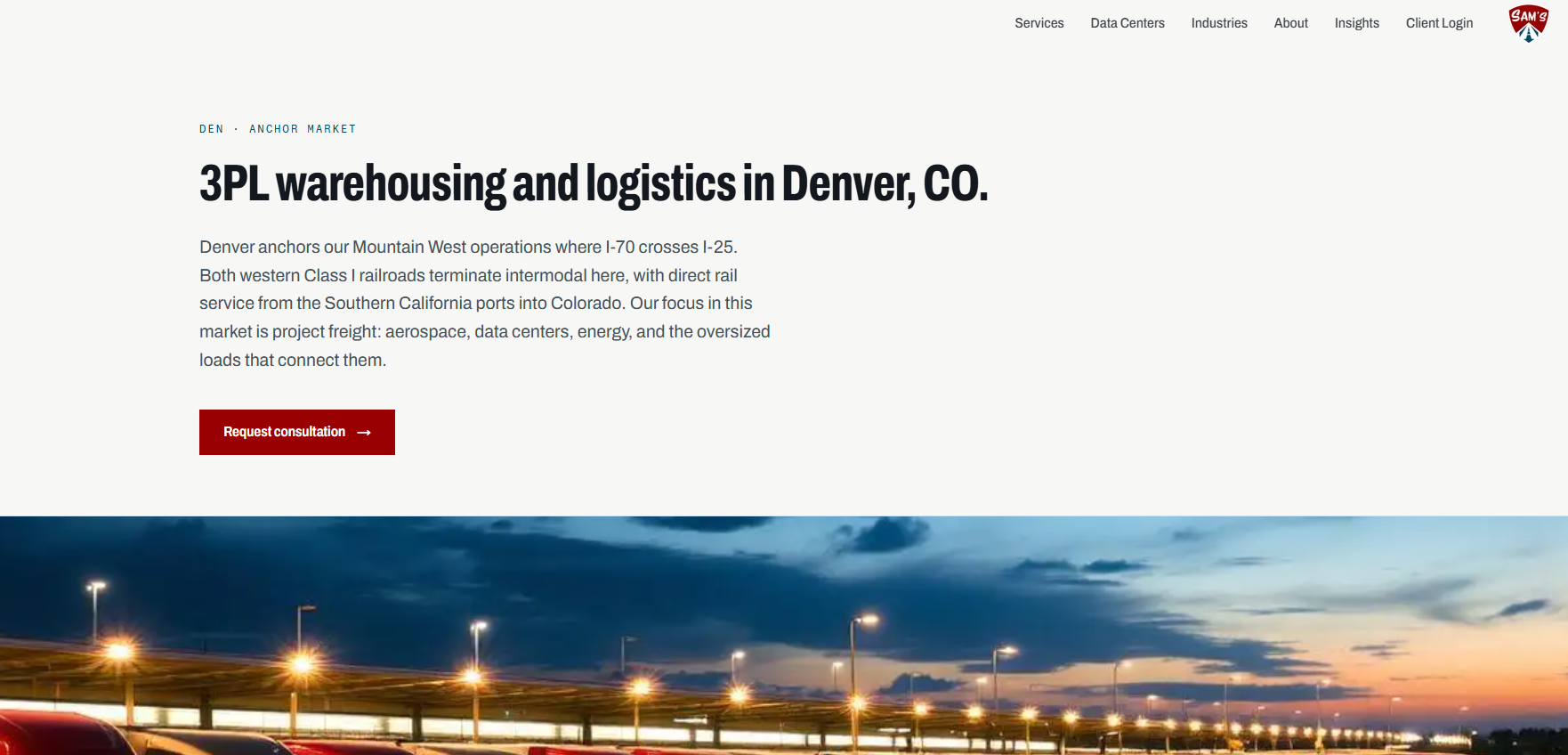
Sams 3PL Solutions reads Denver as a project freight market and not a parcel market, and its published focus covers aerospace, data centers, energy work, and oversized loads.
That focus covers work no fulfillment floor would touch, such as a wind turbine blade over 110 feet or a power transformer that lands before its substation pad is ready.
Amenities and benefits
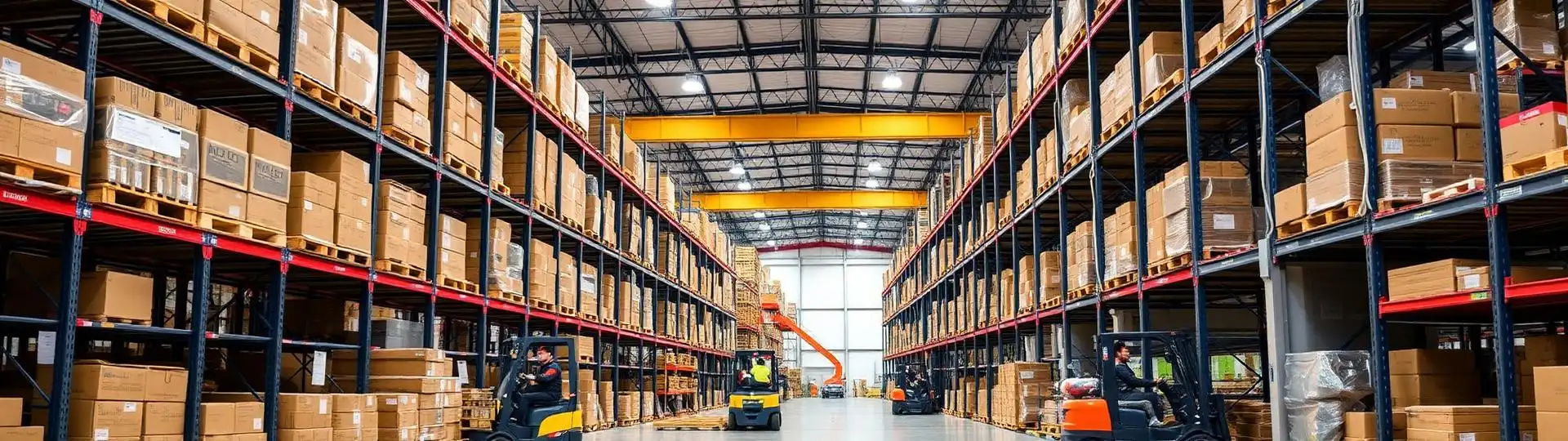
- ITAR-aware handling with secure staging and documented chain of custody, aimed at the Colorado aerospace base around Littleton and Broomfield.
- Data center equipment staging, receiving switchgear, generators, and racks years ahead of install dates and sequencing them to the construction schedule.
- Heavy haul and superload coordination, which on a Vestas blade run means Colorado permits, escorts, a route survey, and bridge analysis.
- Transformer and grid equipment staging, holding an imported unit that lands ahead of schedule and then permitting and rigging the last leg to the substation.
- Intermodal coordination through the BNSF and Union Pacific terminals, both of which terminate lift inside metro Denver.
Pricing
Programs here get scoped, not quoted off a rate card.
The intake form asks for locations needed, pallet and container volume, contract duration, and whether international operations are in scope.
Pros and cons
✅ Project logistics depth that none of the other nine providers publishes.
✅ Denver as one node of a 15-market network, meaning a second market does not mean a second vendor.
✅ Rail moving straight out of the San Pedro Bay ports and into Colorado.
❌ Neither a Denver street address nor a square footage figure appears on the site.
❌ Consumer ecommerce falls well outside a focus built on aerospace, energy, semiconductors, and construction freight.
#10: XPDEL
Best for: Growing ecommerce brands that want automation-led fulfillment with named coverage across the Denver suburbs.
Locations: 1 Denver fulfillment center inside a network across the U.S., Canada, Amsterdam, and India, run from a head office in Westlake Village, CA.
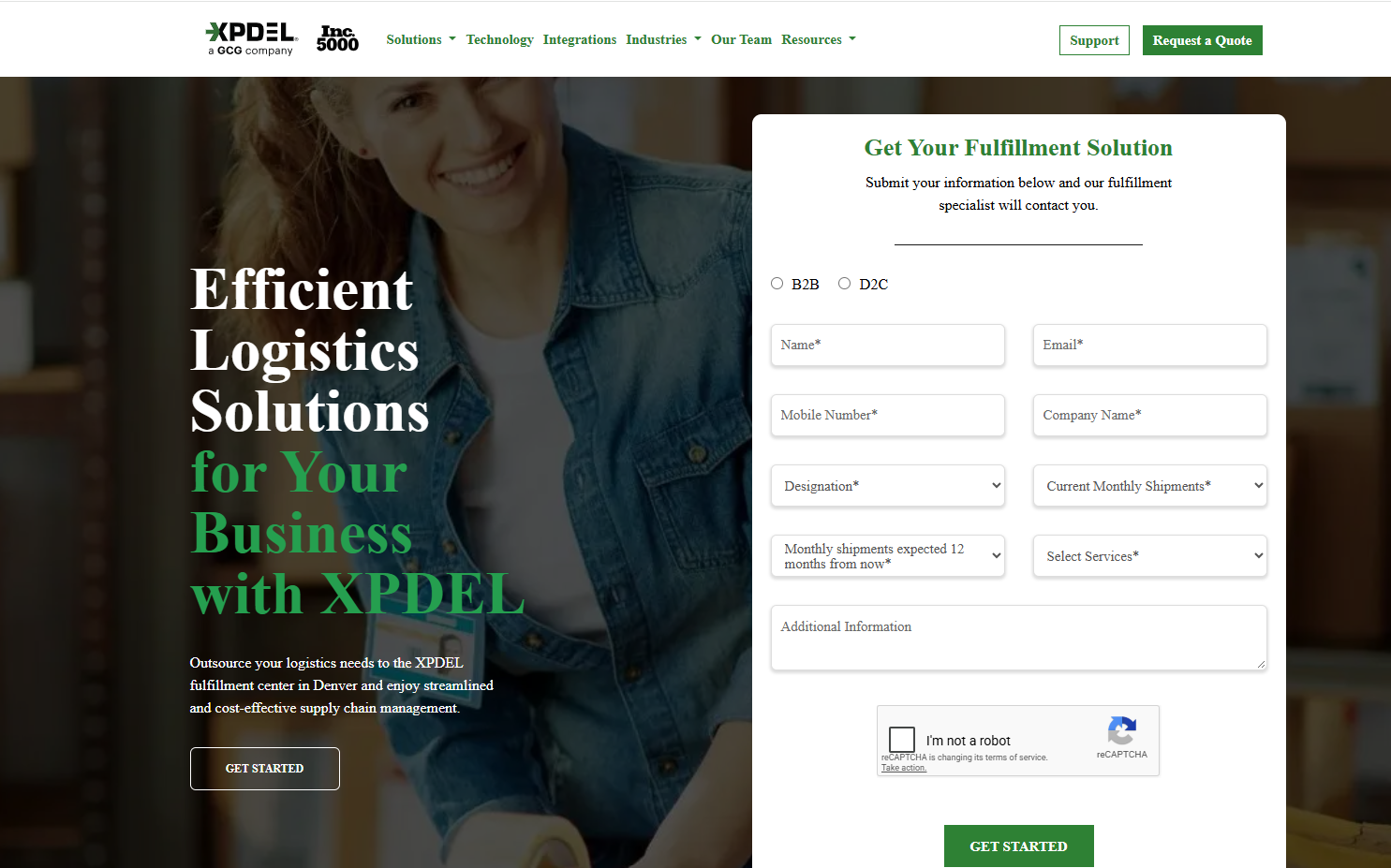
XPDEL operates a fulfillment center in Denver and names the metro municipalities it covers, from Commerce City and Aurora out to Northglenn and Lakewood.
The company names automation and real-time tracking as its differentiators, and it takes both B2B and D2C programs through the same operation.
Amenities and benefits
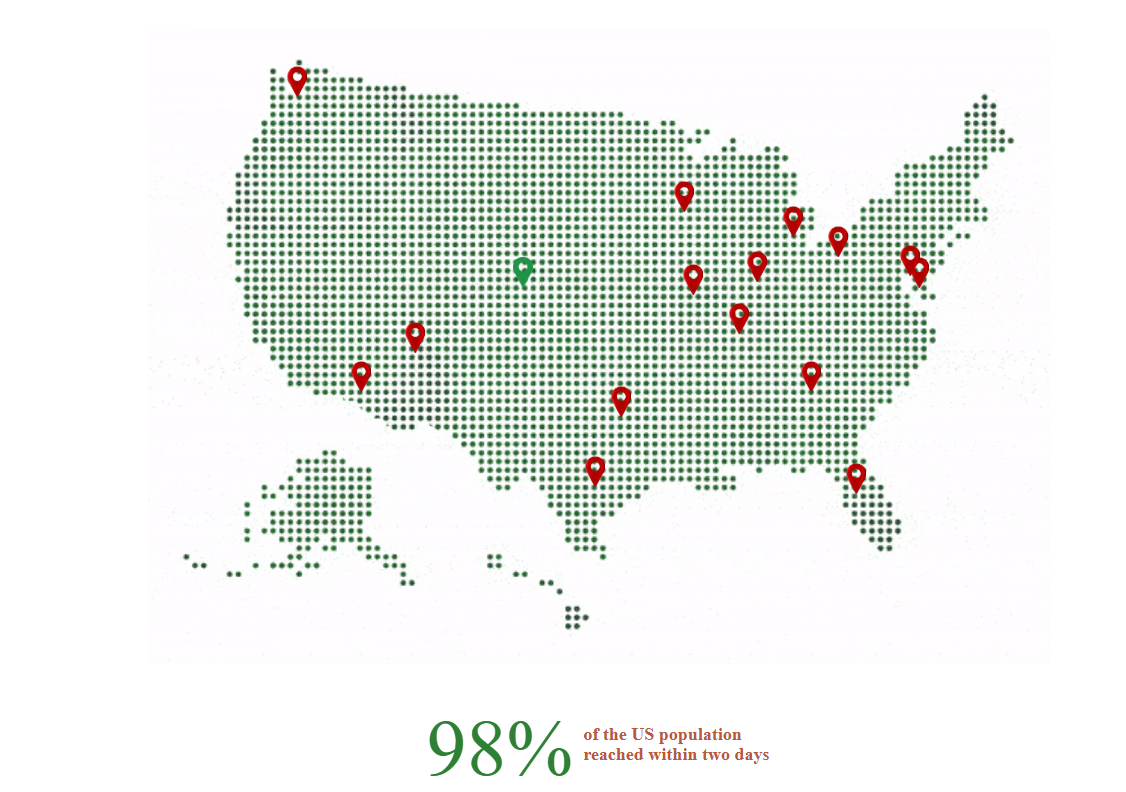
- Published Denver-metro coverage across Wheat Ridge, Lakewood, Commerce City, Englewood, Arvada, Westminster, Federal Heights, Aurora, Greenwood Village, Littleton, Thornton, and Northglenn.
- Automation and real-time tracking applied across the fulfillment process.
- Managed labor solutions and returns handling available on the same account as fulfillment.
- Published category focus on beverage and packaged food, beauty and wellness, sportswear and apparel, plus subscription and rental models.
Pricing
XPDEL scopes pricing per account.
Its intake form asks for current monthly shipments and the volume you expect twelve months out, then routes you to a fulfillment specialist.
Pros and cons
✅ Published coverage across a dozen named Denver-metro municipalities.
✅ Section 321 de minimis handling for cross-border volume.
✅ Managed labor and returns available alongside standard fulfillment.
❌ Pricing is not public.
Why do Denver brands look past the 3PL model?
Denver brands look past the 3PL model when the pricing stops fitting what they actually ship.
The ten providers above cover a lot of ground between them, from Class A food-grade space and customs examination capability through to superload permitting.
None of that is cheap to build alone, and for a brand moving steady pallet volume, outsourcing is usually the right answer.
The friction turns up in a few predictable places here.
⚠️ The points below cover general industry structure. None of them describes terms published by any of the ten providers above.
Oversized and regulated products get priced as exceptions
Oversized and regulated products get priced as exceptions because a standard pack rate assumes a box that fits a standard shelf.
Colorado is home to a large cluster of outdoor and athletic apparel brands, alongside a thriving craft beverage scene.
Metro 3PLs have answered that with oversized handling for packs, skis, boards, paddleboards, and e-bikes, and with hazmat-trained crews for ground-only lithium-ion and aerosols.
Those are exactly the SKUs that fall outside a standard pick.
A standard pick rate covers a standard box. B2B receiving and value-added work like kitting, labeling, and hazmat segregation get priced on separate lines.
If half your catalog needs two people and a strap, more of your invoice lands in that column.
A regional node usually means a second agreement
A Denver-only fulfillment setup covers the inland West well and the coasts poorly, which is why a national brand often ends up holding two agreements.
One-day ground out of Denver reaches roughly 35 million consumers, covering the whole of Colorado plus Utah, Wyoming, New Mexico, and the western halves of Kansas and Nebraska.
Four-day ground reaches 51.1% of the U.S. population, weighted average transit is 3.96 days, and Denver ranks #573 of 888 U.S. origins on transit speed.
That profile is a regional specialist, not a national hub. Brands whose primary node is Los Angeles, Dallas, or somewhere coastal tend to bring Denver in as a third leg out west.
Two agreements also mean two onboarding processes and two invoices to reconcile against a single set of orders.
Terms signed in a tight market do not reprice when the market loosens
A warehousing agreement signed in 2022 does not reprice itself now that Denver vacancy has reached a decade high.
Metro industrial rents average roughly $9.00 to $9.70 per sq. ft. NNN on 2025 CBRE benchmarks, and vacancy runs in the 7.9% to 9.8% range.
Landlords have started conceding rent-free periods and improvement allowances that nobody offered when the market was tight in 2021 to 2023.
A two- or three-year term with a monthly volume commitment locks in the conditions of the year you signed it. The market underneath moves anyway.
➡️ Agreement length is negotiable more often than brands assume, so ask about seasonal and short-term structures on the first call.
Put your inventory back within arm's reach at Saltbox Denver
Ten minutes on the floor at 4800 Dahlia St answers the question a rate sheet cannot, which is whether you want to reach your own pallets on a Tuesday afternoon.
This market spans a lot, from a 330,000 sq. ft. SQF-certified building in Commerce City down to a crating shop in Englewood. Most of these ten will serve you well when your category matches what they were built for.
What a Saltbox Denver membership gives you that a 3PL agreement does not:
- Your own key to a private suite that nobody else works in.
- Month-to-month billing with no annual lock-in, so a slow February means downsizing a suite and nothing more.
- Inventory receiving included and daily on-site pickups from major carriers, so no post office lines and no lift gate fees.
- S.O.S. hours when a launch week needs extra hands on the floor, and Saltbox Fulfillment when you want the picking and packing handled.
- Conference rooms and two content studios in the same building as your inventory.
- I-70 and I-270 five minutes out in both directions, and downtown Denver five miles away.
The entry point is $420/month for a Starter suite, the ceiling is $10,980/month for 19,510 sq. ft., and every tier in between runs month-to-month.
You can book a tour to walk the building, talk to an expert about switching off a 3PL, or start with Access Plans while you decide on suite size.
⚠️ Disclaimer: This article was last updated on October 14, 2026, and if there's any misinterpretation of the information, please contact us, and we will fact-check it.
Frequently asked questions
Yes. The parallel-run method lets you migrate inventory and orders to a new provider while your current 3PL continues to fulfill. The key is sequencing the move by SKU, starting with slow-movers, and setting clear rules for which provider handles which orders during the overlap.
Request a fully itemized invoice and add up every fee that touches a single order: pick fee, pack fee, materials, carrier rate, and any applicable surcharges. Divide that total by your order count for the period. Don't use your quoted rate as the baseline. Use the actual invoice.
Co-warehousing differs from a traditional 3PL in that it gives small businesses direct access to their inventory, flexible terms, and on-site resources.
Traditional 3PLs give you access to shared fulfillment infrastructure on their terms. Saltbox is a co-warehousing model, which means members get private warehouse suites they control, an on-site team that's physically present, and access to Parsel, Saltbox's shipping platform partner, for discounted shipping and real-time tracking.
The model is built for founders who want the support of a fulfillment partner without giving up visibility and control. Read more here about how Saltbox compares to traditional third-party logistics providers.


.jpg)