
.png)


Key takeaways
- Saltbox offers the best alternative to UPS Supply Chain Solutions in 2026 for DTC brands looking for a private warehouse suite, operations support, discounted shipping, and month-to-month billing with no long leases.
- WareSpace, Cubework, Portal Warehousing, FlexHQ, ReadySpaces, and WorkHub make up the rest of the co-warehousing field, each renting you four walls and the shared gear to run from them.
- Flowspace, FedEx Fulfillment, and Flexe are the outsourced-3PL picks, though trading one enterprise 3PL for another tends to relocate the problem without fixing it.
I will walk through the 10 best UPS Supply Chain Solutions alternatives across two camps: flexible co-warehousing operators that will help you retain control, and outsourced 3PLs that operate on the same model as UPS Supply Chain Solutions.
What are the best alternatives to UPS Supply Chain Solutions in 2026?
The best alternatives to UPS Supply Chain Solutions in 2026 are Saltbox, WareSpace, and Cubework.
Saltbox is ideal for growth-stage ecommerce brands that want to keep control of their inventory and control fulfillment while still getting operational support, while Flowspace is the closest fit to UPS Supply Chain Solutions for anyone set on staying outsourced.
Here’s our full shortlist:
What are the best co-warehousing alternatives to UPS Supply Chain Solutions in 2026?
The best co-warehousing alternatives to UPS Supply Chain Solutions are Saltbox, WareSpace, Cubework, Portal Warehousing, ReadySpaces, FlexHQ, and WorkHub.
With a 3PL, your stock disappears into someone else's building, and you track it through a dashboard.
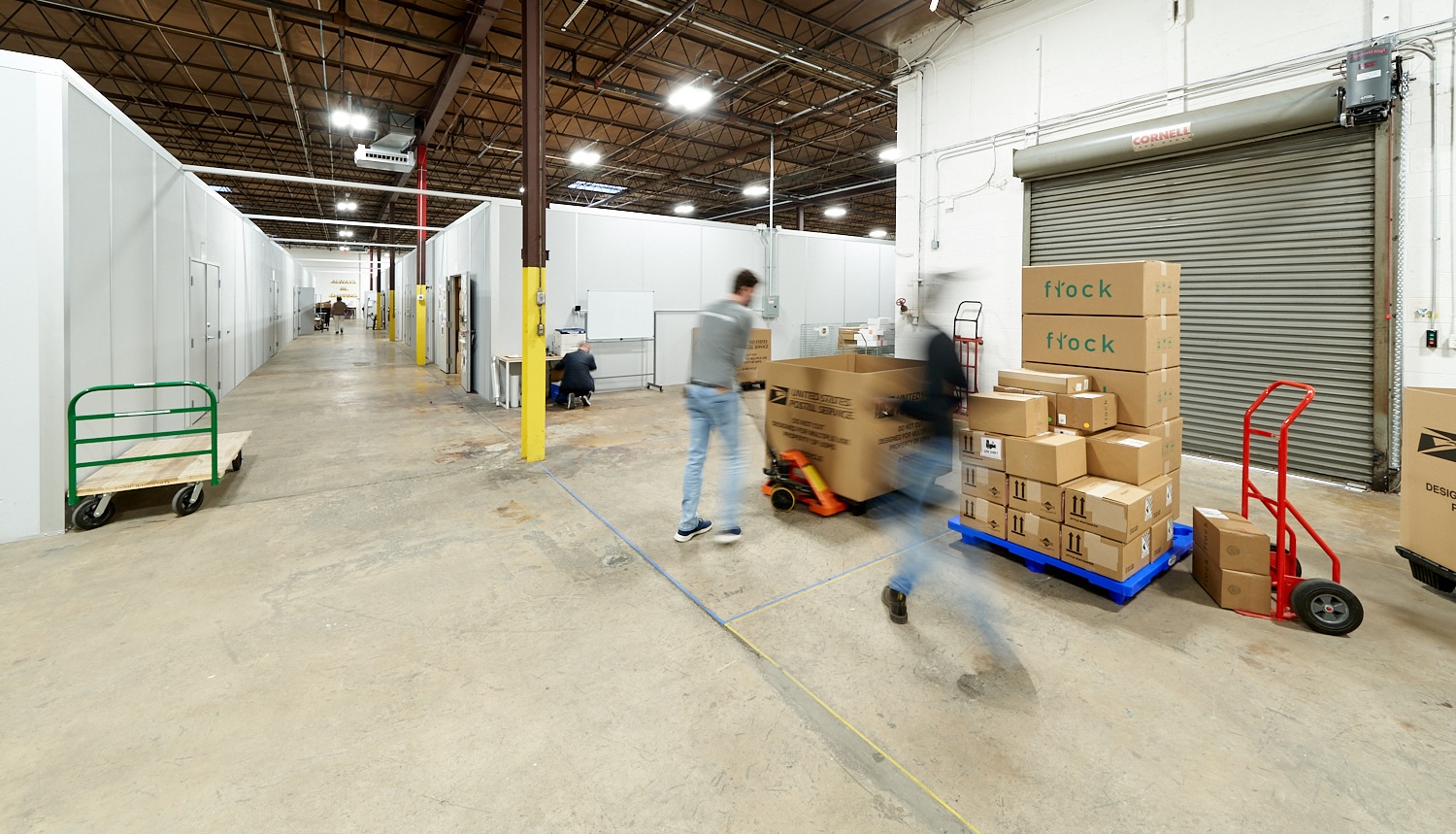
With co-warehousing, you can rent a private suite, keep your own keys, and decide for yourself whether to pack the orders or pay someone on-site to handle them.
Here are the best co-warehousing alternatives to UPS Supply Chain Solutions:
#1: Saltbox
Saltbox offers the best alternative to UPS Supply Chain Solutions for growth-stage DTC brands, as you’ll get a warehouse of your own from the very first month with no multi-year leases and lock-ins to get your control back.
The membership includes a lockable suite that you can enter at any time during working hours, daily carrier pickups, on-demand operations support when you need it, and shipping rates that normally take a 3PL to unlock.
Disclosure: Even though Saltbox is our co-warehousing solution, I’ll provide an unbiased analysis of what makes us the best UPS Supply Chain Solutions alternative in 2026.
Warehouse and office space that grows with you
Saltbox suites run from 70 to 5,000+ sq. ft., billed monthly, and you can move up or down a size as your order count swings.
If you want an office, it goes in the same building as your shelves, so the team and the inventory share one address.
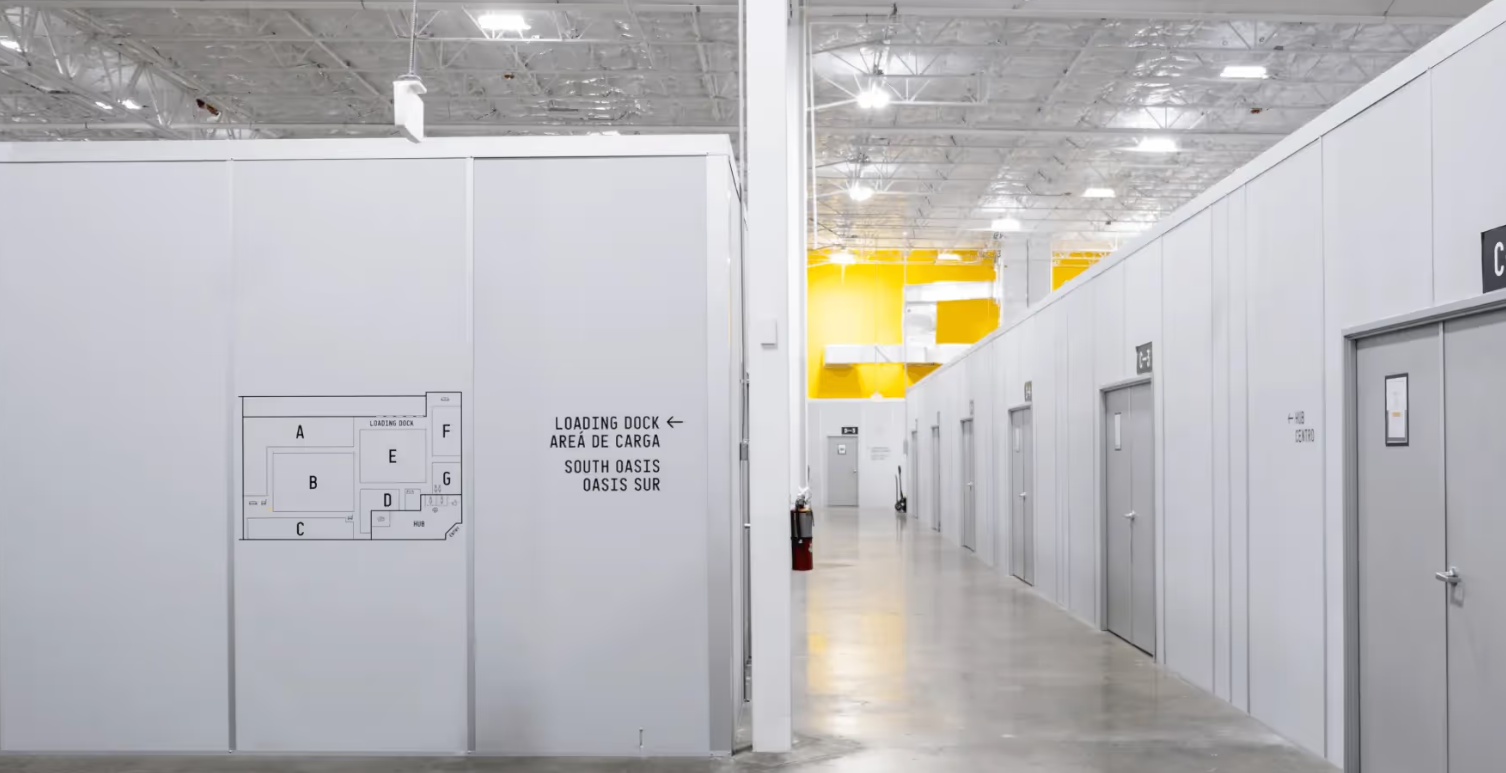
The four sizes map to the stages I see most often:
- Small: 70 to 250 sq. ft., room for 4 to 15 pallets and 1 to 2 people. The right call for a solo founder or a tiny team that wants four walls of their own.
- Medium: 250 to 500 sq. ft., 16 to 31 pallets, up to 4 people. A fit once the catalog starts outgrowing the small suite.
- Large: 500 to 1,000 sq. ft., 32 to 62 pallets, as many as 10 people. Built for a deeper SKU list and daily outbound volume.
- Extra Large: 1,000 to 5,000+ sq. ft., 63 to 125 pallets, teams up to 50. For established brands that need serious storage.
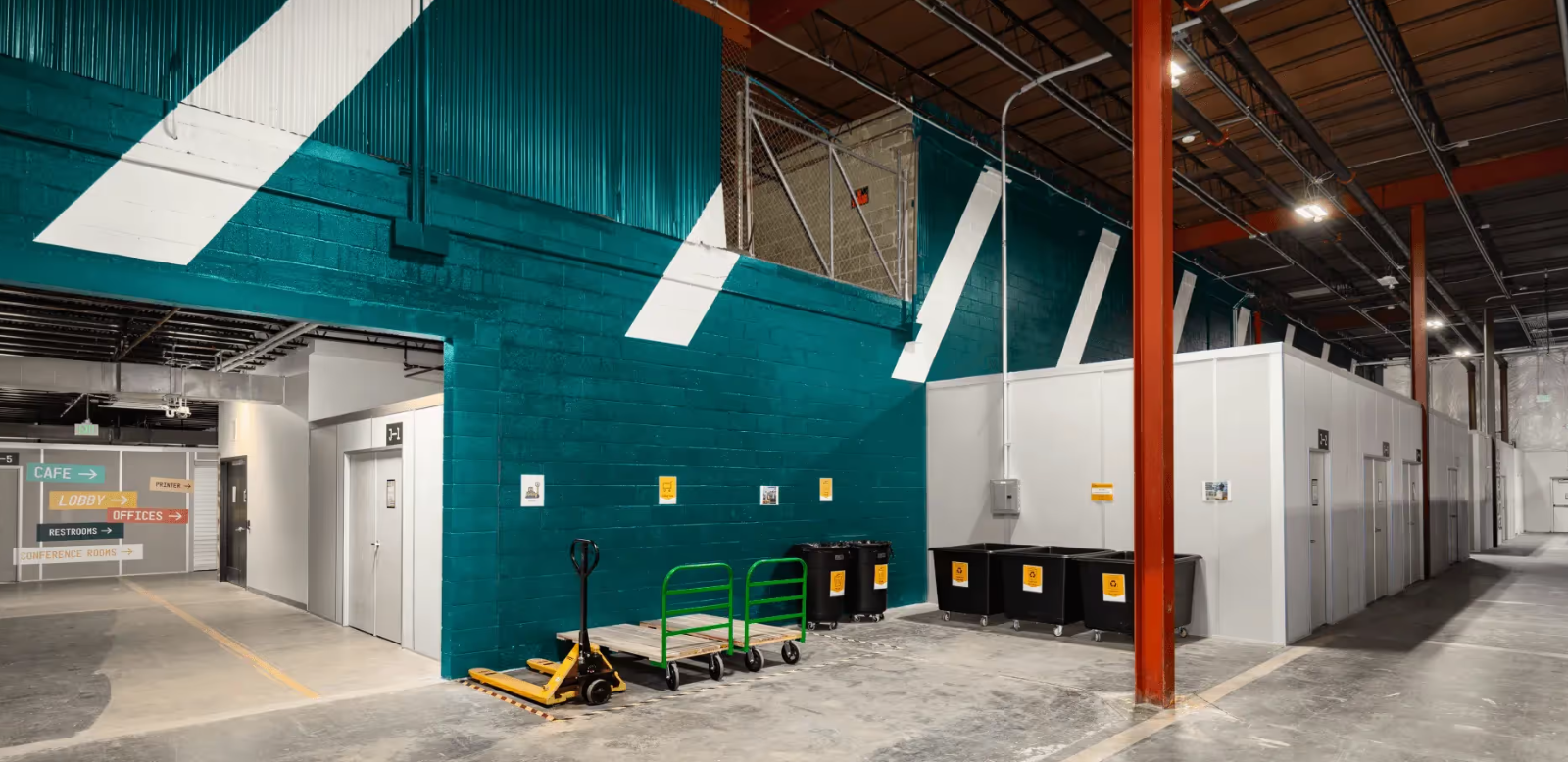
You can start small and grow into a bigger suite, or take the larger one now and trim back later. Either direction is fine.
💡 If you book a tour with us at one of our locations, our on-site managers will help you select the size needed for your use case, and then you’ll be able to scale up or downsize as demand shifts.

Not ready for a warehouse suite yet?
A Saltbox Access Plan gives you a mailing address, receiving services, discounted rates, on-site labor, and an entrepreneur network without a warehouse lease.
Explore Access PlansThe operations help that comes with the keys
Saltbox runs on three operation models, and you pick the one that matches the week (there’s no need to sign a contract just to get help when you need it):
- Do it all yourself.
- Split the work with our crew.
- Hand fulfillment off entirely when a launch or a holiday rush lands.
The membership carries the operational backbone that small teams rarely manage to staff alone:
- Carriers collect from the building every weekday, so labeled orders leave without anyone making a post-office trip.
- Loading docks take in freight and pallets, with no separate yard to rent.
- You keep an eye on your own inventory, with the people packing it working a few steps away.
- Saltbox Fulfillment for on-demand labor: hourly help for packing, inbounding, kitting, and inventory work during launches and peak weeks. Our pricing for fulfillment is $3 per pick, and our operational services start from $45/hour.
- Inbound receiving is handled for you, since the crew signs for freight and stows it in your suite even on the days you never show up.
- Round that out with 120V power in the suite, fast Wi-Fi, bookable meeting rooms, a photo and video studio, a kitchen, pallet jacks, and security on around the clock.
- Content studio: a professional product photo and video studio sits inside the facility.
➡️ Brands like Chunks run their day-to-day from inside one of our buildings, and members who leaned on our on-site team for fulfillment clawed back a combined 19,275.75 hours in 2025.
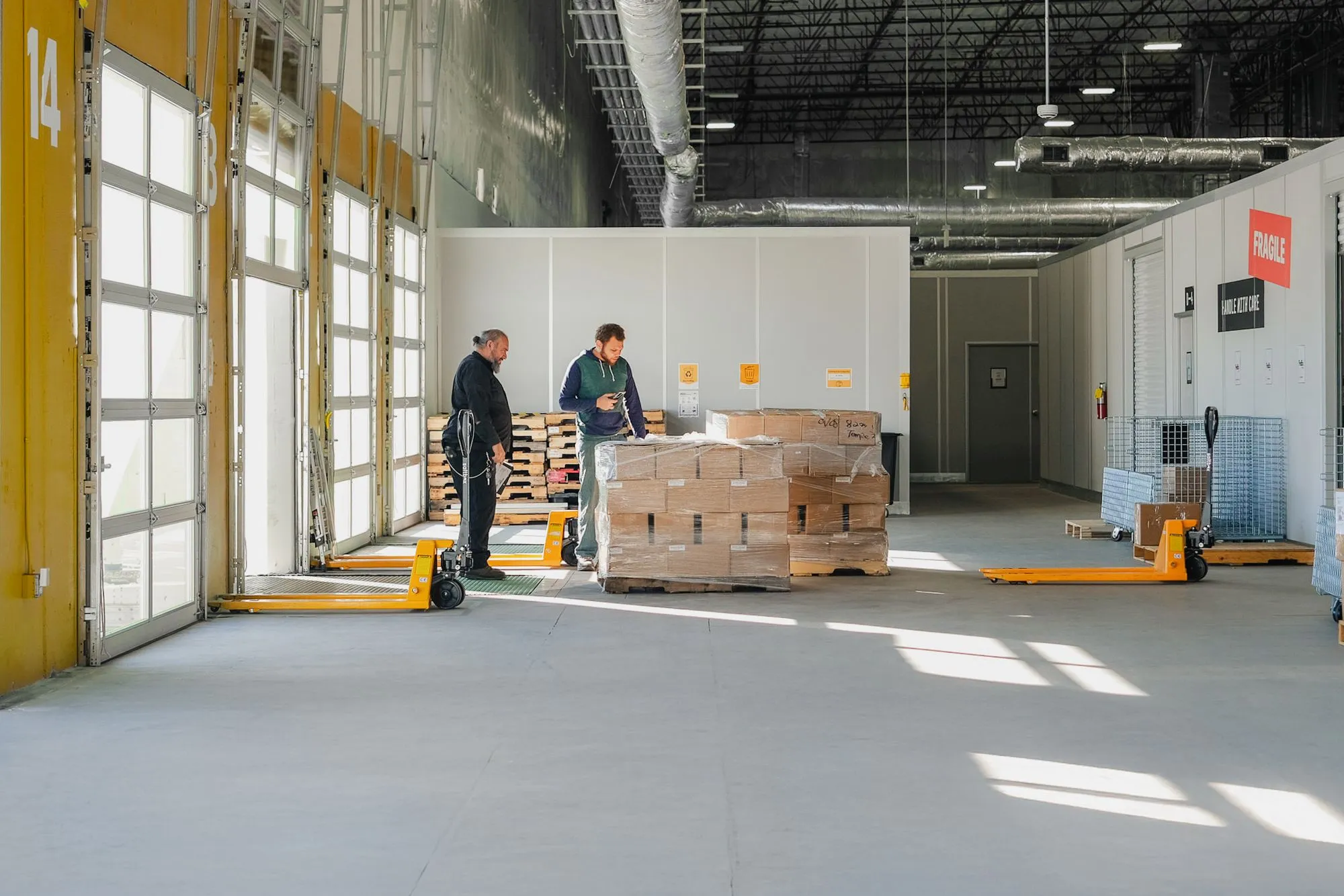
Want to see how it works for growth-stage brands? 👇
Shipping rates through Parsel
Every membership includes Parsel, our shipping app partner, at no added cost.
Inside the app, you price a shipment against the major carriers and the regional and newer names, book pickups, and print labels up to the 4:30 PM deadline.
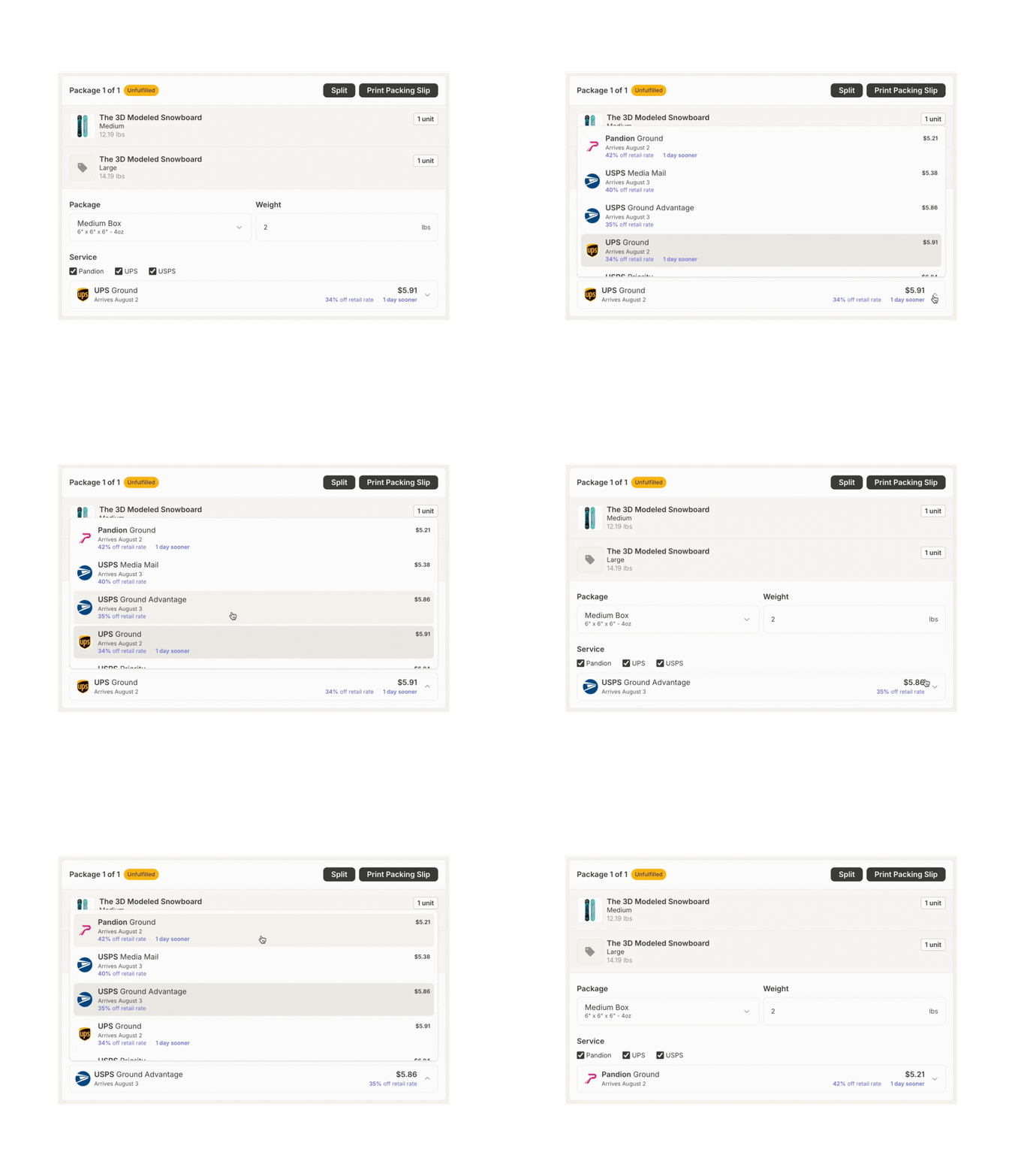
USPS, UPS, and FedEx sit in the platform alongside other regional and emerging carriers (so no, you won’t lose access to UPS).
Saltbox locations across the U.S.
Saltbox runs 12+ locations spread across the coasts and the middle of the country.
Here’s the current map:
- Los Angeles, San Gabriel Valley.
- Los Angeles, Torrance.
- Phoenix.
- Seattle, SoDo Row.
- Denver, Park Hill.
- Dallas, Carrollton.
- Dallas, Farmers Branch.
- Atlanta, Upper Westside.
- Atlanta, Westside Park.
- Atlanta, Chamblee.
- Washington D.C., Alexandria.
- Miami, Doral.

Interested in one of our locations across the U.S?
You can book a tour to see it alongside our operations experts. Available Mon-Fri, 8:30 AM-4:30 PM Central Time.
Book a TourHow is Saltbox different from UPS Supply Chain Solutions?
UPS Supply Chain Solutions handles freight forwarding, warehousing and distribution, ecommerce fulfillment, and customs brokerage for large supply chains, and you keep tabs on your goods through portals like the UPS Forwarding Hub.
That holds up at the freight scale, but your inventory winds up somewhere you log into, and not somewhere you walk into. You don’t actually have real control over your inventory, and for special requests, you’ll need to contact them.
At Saltbox, the stock stays in a suite you hold the keys to, with carrier pickups, shipping software, and a team you can find in person, all included.
For those of you coming from a 3PL and exploring co-warehousing, here are the core differences between the 2 models:
- You check inventory by looking at it, not by reloading a portal.
- A single monthly figure covers the suite and the membership, with none of the per-line storage, pick, and pack charges an enterprise quote stacks up.
- Your packaging and unboxing stay yours to change, no support ticket needed.
- A rush order can go out the same day, since you are the one able to carry it to the dock.
- Billing can renew monthly, so you grow or shrink with your volume and can step away if it stops working.
- You can still go fully hands-off with our team while keeping the option to drop in during the day.
- You’ll get access to a community of other entrepreneurs with the Upstream Entrepreneurs Club.
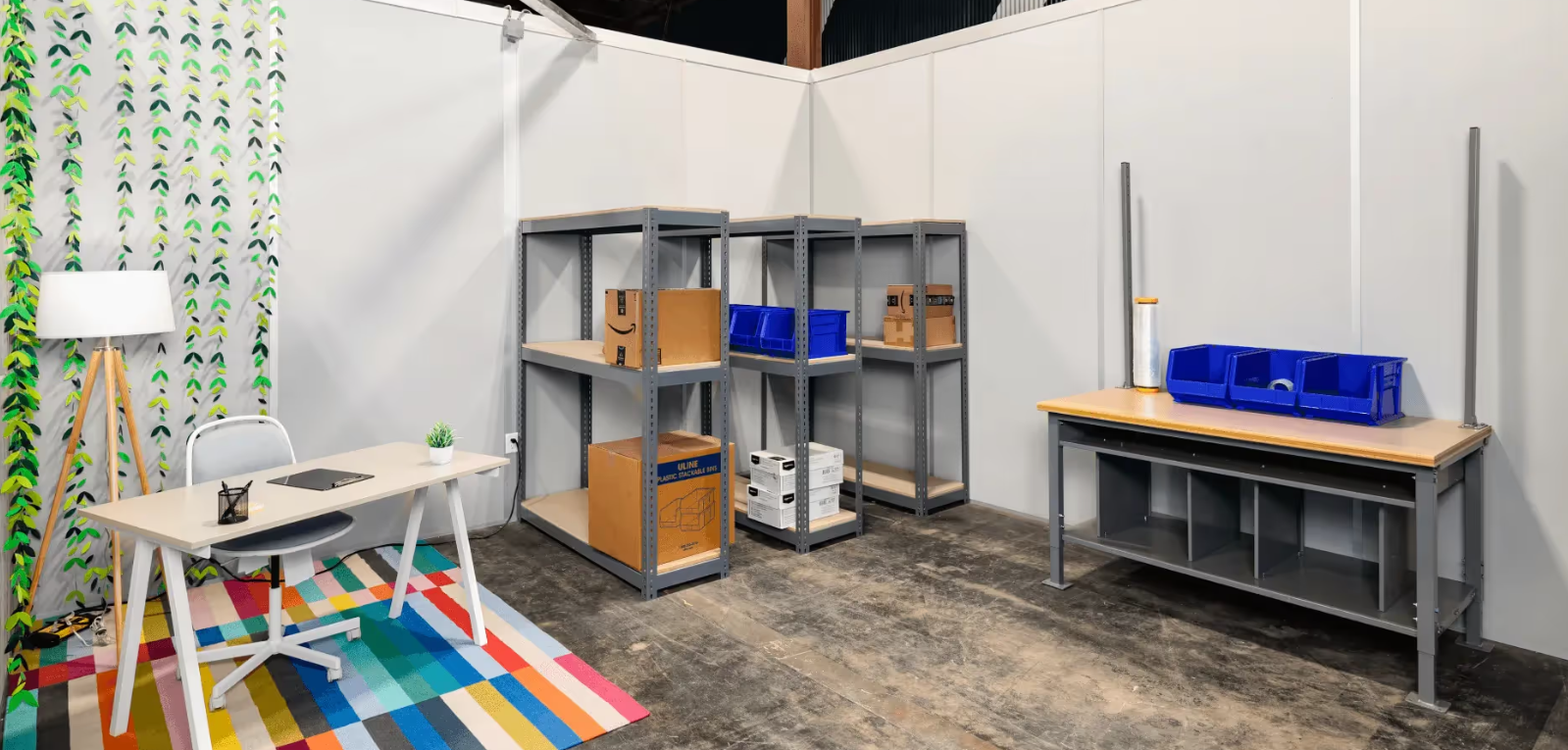
Saltbox's membership, warehouse, and office plans
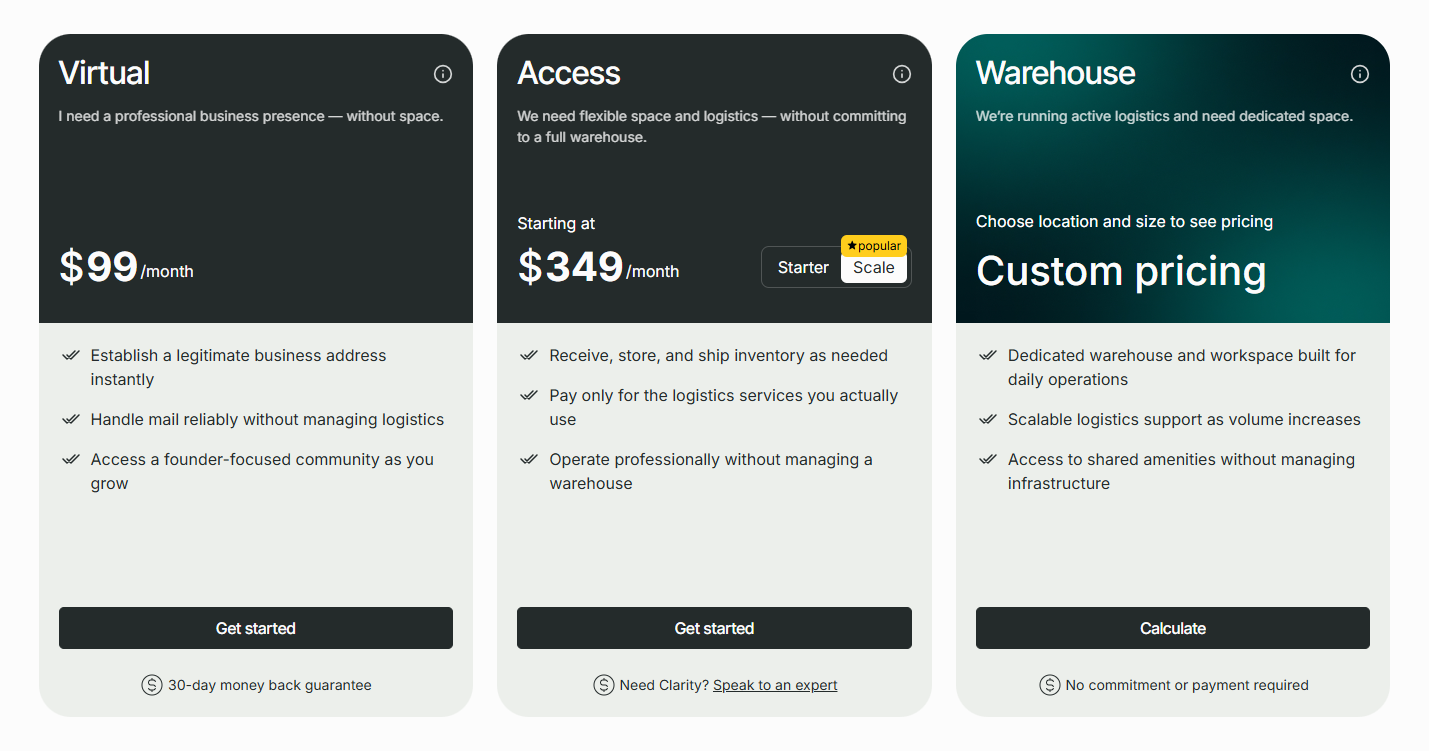
A Saltbox plan stacks up in three parts: the membership tier first, then a warehouse suite if you want one, then an office if you want that too.
Three tiers cover the range:
- Virtual: $99/month. A remote-only membership for brands that need a professional address for letters, with parcels excluded, plus a way into the Upstream Entrepreneurs Club.
- Access: from $349/month. Physical entry to Saltbox sites, with the dock and packing stations, the meeting rooms, and the studio open to you, and no suite commitment.
- Warehouse: custom pricing. The full setup, with on-site operations support, shipping tech, and the building's amenities folded in.
Suite rates shift city to city. For example, Atlanta's Upper Westside looks like this:
- Small Warehouse, from $1,157/month when billed annually: 70 to 250 sq. ft., 4 to 15 pallets, 1 to 2 employees.
- Medium Warehouse, from $1,890/month when billed annually: 250 to 500 sq. ft., 16 to 31 pallets, 1 to 4 employees.
- Large Warehouse, from $3,591/month when billed annually: 500 to 1,000 sq. ft., 32 to 62 pallets, 1 to 10 employees.
- Extra Large Warehouse, from $4,581/month when billed annually: 1,000 to 5,000+ sq. ft., 63 to 125 pallets, up to 50 employees.
All of the warehouses and locations include:
- Loading docks.
- Daily carrier pickups.
- Secure mail and package receiving.
- Professional-grade equipment.
- Multiple conference rooms.
- A content studio.
- High-speed Wi-Fi.
- A fully equipped kitchen with community dining.
- 24/7 security.
- On-site operations staff.
- In-suite 120V power.
- Printing services.
Office pricing is regional, too. Staying with Atlanta Upper Westside:
- 1-person office, $468/month when billed annually: one chair, one desk.
- 2-person office, $927/month when billed annually: two chairs, two desks.
- 3-person office, $1,305/month when billed annually: three chairs, three desks.
- 4-person office, $1,674/month when billed annually: four chairs, four desks.
Saltbox pros and cons
✅ Storage, shipping gear, and office space in one building, across 12+ U.S. sites.
✅ Inventory stays in a private suite, packed by you or by the crew on-site.
✅ Cancel-anytime monthly billing, with no enterprise contract.
✅ Parsel rates that solo brands are rarely quoted.
✅ Hourly labor in 15-minute blocks for the busy stretches.
❌ We will never be the cheapest, and we don't want to be.
#2: WareSpace
Best for: Brands with predictable volume that want one bundled invoice in place of a stack of separate bills.
Locations: 20 U.S. cities, among them Atlanta, Chicago, Dallas, Denver, and Phoenix.
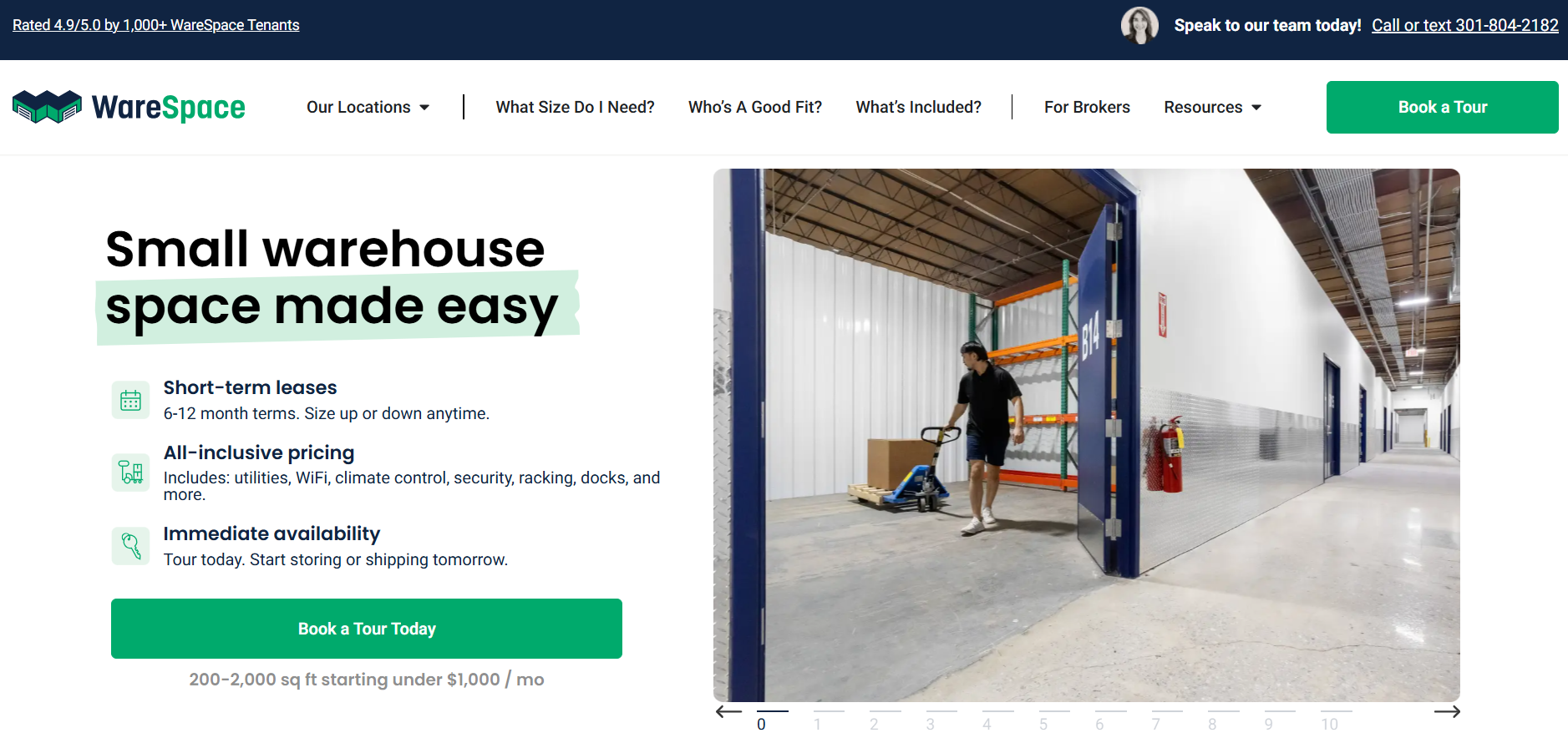
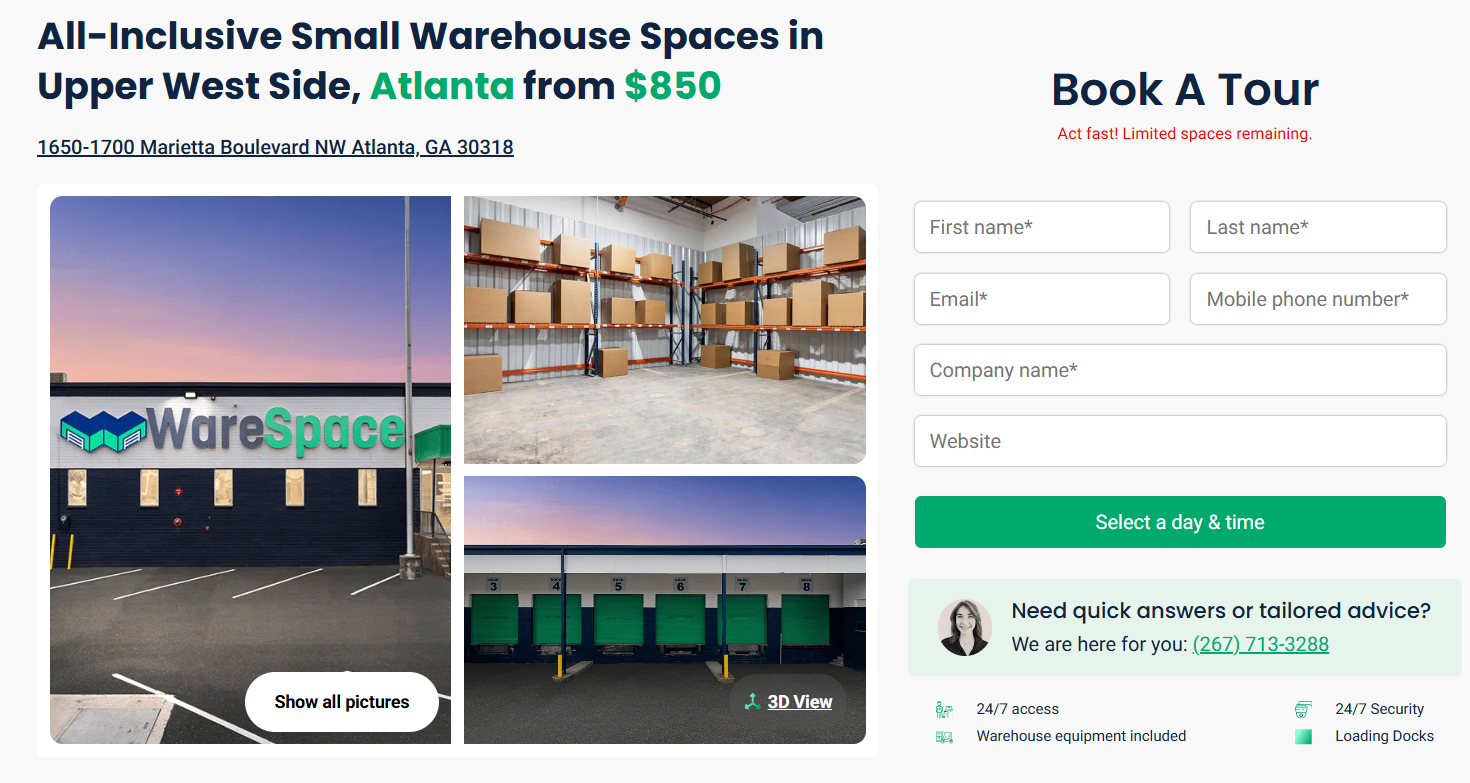
WareSpace hands you a private unit between 200 and 2,000 sq. ft. and folds the racking, utilities, and dock access into a single flat number.
For a brand that wants its own space without the weight of an enterprise 3PL like UPS Supply Chain Solutions, it covers the basics and not much more.
Amenities and benefits
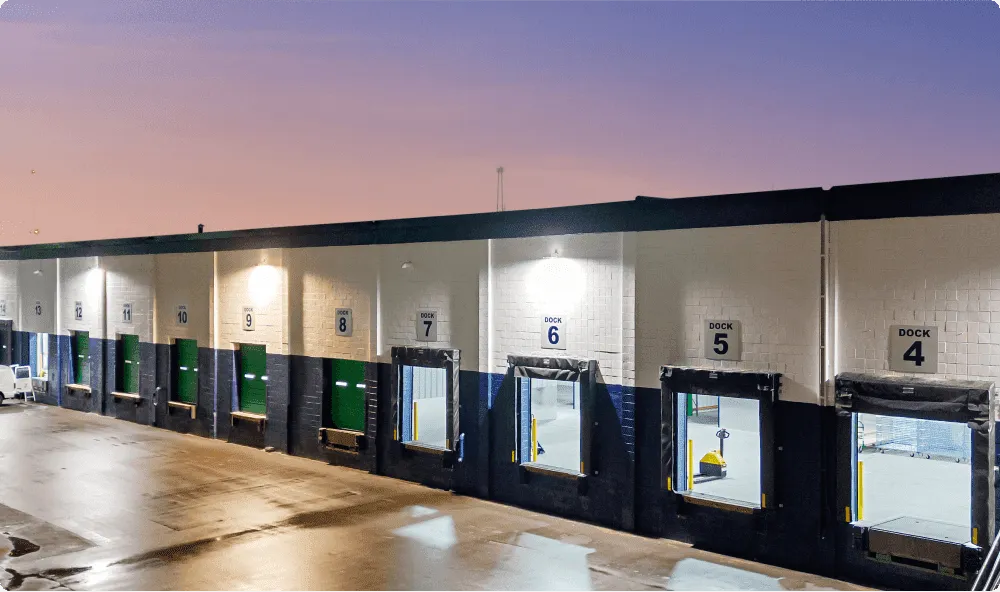
- The unit arrives with racking already fitted, plus utilities, Wi-Fi, and shared pallet jacks.
- Docks and warehouse equipment stay open to every tenant in the building.
- Common areas run to kitchens, lounges, and bookable conference rooms, with cleaning and security handled.
- Climate control runs year-round, and the doors stay open at all hours.
Pricing
Pricing opens near $850/month in Atlanta and closer to $1,000/month in other markets, all of it bundled.
You’ll have to book a tour to pin down the real figure for your city and unit.
Pros and cons
✅ One flat fee swallows the utility, equipment, and amenity bills you would otherwise track on their own.
✅ Twenty cities cover most of the major metros.
✅ Racking is pre-fitted, so move-in often happens within the week.
❌ Standard contracts run 6 to 12 months, not month-to-month, unlike some WareSpace alternatives.
#3: Cubework
Best for: Later-stage operations that need a big industrial footprint and plenty of U.S. addresses to choose among.
Locations: 77+ listed sites across the U.S.
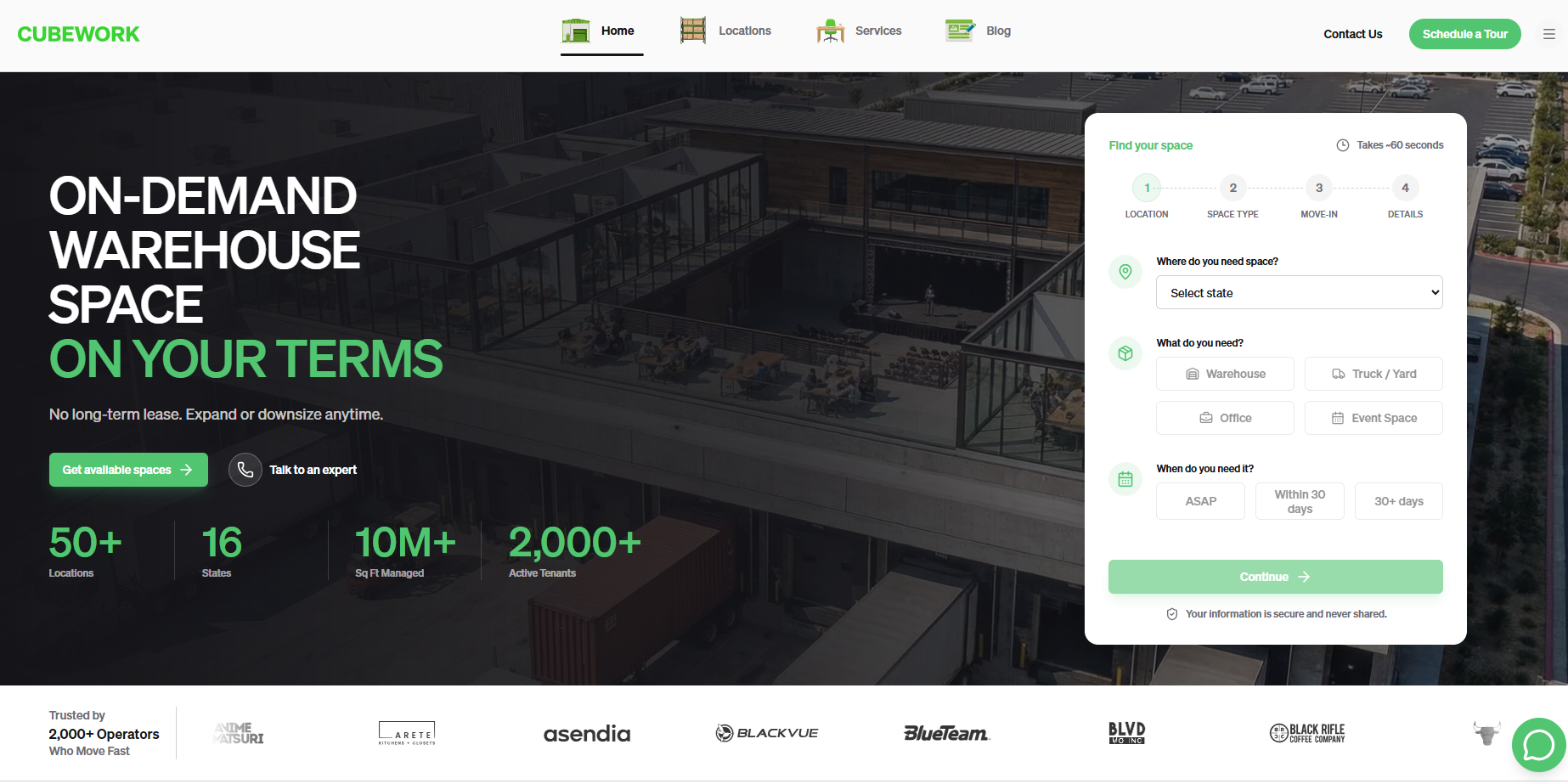
Cubework deals in on-demand warehouse and industrial space, anywhere from 150 sq. ft. up to a 150,000 sq. ft. distribution floor.
Short leases and a full industrial fit-out make it a real alternative to UPS Supply Chain Solutions for brands that want distribution-grade room with no enterprise contract.
Amenities and benefits
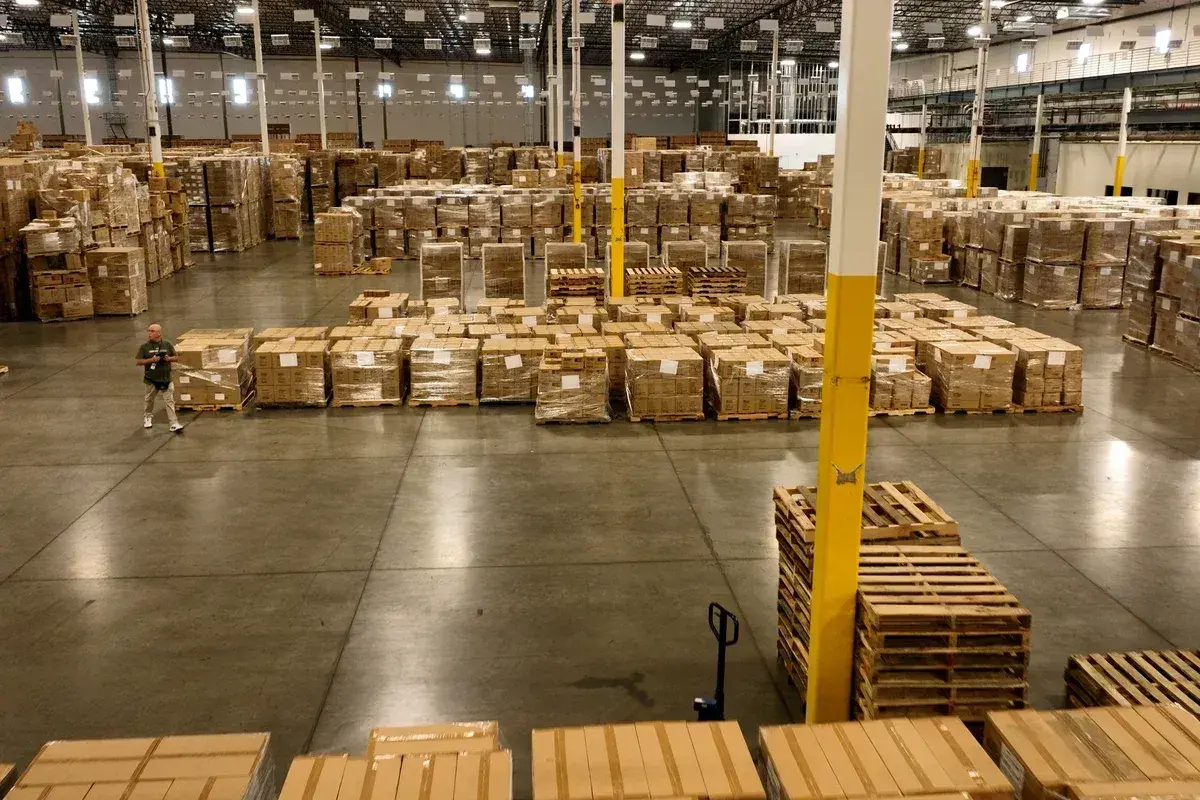
- Units that stretch from a single small suite to a full distribution building.
- Forklifts and drivers you can book on demand at any location.
- Secure entry at all hours, with monitored sites throughout.
- Member extras, including catered breakfasts, trade-show invites, and concierge discounts.
Pricing
Cubework keeps numbers off the website, since the rate bends to your city, unit, and lease length.
You will need to ask their team for a quote.
Pros and cons
✅ Most sites land close to interstates and freight corridors.
✅ Leases can begin at three months.
✅ Forklifts and the people to drive them arrive on demand, with nothing to purchase.
❌ No public pricing.
#4: Portal Warehousing
Best for: City-based founders who want a ready-to-go unit with offices and coworking, no drive out to an industrial park.
Locations: 7 U.S. cities, among them Salt Lake City, Phoenix, Orlando, Minneapolis, Manhattan, Los Angeles, and Brooklyn.
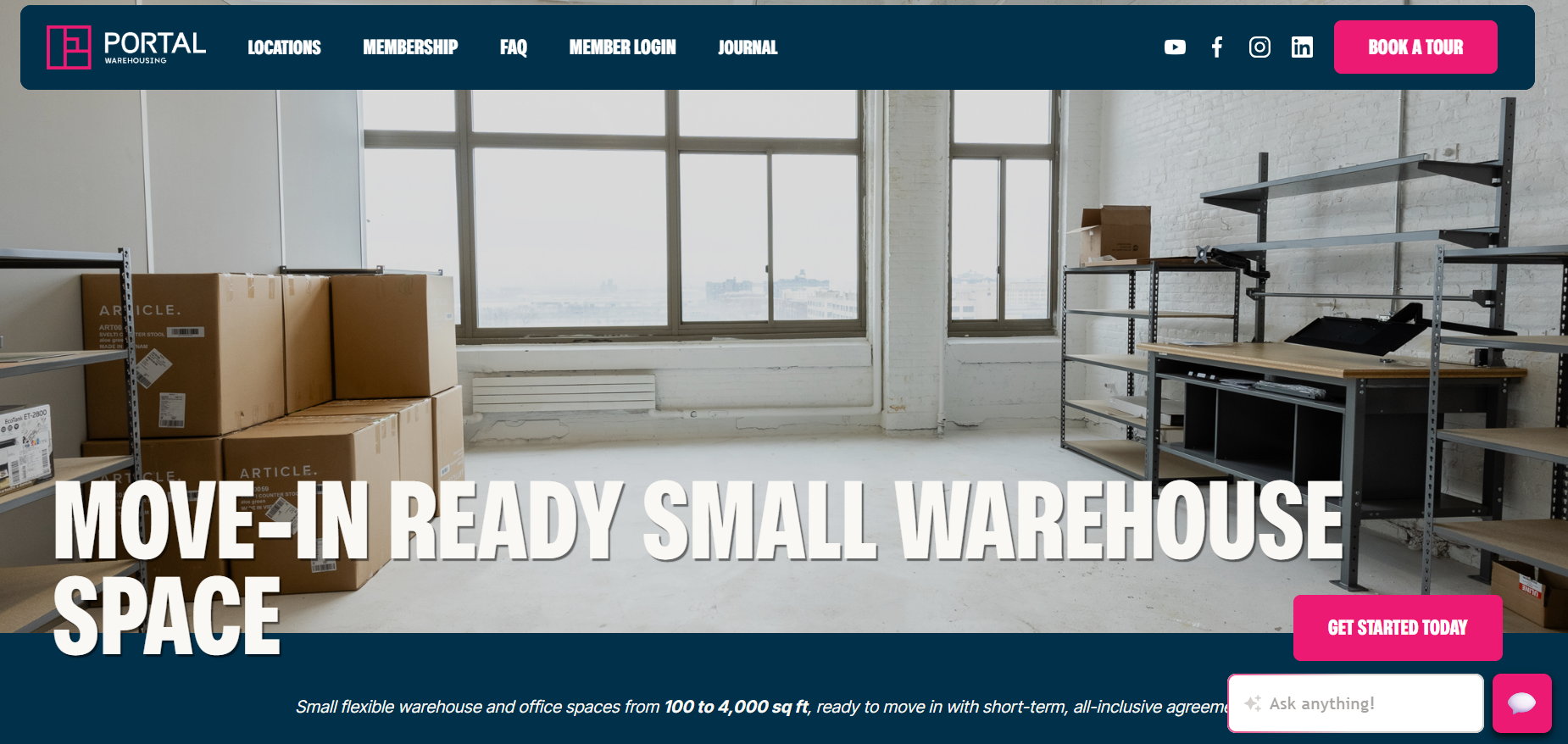
Portal Warehousing fits out units from 100 to 4,000 sq. ft. that put storage, fulfillment, and a desk under the same roof.
Its all-in model and in-city addresses make it a workable alternative to UPS Supply Chain Solutions for founders who keep operations close and self-run.
Amenities and benefits
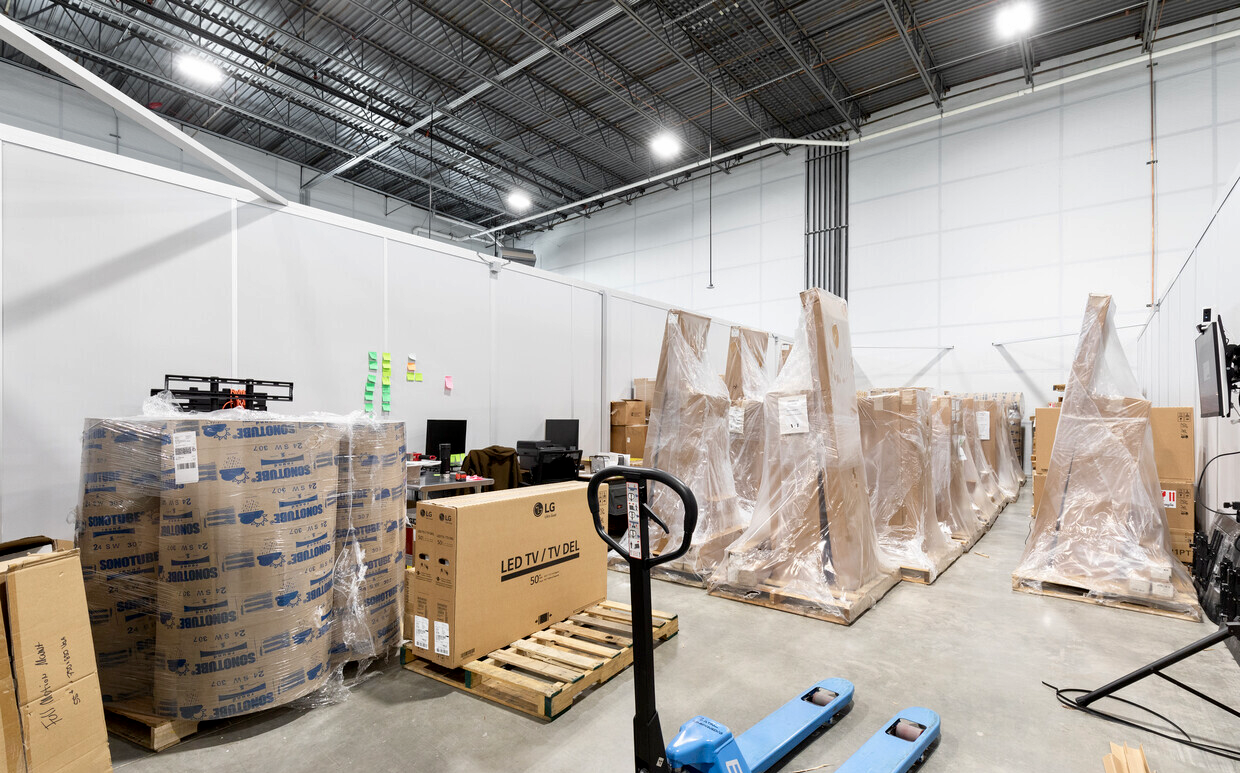
- One membership rolls in utilities, fast Wi-Fi, docks, racking, security, and daily carrier pickups.
- Private offices, shared lounges, and a front desk, with a shipping address tied to each unit.
- Move-in-ready spaces on flexible terms, positioned near highways and labor pools.
- Events built specifically around ecommerce founders.
Pricing
Portal runs three tiers:
- Small: 250 to 500 sq. ft., from $995/month.
- Medium: 500 to 1,000 sq. ft., from $1,795/month.
- Large: 1,000+ sq. ft., from $2,995/month.
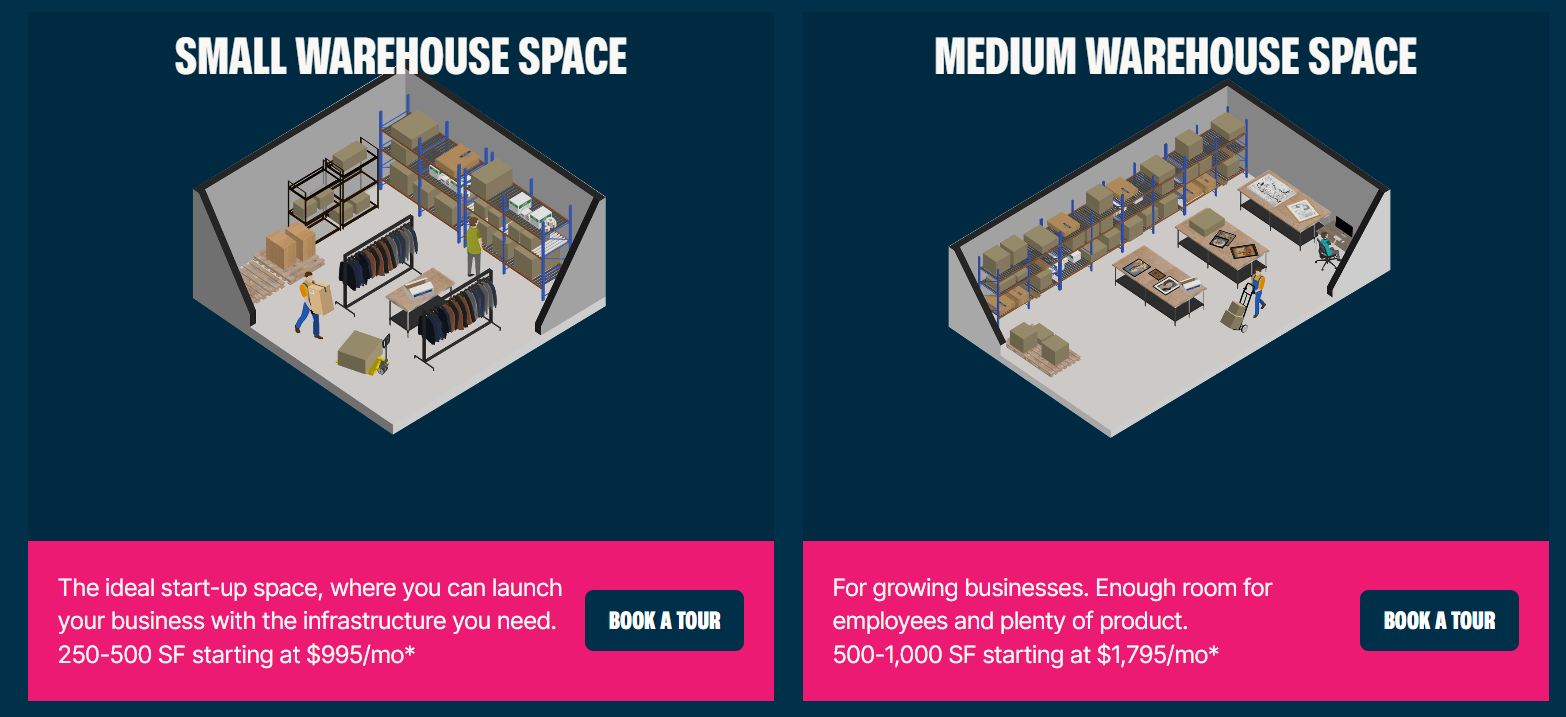
The number moves with location and what is open.
Pros and cons
✅ No long lease to sign.
✅ Office and warehouse share a single address.
✅ Ready-to-use space from 100 to 4,000 sq. ft.
❌ Seven cities miss large parts of the map.
#5: ReadySpaces
Best for: Teams after short, flexible warehouse terms with the industrial basics already bolted in.
Locations: 38 across the U.S. and Canada.
ReadySpaces rents flexible units from 100 to 5,000 sq. ft. and sets coworking lounges and offices next to the storage floor.
Amenities and benefits
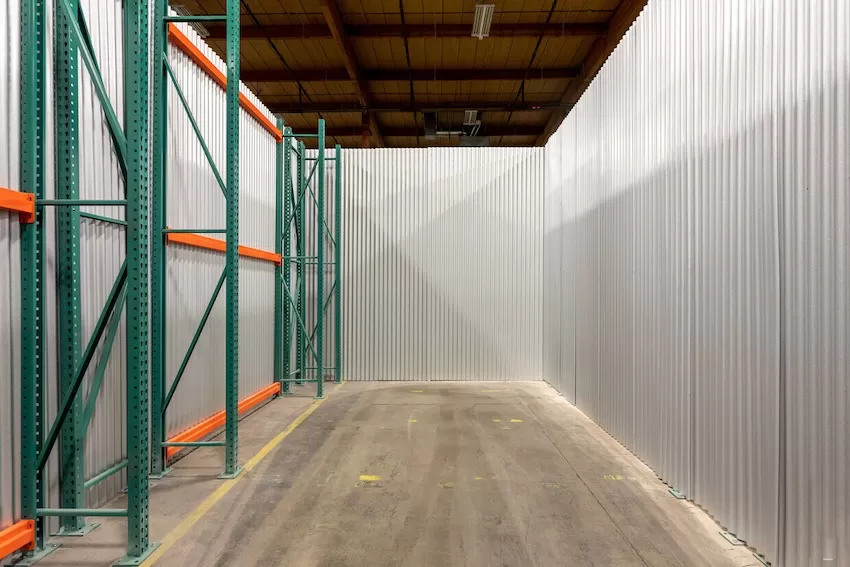
- Units from 100 sq. ft. on up past 5,000, with shared workspace built in.
- Conference rooms and private offices at a portion of the sites.
- Round-the-clock access and security, plus the community side.
- Forklifts, docks, and grade-level bays part of the deal.
Pricing
ReadySpaces quotes case by case, weighing unit size, where it falls in the building, and extras like dock adjacency or 240V power.

Pros and cons
✅ Leases as short as 90 days.
✅ A footprint that spans the U.S. and Canada.
✅ Forklift and dock access written into the lease.
❌ No public pricing makes side-by-side comparison harder, which is why some members have been looking for ReadySpaces alternatives.
#6: WorkHub
Best for: Texas startups after flexible workspace and warehouse units with a painless way in.
Locations: 7 sites, all in Texas.
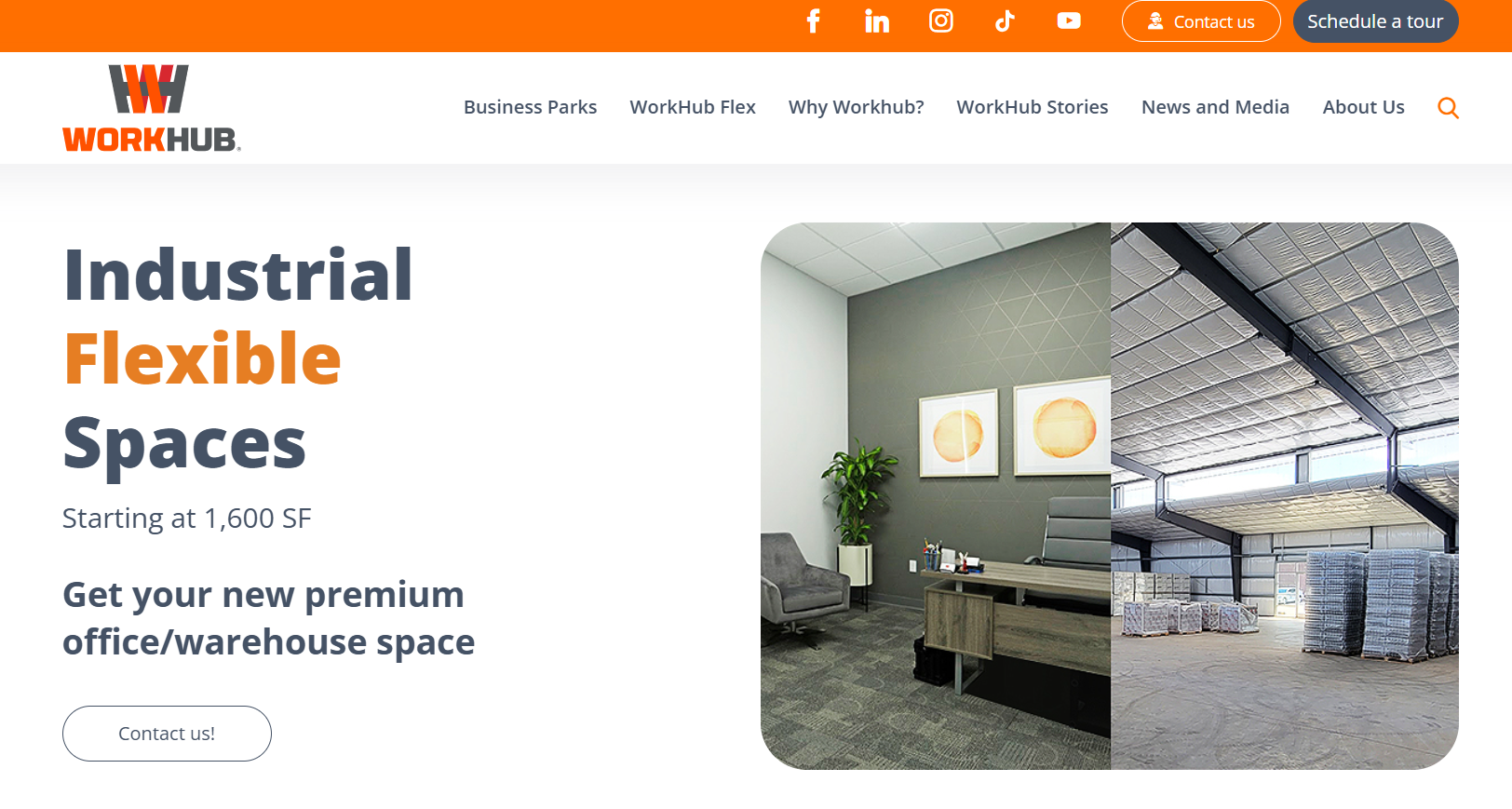
WorkHub spreads flexible workspace across seven Texas buildings, from hot desks to private offices, with warehouse units and docks attached.
A Texas brand sizing up UPS Supply Chain Solutions gets space and the operations basics nearby, with free months to start and no deposit on the way in.
Amenities and benefits
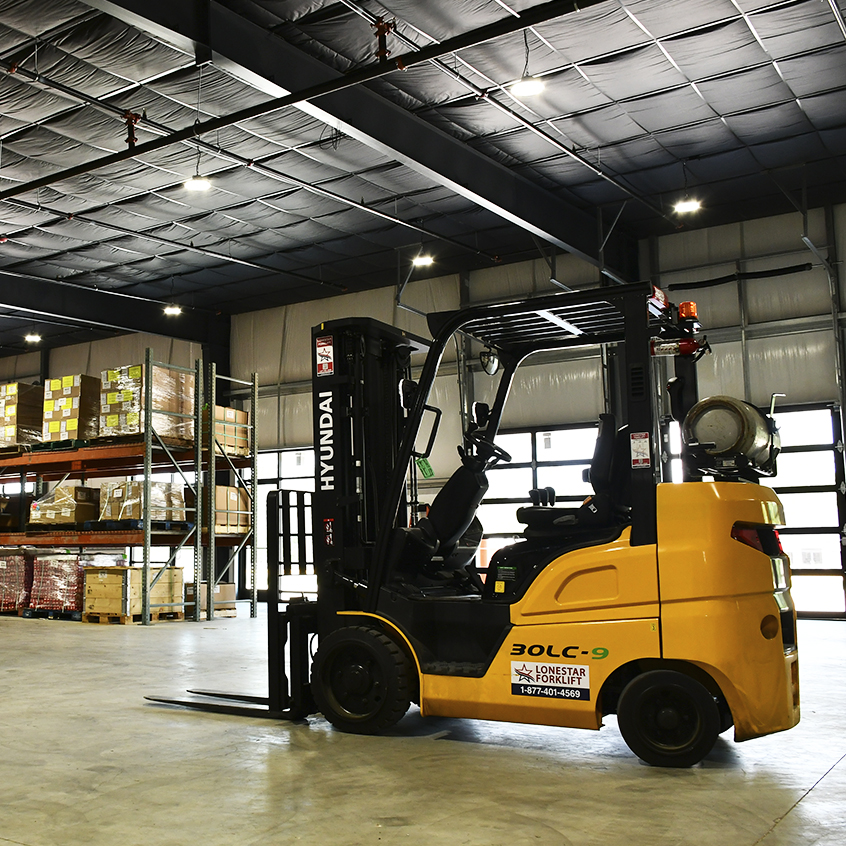
- Hot desks, dedicated desks, meeting rooms, and private offices to choose among.
- Fiber internet, business support, and a tenant network.
- Dock and forklift access thrown in at no extra charge.
- Energy-efficient buildings with climate-controlled warehouse bays.
Pricing
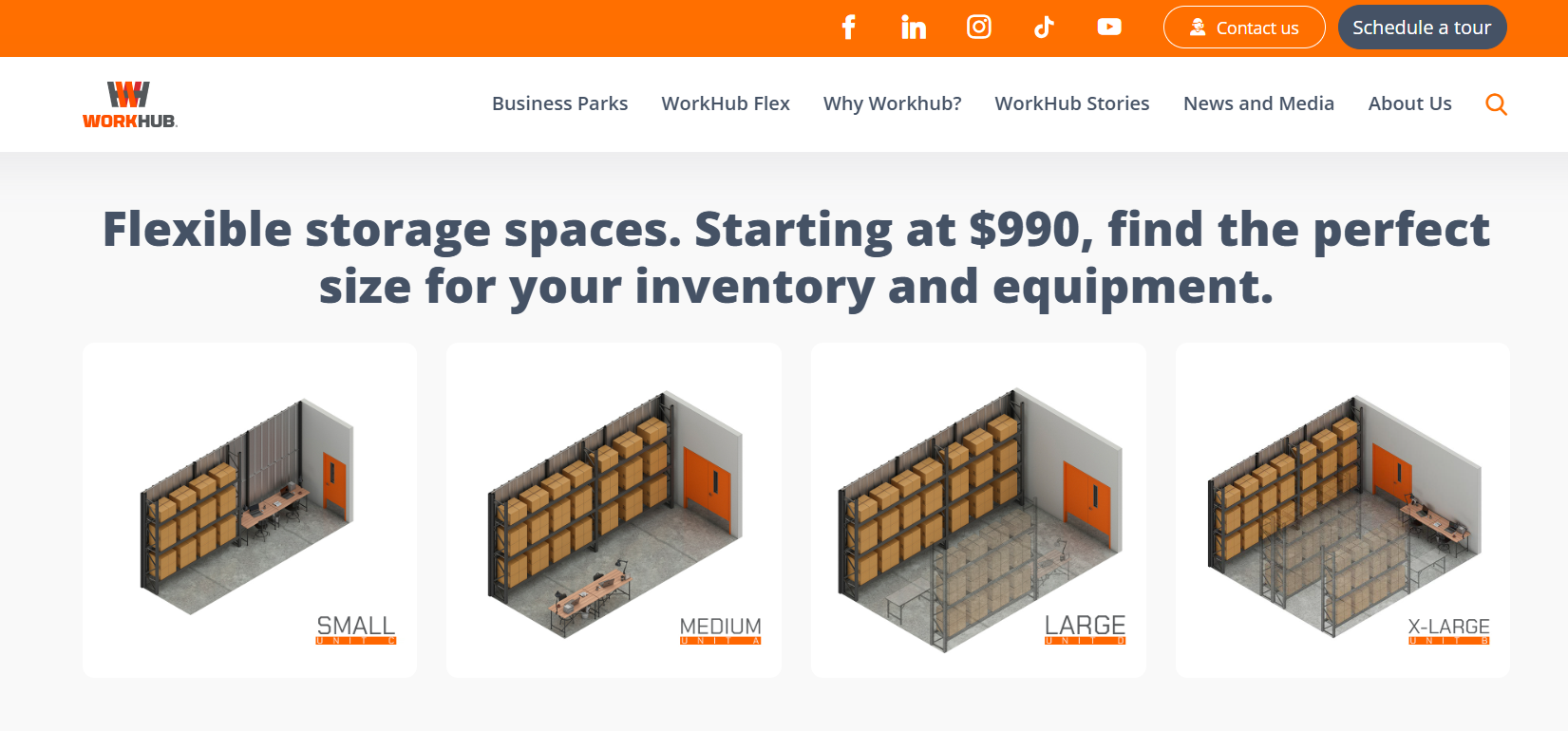
WorkHub doesn’t publish much on pricing, though it says that flexible storage space starts at $990/month.
Pros and cons
✅ A broad spread of workspace, from a casual desk to a private office.
✅ Free months to get settled.
✅ No deposit required up front.
❌ Every location is in Texas.
#7: FlexHQ
Best for: Teams that want the warehouse to feel like a brand HQ.
Locations: 6 U.S. cities, including sites in Los Angeles, Denver, Plano, Salt Lake City, Nashville, and Charlotte.
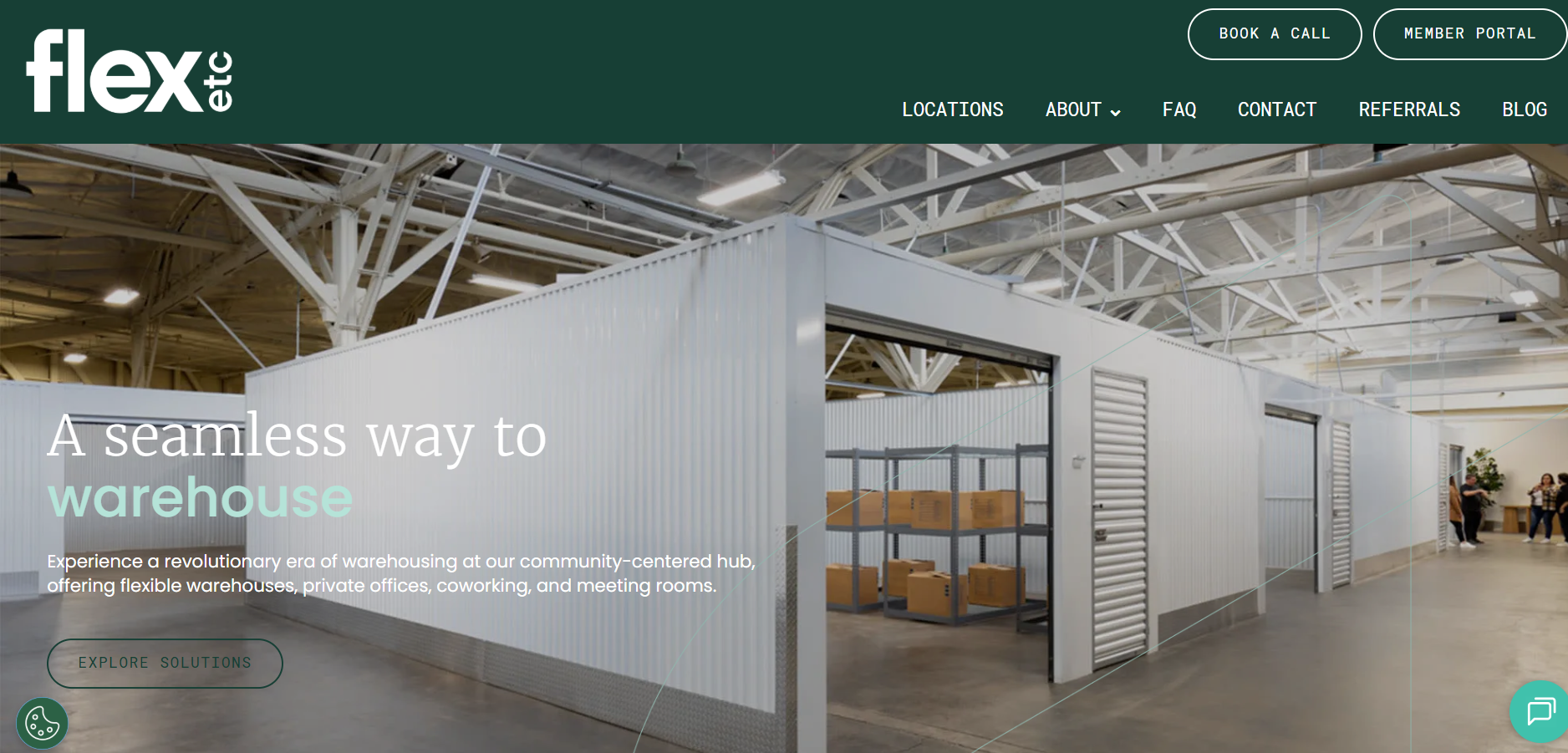
FlexHQ’s buildings are large industrial properties retrofitted into mixed-use environments, with smaller warehouse units sitting next to private offices, studios, and shared work zones.
For businesses where the physical office matters to the team's identity, that detail tips the decision.
Amenities and benefits
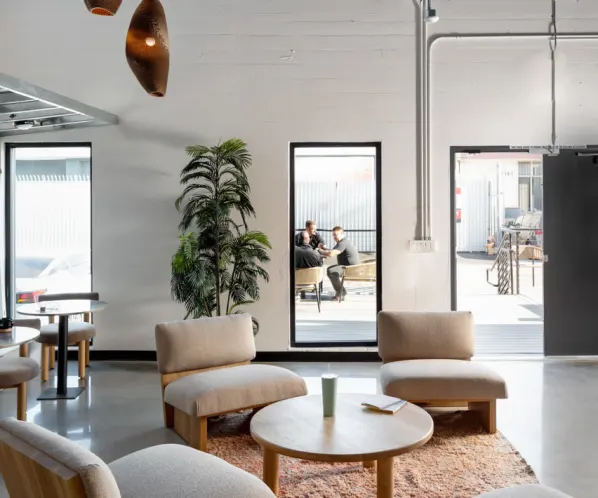
- Coworking memberships and private offices accompany the warehouse units inside the same building.
- The designed office environment doubles as a meeting space and a shoot location.
- On-site staff, secure facility access, and the rest of the amenities are part of the membership.
- There’s an option for monthly billing with no long-lease requirement.
Pricing
Pricing is not public, so you’ll have to contact them for a quote.
Pros and cons
✅ No long-term commitment, with move-in available immediately.
✅ Designer-built environment for brands where the room's look factors in.
✅ Coworking, offices, and warehouse units all sit under the same roof.
❌ Pricing is not public.
What are the best 3PL alternatives to UPS Supply Chain Solutions in 2026?
The best 3PL alternatives to UPS Supply Chain Solutions are Flowspace, FedEx Fulfillment, and Flexe:
#1: Flowspace
Best for: Brands after a software-first 3PL that spreads inventory across a national network.
Locations: 150+ fulfillment centers across the U.S. and parts of Canada.
Flowspace combines a distributed fulfillment network with a Shopify-native platform that handles orders, inventory placement, and rate shopping.
Of everything here, it is the cleanest swap for UPS Supply Chain Solutions, since both leave you fully outsourced.
Amenities and benefits
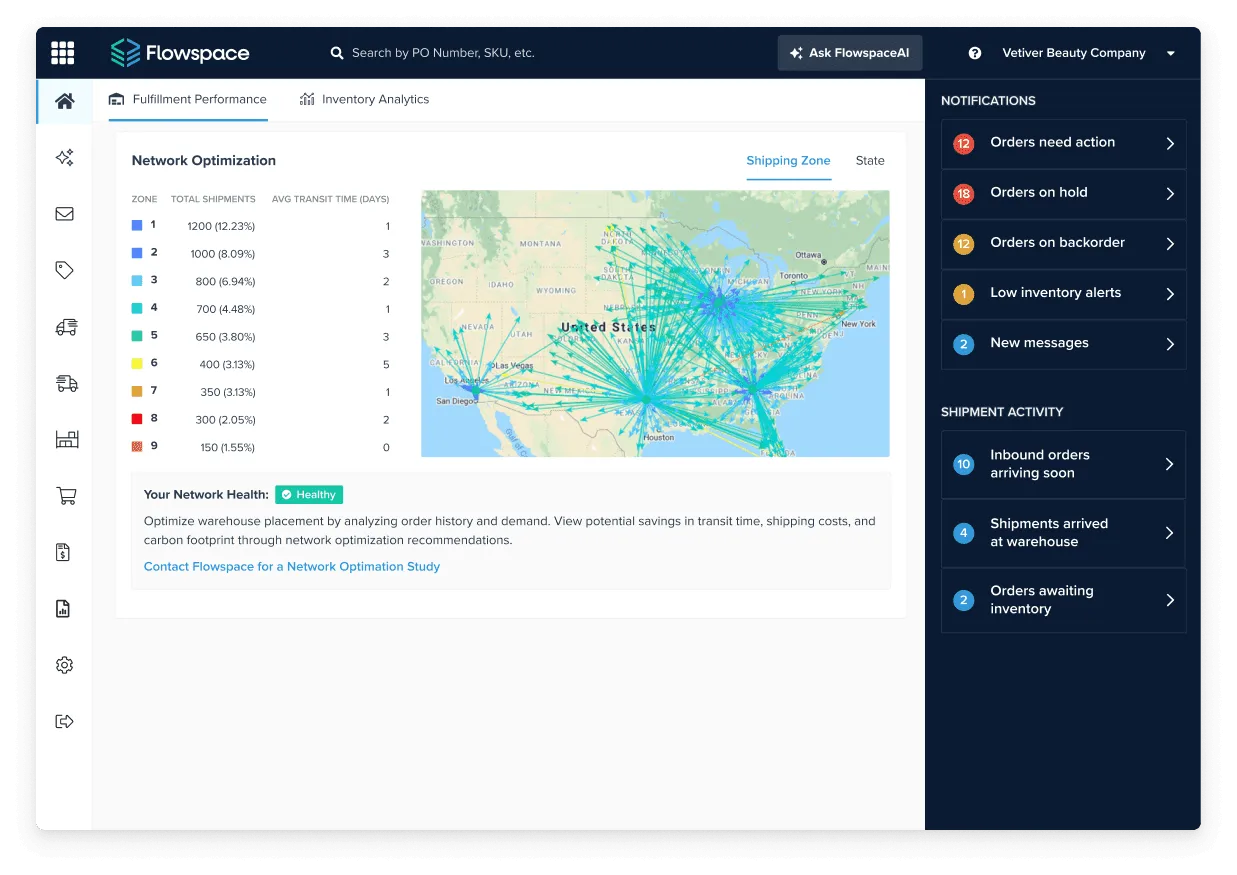
- Inventory placed across the network to shorten the trip to your customers.
- Pick, pack, ship, kitting, labeling, and returns are all taken on.
- Live order and inventory data piped in from every connected channel.
- Capacity that flexes up or down with no real estate to sign for.
Pricing
Flowspace pricing is custom, so you'll need to talk to their sales team for numbers.
Pros and cons
✅ The widest distributed network here, at 150+ centers.
✅ The Shopify tie-in is a core feature, not an afterthought.
✅ Account managers draw steady praise across Trustpilot reviews.
❌ Custom pricing makes comparison hard.
#2: FedEx Fulfillment
Best for: Established brands moving thousands of orders a month that want the carrier and the fulfillment from one company.
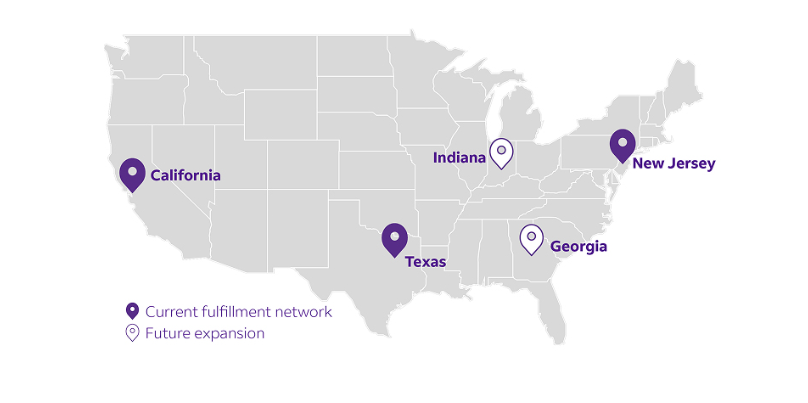
Locations: 3 active U.S. centers in California, Texas, and New Jersey, with two more on the way in Georgia and Indiana.
FedEx Fulfillment processes orders out of FedEx-run centers, backed by robotics and AI-driven operations tools.
It mirrors the enterprise 3PL shape of UPS Supply Chain Solutions, with carrier and fulfillment stacked under one company.
Amenities and benefits

- Incoming stock passes a quality check before it reaches grid storage.
- Picking, packing, shipping, and returns run end-to-end, with branded packaging supported.
- Carrier choice stays per shipment, so FedEx never becomes the forced default.
- A cloud platform with analytics, wired into Shopify, Magento, and WooCommerce.
💡 Interested in how Flowspace compares to FedEx Fulfillment? Check out our comprehensive Flowspace vs. FedEx Fulfillment guide.
Pricing
There's no rate card on the FedEx Fulfillment site, although you can use their site to calculate your shipping rates.
Pros and cons
✅ Two-day reach to 96% of the U.S. on standard service.
✅ Per-shipment carrier choice, tuned for cost or speed.
✅ A strong fit for apparel, beauty, footwear, and CPG.
❌ Hands-on access to your inventory goes away.
❌ The model is mostly aimed at thousands of orders a month, not smaller DTC runs.
#3: Flexe
Best for: Mid-market and enterprise brands that need capacity in many cities and no real estate on the books.
Locations: A network of 800+ warehouse operators across the U.S. and Canada.

Flexe wires brands into 800+ third-party warehouse operators through a single integration, covering distribution and fulfillment across North America.
Of the bunch, it lines up closest to the enterprise reach of UPS Supply Chain Solutions, switching on capacity in a new market with no lease to sign.
Amenities and benefits
- One API, EDI, or XML hookup opens the whole operator network, secondary and tertiary markets included.
- Warehouse, order, and inventory management gathered into one platform.
- Live visibility into inventory, order status, and SLA performance.
- A consulting layer that maps the network and pairs operators to markets.
💡 Interested in how Flowspace compares to Flexe? You can read our Flowspace vs. Flexe guide.
Pricing
Pricing is fully custom and built per account, with the model centered on enterprise-scale agreements.
Pros and cons
✅ More market coverage than anything else in this guide.
✅ A single integration spans distribution and fulfillment across 800+ partners.
✅ Network consulting is baked into the engagement.
❌ Built for enterprise scale, which makes it overkill for most growth-stage DTC brands.
Put your inventory where you can reach it with Saltbox in 2026
This guide ran through 10 alternatives to UPS Supply Chain Solutions, from suites you walk into to enterprise 3PLs that handle the boxes for you.
A few win on a national scale, others on price or a shorter commitment.
I rank Saltbox first because it clears the snags that wear growth-stage founders down:
- Shipping costs that quietly eat the margin.
- Contracts you cannot exit the moment volume shifts.
- Inventory you cannot eyeball without logging in.
- Nobody on-site to sign for freight or pack an order while you are away.
Co-warehousing answers all four, and that is exactly the gap Saltbox was built to close.
You get a private suite, a crew that receives inbounds on the days you are out, weekday carrier pickups, and Parsel rates a small brand rarely gets quoted.
Billing stays monthly, and you can layer on on-site fulfillment as the volume climbs.
You can talk to an expert to learn more about us, or book a tour at one of our locations to see a suite in person.
⚠️ Disclaimer: This article was last updated on July 2, 2026, and if there's any misinterpretation of the information, please contact us, and we will fact-check it.
Frequently asked questions
While there may be upfront costs, switching to a co-warehousing space can reduce long-term expenses by eliminating hidden fees and rigid contracts.
The right time is usually six months before most founders actually do it. If your error rate is consistently above 1–2%, your costs are scaling faster than your volume, or you're spending meaningful time every week managing your provider relationship, those are signals worth acting on sooner rather than later.
Prioritize pricing transparency, space flexibility, real-time inventory visibility, and on-site support. Also evaluate tech stack compatibility; your new provider should integrate cleanly with your existing sales channels and shipping tools without requiring a custom build on your end.
Yes. The parallel-run method lets you migrate inventory and orders to a new provider while your current 3PL continues to fulfill. The key is sequencing the move by SKU, starting with slow-movers, and setting clear rules for which provider handles which orders during the overlap.
For Her
For Him
For Pets
For Anyone


Related posts
Learn from businesses improving their operational efficiency. Explore how Saltbox’s expert support and flexible spaces drive their growth.


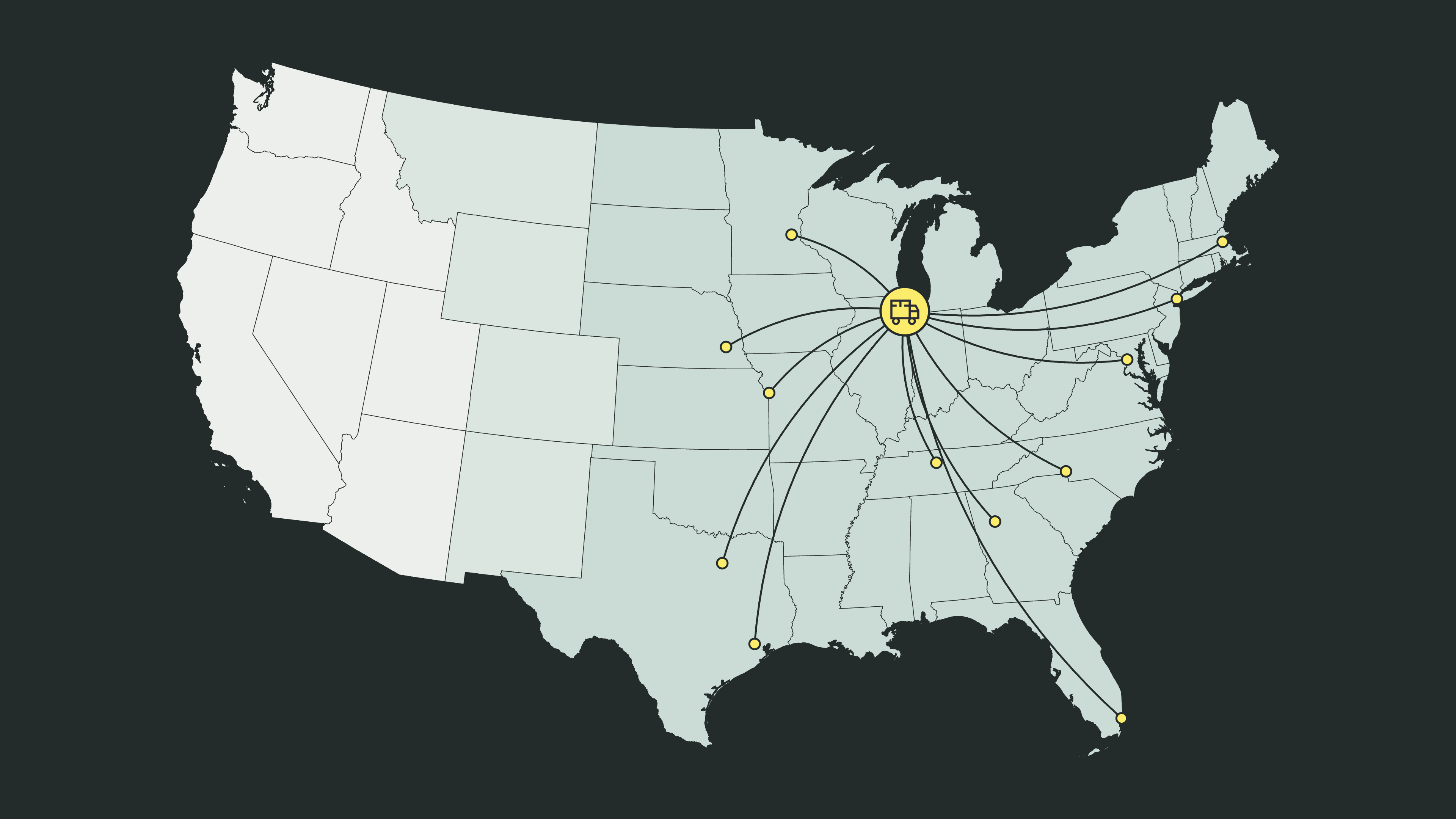
How much of the U.S. can you reach in two days from Chicago?
One Midwest node covers about 68% of the country in two days of ground transit. Here's exactly which two-thirds, and which third it misses.
2026 peak season shipping surcharges: what FedEx, UPS, USPS, and Amazon are charging
Additional handling went up about 6%. The fee on every single order went up 25%. Here’s the full 2026 surcharge picture, and what it costs you per order.
10 best 3PL companies in Atlanta, GA (2026)
Ten Atlanta 3PL providers compared on buildings and certifications, plus the case for keeping fulfillment in a suite you control.
Related terms
Learn from businesses improving their operational efficiency. Explore how Saltbox’s expert support and flexible spaces drive their growth.