.webp)


Key takeaways
- Warehouse costs rarely spike overnight. Storage, labor, and shipping expenses tend to creep up gradually through small inefficiencies in layout, workflow, and fulfillment strategy that compound over time.
- Most product-based businesses have more control over fulfillment costs than they realize. Smarter inventory placement, leaner pick-and-pack workflows, and better packing decisions can meaningfully reduce expenses without cutting service levels.
- Rigid fulfillment models are one of the biggest hidden cost drivers for growing brands. Flexible warehousing solutions that scale with actual demand help operators avoid overpaying for space and support they don't consistently need.
In recent conversations with Saltbox members, rising warehouse costs have become a recurring theme for many product-based businesses. With the current market's volatility and frequent policy changes, it's easy to see why operators are paying closer attention to their fulfillment spend.
But a shift in the political landscape isn't the only factor driving costs. In fact, an increase in warehouse costs is often tied to higher order volume, with many costs stemming from inefficiencies in layout, labor flow, and shipping strategy.
The good news is that figuring out how to reduce warehouse costs is more about optimization than cutting service levels.
The sections below break down the leading cost drivers for fulfillment and practical ways to bring those expenses back under control.

Pro tip: Preparation and optimization are two of the best ways to reduce warehouse costs
Looking for ways to lower warehouse costs while preparing for operational surges? Our operational surge planning checklist offers key insights to strengthen fulfillment and shipping strategies.
Get the checklistWhat are the three biggest warehouse cost drivers for fulfillment?
The three biggest warehouse cost drivers for fulfillment include:
- Storage: Space utilization problems, inventory sprawl, and long-term commitments that don't flex with demand
- Labor: Pick/pack time, unnecessary movement, and staffing that doesn't scale with order volume
- Shipping: Distance to customers, packing inefficiencies, and limited carrier visibility all drive costs up at the outbound stage
These cost drivers may seem obvious, but identifying which ones are having the biggest impact on your operation is where most brands struggle.
Without a proper audit cadence, small inefficiencies across the fulfillment workflow go unnoticed until they result in real margin pressure.
How can product-based businesses reduce warehouse costs?
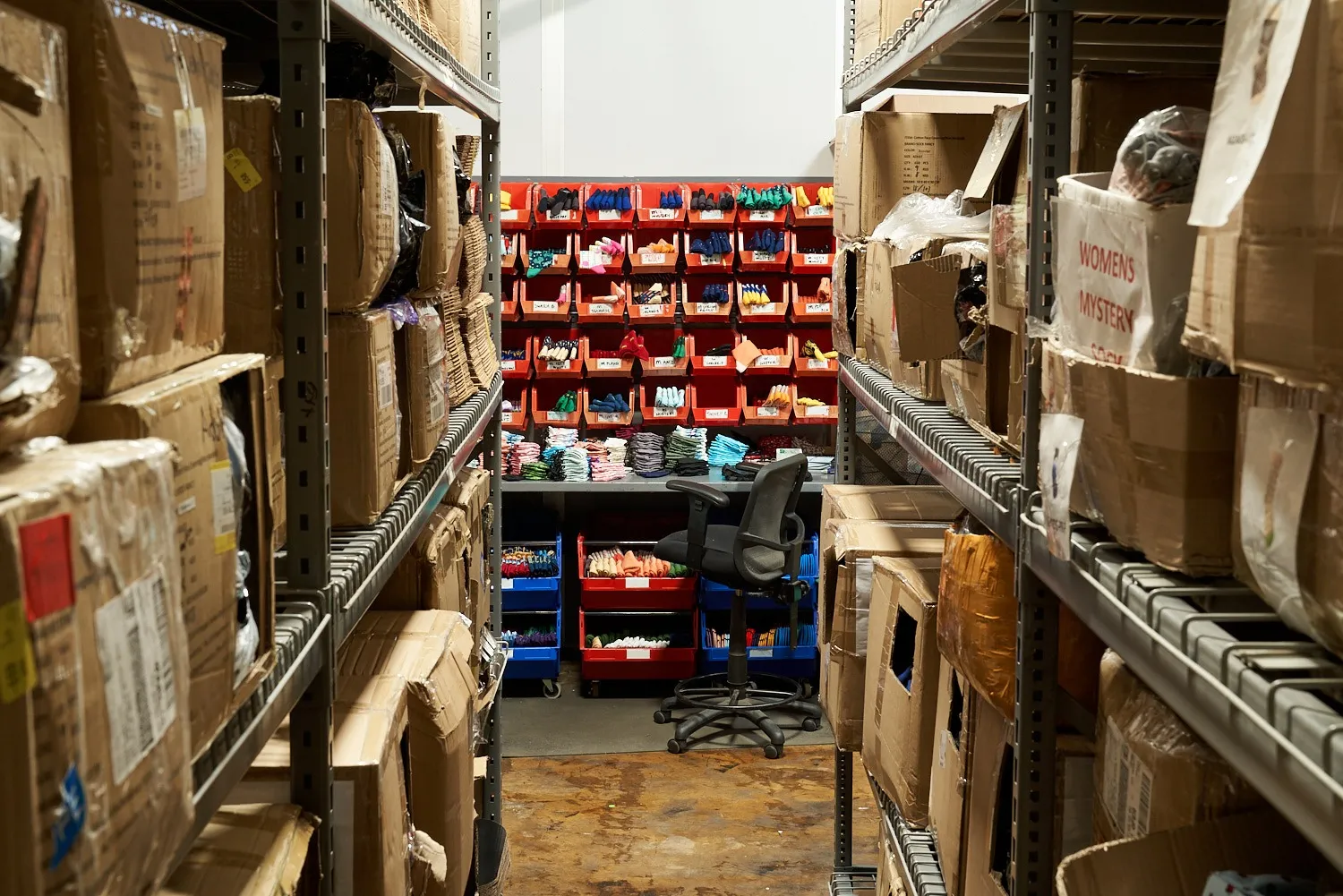
Product-based businesses can reduce storage costs in a warehouse by rethinking how they approach "space" — not just how much of it they have, but how much of it they actually need year-round.
Most product-based businesses are paying for more space than they use, not because of inventory requirements, but because of inefficient layouts, poor slotting decisions, and commitments made at the wrong time. Here are five tactics that actually move the needle.
1. Switch to a flexible, month-to-month warehousing model
The most expensive square footage in fulfillment is the kind you're paying for but not using. Most traditional warehouse arrangements lock operators into long-term commitments sized for peak-season volume, which means you're overpaying for empty space for 9 to 10 months of the year.
Co-warehousing memberships like Saltbox are built differently. Instead of committing to a fixed footprint based on your highest-demand period, you pay for what your business actually needs right now. As your volume grows or contracts, your space can too — without penalty, without renegotiation, and without a multi-year industrial commitment hanging over your budget.
For brands experiencing seasonal swings or growth-stage uncertainty, this single shift can be one of the fastest ways to bring storage costs back in line.
2. Conduct a layout audit before adding square footage
It's easy to default to "I need more space" when your warehouse feels crowded. But in most cases, the real problem is how the space is configured, not how much of it you have.
Walking the warehouse floor with fresh eyes — or bringing in someone who hasn't normalized your current setup — often reveals dead zones, wide-aisle inefficiencies, and shelving gaps that could unlock meaningful capacity. Start here before you start shopping for more square footage.
3. Go vertical with your shelving
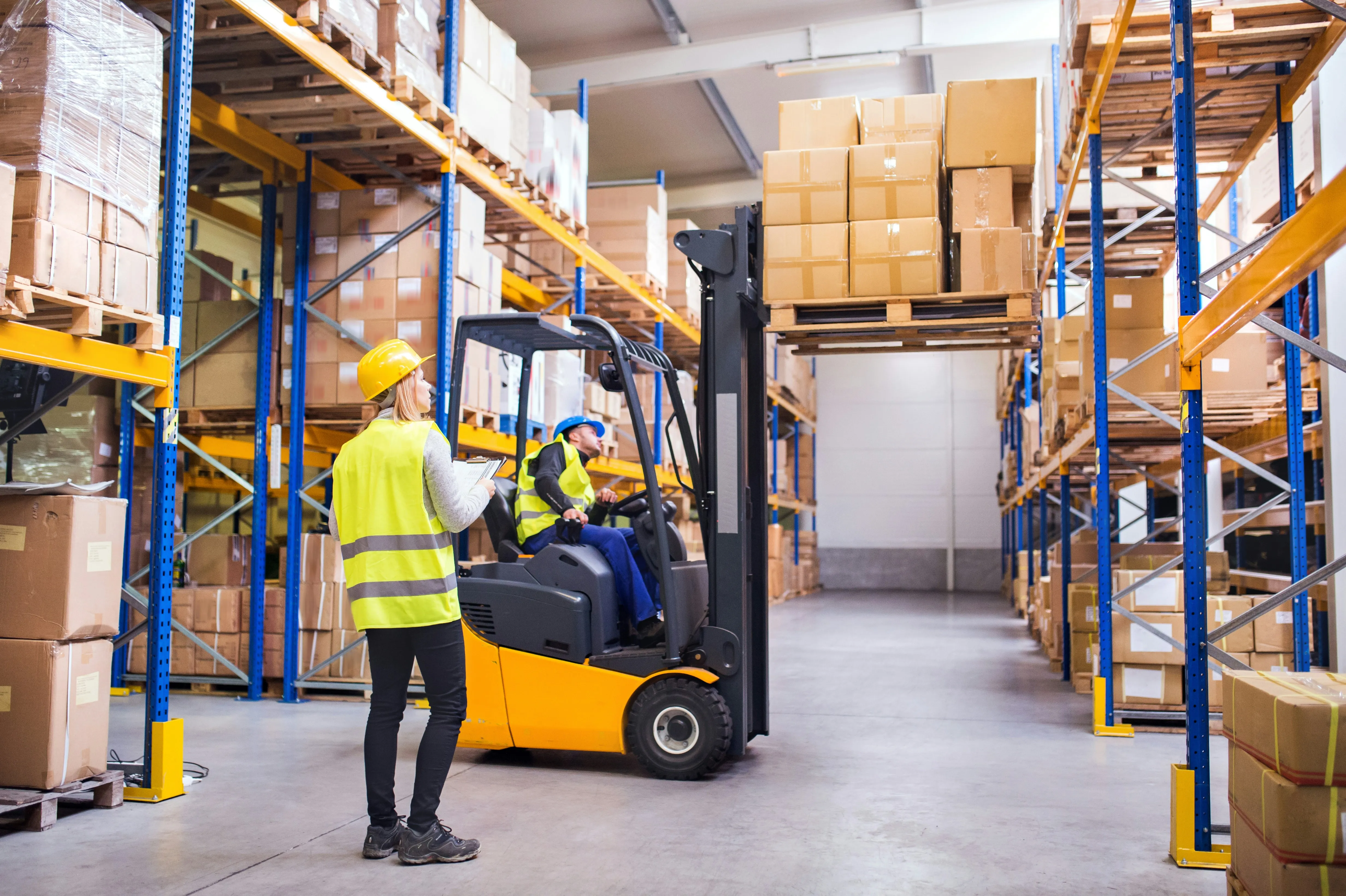
Many operators default to low shelving or floor-level storage when they first set up their warehouse. It feels practical in the moment, but it leaves the most valuable real estate in the building completely unused: the vertical space above your inventory.
Taller shelving units with multiple tiers can dramatically increase your effective storage capacity without expanding your footprint. The tradeoff is a modest investment in shelving hardware and, in some cases, a step ladder or rolling cart — both of which pay for themselves quickly when the alternative is a larger suite.
4. Organize inventory by velocity, not by arrival
How your inventory is arranged directly impacts your storage efficiency. Products grouped by SKU number, supplier, or arrival date might feel organized, but this approach creates hidden sprawl — slow-moving items taking up prime positions, fast-movers buried in the back, and dead stock quietly occupying space that productive inventory should be using.
A velocity-based slotting approach puts your highest-turnover products in the most accessible positions and pushes slower-moving items to secondary storage. This not only improves pick efficiency (more on that in the labor section) but also forces a clearer picture of which SKUs are earning their square footage and which aren't.
For a deeper look at how to calculate and optimize your storage setup, see our guide to calculating warehouse storage space.
5. Stop sizing your space around your peak
Many product-based businesses make the mistake of overcommitting to space based on peak-season assumptions rather than what most of the year looks like. The result is a warehouse that feels appropriately sized in November and oversized from January through September.
If your current warehousing model doesn't flex with your actual volume, you're essentially subsidizing your busiest six weeks with margins from the other 46. The fix isn't always a smaller space — it's a model that lets you scale up when you need it and scale back when you don't.
Related: Preparing for peak season success
How do you reduce labor costs by improving pick-and-pack efficiency?
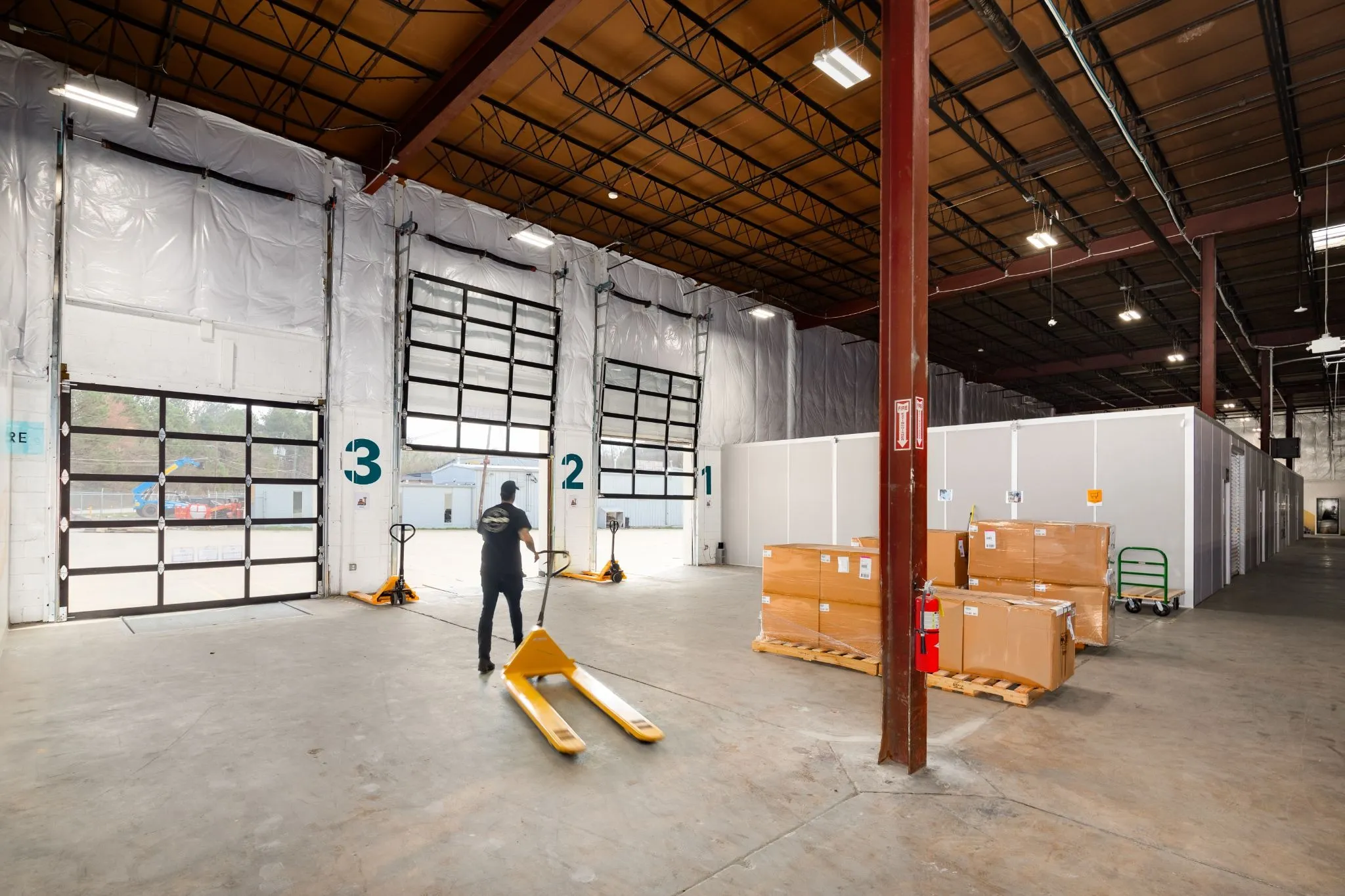
Labor costs carry the greatest variance in fulfillment. They scale directly with order volume, making them one of the more controllable expenses when the right efficiency strategies are in place.
One trap product-based businesses fall into is organizing inventory by convenience rather than by velocity. It may seem like a good idea to group products by SKU number, supplier, or arrival date, but it can actually hinder operational efficiency.
- When high-velocity products are stored in the back of a warehouse, every pick takes longer, driving up costs.
- Placing fast-moving SKUs closest to packing stations reduces travel time and increases picks per hour without adding staff.
Many product-based businesses default to staffing for their busiest periods year-round, which means carrying labor costs that don't reflect actual demand most of the time. Aligning staffing levels with real volume patterns protects labor budgets without leaving peak periods shorthanded.
Beyond staffing, the physical layout of your packing station also plays an important role in labor efficiency. A well-organized packing station with supplies in fixed positions reduces errors, limits rework, and cuts the time lost hunting for materials.
Related: How to set up a warehouse
How do smarter fulfillment operations reduce shipping costs?
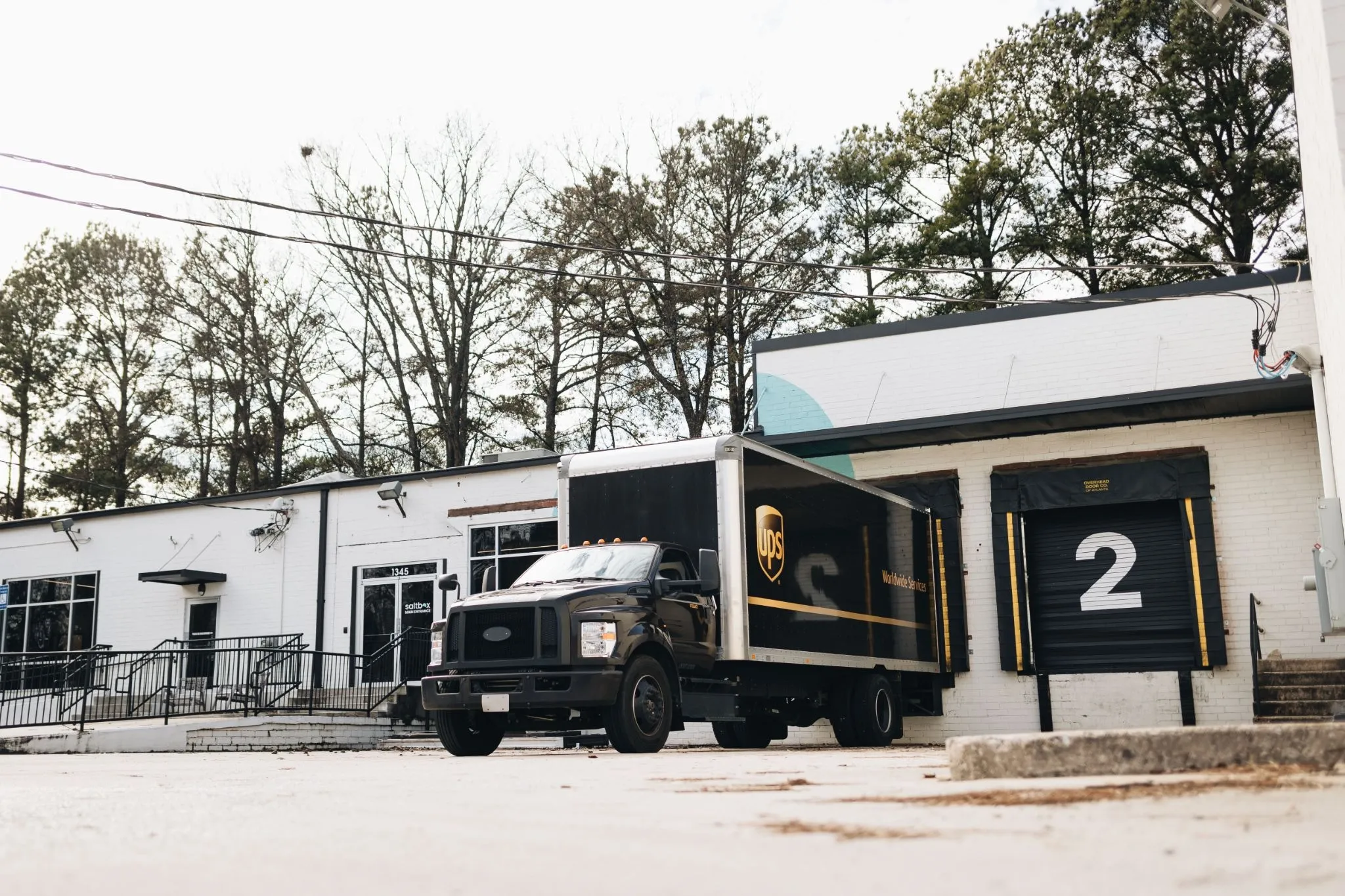
Smarter fulfillment operations reduce shipping costs by addressing internal inefficiencies, which are often a bigger cost driver than carrier rates. Despite what product-based business owners may think, the following elements have the biggest impact on shipping costs:
- Distance of order
- Order package process
- Order speed through the fulfillment process
Surprisingly, DIM weight is one of the most overlooked shipping cost drivers in any product-based organization. Using the right-sized packaging for product dimensions reduces dimensional weight charges and lowers fulfillment expenses.
Outside of packaging, operational lags and inefficiencies are the next biggest driver of shipping costs. Simple delays in pick, pack, and handoff often require expedited shipping, which can quickly erode margins.
Co-warehousing models help reduce some of these costs through built-in infrastructure that supports efficient outbound workflows and carrier access.
What are the hidden costs of rigid fulfillment models?
The hidden costs of a rigid fulfillment model include long-term leases on unused space, complex pricing structures, and limited flexibility for growth.
On the surface, working with a 3PL might seem like it makes a lot of sense — a large network, name recognition, reputation, etc. But what many online sellers don't see is the hidden costs associated with a rigid fulfillment model.
Most product-based businesses lock in long-term warehouse arrangements based on peak-season assumptions that don't accurately reflect regular volume for the majority of the year. So what happens is that companies pay for space they don't need for most of the year.
Along with unused space, most 3PL contracts are a "one-size-fits-all" approach that doesn't align with how product-based businesses grow.
Related: 5 signs your business isn't ready for a warehouse commitment
What common mistakes drive up warehouse costs?
The four most common mistakes driving up warehouse costs include:
- Overbuilding too early: Committing to more space than the current volume justifies creates fixed costs that are hard to unwind.
- Poor inventory placement: Storing products by arrival date or SKU number instead of velocity slows every pick and compounds labor costs over time.
- Ignoring small inefficiencies: A few extra steps per pick, a disorganized packing station, or inconsistent carrier selection add up fast at scale.
- Treating fulfillment costs as fixed: Operators who don't regularly audit their layout, labor flow, and shipping miss the most accessible cost-reduction opportunities.
How does flexible warehousing help product-based businesses control costs?
Flexible warehousing helps product-based businesses control costs through optimized layouts, on-site support, and scalability.
Contrary to popular belief, cutting costs doesn't have to mean a reduction in service. In fact, most companies can achieve better cost control through improved systems and processes.
At Saltbox, we design our facilities to provide members with the flexibility to build their ideal warehouse environment. High ceilings, dedicated outbound workflows, and carrier access let you create fulfillment processes that minimize labor expenses.
As a Saltbox member, you also get:
- Your own private suite with full visibility into your inventory at all times. No shared shelves, no uncertainty about where your products are. Just complete control over your space and your stock.
- Carrier pickups directly from our loading docks, which means no more post office runs.
- An on-site team to help when you need additional support, such as FBA prep, inventory organization, or space optimization.
You own your business — we help run your operations so you can have a life outside it.
If you're looking for a flexible warehouse solution to help reduce fulfillment costs, our team is here to help. Book a tour today at one of our 11+ locations.
Frequently asked questions
The biggest warehouse cost drivers for product-based businesses are storage, labor, and shipping. Most cost issues trace back to inefficiencies in layout, labor flow, and shipping strategy rather than external factors.
Product-based businesses can reduce storage costs by auditing their existing layout for dead zones, optimizing vertical space, and organizing inventory by velocity. Small configuration changes often unlock meaningful capacity without requiring additional square footage.
Dimensional weight is a pricing method carriers use that accounts for package size rather than actual weight. Right-sizing packaging to product dimensions reduces dimensional weight charges and lowers per-shipment costs.
Inventory placement directly affects how far warehouse staff travel per pick, which drives up labor costs over time. Placing fast-moving SKUs closest to packing stations reduces travel time and increases picks per hour without adding headcount.
Traditional 3PLs often come with long-term contracts, rigid pricing structures, and space commitments that don't flex with actual order volume. Brands that outgrow or underlevel their 3PL agreement frequently end up paying for capacity they don't need.
Flexible warehousing allows product-based businesses to scale their space and support up or down based on actual demand rather than peak assumptions. Models like Saltbox provide the infrastructure and operational support growing brands need without locking them into fixed commitments.