


Key takeaways
- Small bay warehouse spaces offer a practical middle ground for businesses that have outgrown running their ecommerce business from home but aren't ready for a traditional warehouse lease, with month-to-month contracts and units typically ranging from 200 to 1,000 sq ft.
- The versatility of small bay warehouse space makes it useful across a range of business types, from ecommerce brands picking and packing orders to contractors staging materials between jobs.
- Modern co-warehousing environments like Saltbox have raised the bar for what small bay warehouse space can offer, combining flexible contracts with shared infrastructure and on-site logistics support.
After speaking with hundreds of small business owners in January, one of the biggest concerns I heard was a lack of adequate warehousing space.
For many growing ecommerce businesses, navigating storage and shipping can be challenging, especially when you’ve outgrown your home operations but aren’t quite ready for a traditional warehouse.
While some brands try to force their operations into a 3PL solution, there is a better model that offers smaller, more flexible space: small bay warehouses.
Small bay warehouse spaces are often the best option for brands that need more than a typical garage setup but want to maintain control and flexibility in their fulfillment strategy.
In the following sections, we’ll dive deeper into small bay warehouse spaces, exploring what they are, why they’re appealing to small businesses, and how they compare to other warehousing options.

Pro tip: Even at home, your inventory should be organized to help your business grow.
Still completing fulfillment operations from your house? Read our smart seller’s guide to a stress-free home warehouse set, which includes actionable tips on inventory management, storage solutions, and shipping workflows.
Get the guideWhat are small bay warehouse spaces?
Small bay warehouse spaces are compact, flexible units within a larger shared facility, designed for businesses that need real operational space without the cost or commitment of a traditional warehouse lease.
Most of these small warehouse units range from 200 to 1,000 sq ft, and are the next logical step for small product-based businesses that have outgrown their home operations. Since they are usually part of large warehouses or co-warehousing spaces, they also come with shared infrastructure and operational support.
For instance, small bay warehouse spaces at Saltbox allow members to use shared spaces, on-site labor, and carrier services.
Why are more small businesses looking at small bay warehouse space?
The main reasons many small businesses are looking at small bay warehouse spaces include contract terms, cost predictability, and operational credibility.
Most online sellers reach a point where their home storage or storage units no longer work, and committing to a traditional warehouse can feel overwhelming, especially if order volume is unpredictable. In small bay warehouse spaces, online sellers can opt for monthly leases, providing greater flexibility.
Month-to-month pricing, like that offered here at Saltbox, also lets ecommerce owners plan without being locked into multi-year commitments that don’t reflect their actual growth pace.
Additionally, small bay warehouses provide an added level of credibility for online sellers. Having a dedicated warehouse address and workplace signals professionalism to suppliers, partners, and customers.
Who typically uses small bay warehouse space?
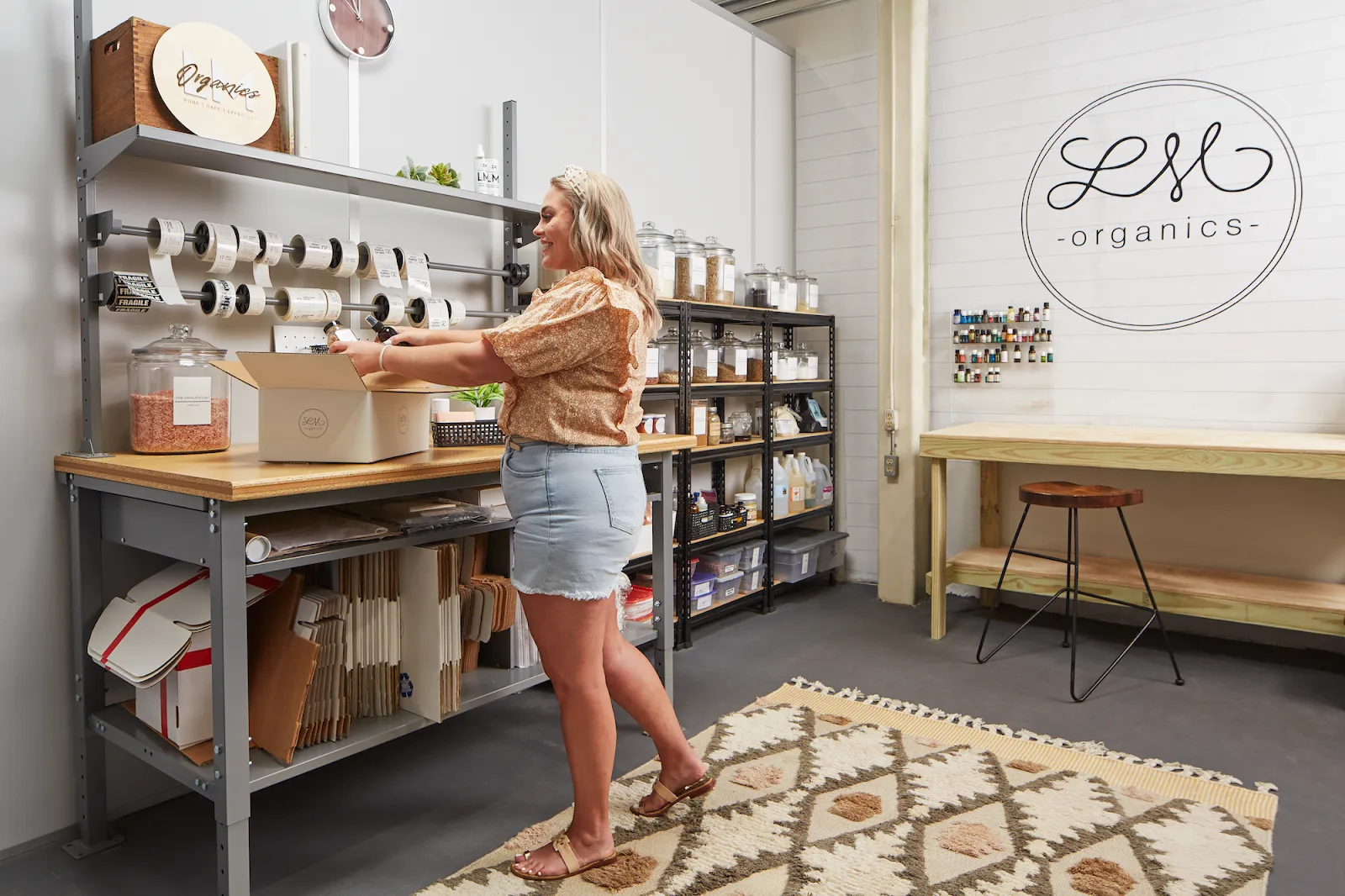
While a great option for many brands, the following types of businesses tend to use small bay warehouse space the most:
- Ecommerce brands: product-based businesses that have outgrown home fulfillment and need a dedicated pick, pack, and ship environment
- Makers and craftspeople: businesses that need both production space and storage under one roof without paying for a full industrial unit
- Contractors and trades: operators who need accessible, organized storage for tools, materials, and equipment between jobs
- Small distributors and importers: businesses managing inbound inventory that need flexible, accessible space without 3PL minimums or long-term commitments
What can businesses do in a small bay warehouse?
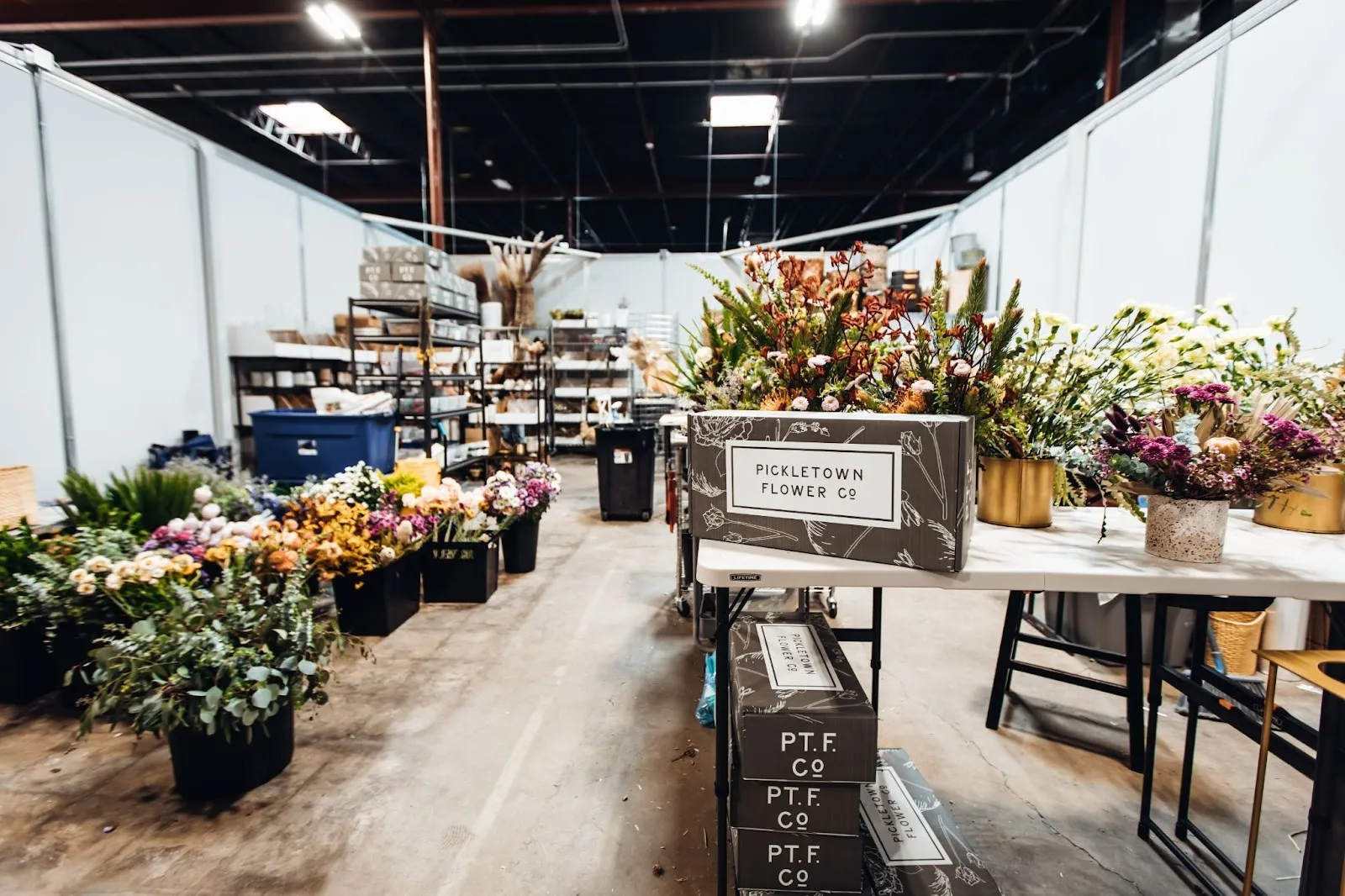
In a small bay warehouse, businesses can:
- Receive and store inventory
- Pick, pack, and ship orders
- Run light production or assembly
- Stage materials and equipment
Beyond term flexibility and consistent costs, usability is often one of the biggest reasons online sellers choose a small bay warehouse.
These spaces are often big enough to comfortably house products without feeling overwhelming. They also provide the space needed for kitting or small-batch manufacturing, along with storage.
How does small bay warehouse space compare to other options?
Compared to other options in the market, small bay warehouse spaces are often the middle ground for many ecommerce owners who have outgrown their current home operations. They’re typically bigger and more versatile than a storage unit, but don’t require the commitment of a traditional warehouse or 3PL provider.
The chart below provides a clear picture of how small bay warehousing compares to other options.
Why are small bay warehouse spaces growing in popularity?
Small bay warehouse spaces are growing in popularity due to the rise of product-based ecommerce businesses. More and more online sellers are scaling faster than ever before, creating demand for flexible, right-sized warehouse space.
Instead of traditional commercial real estate, owners are now seeking solutions that give them greater control over inventory and leasing terms.

Flexible membership options for small bay spaces at Saltbox
Scaling your ecommmerce business doesn’t have to mean long-term leases and rigid contracts. Saltbox’s flexible month-to-month memberships are affordable and allow you to choose the space that meets your company’s needs.
Explore Saltbox memberships
With economic uncertainty expected to persist into 2026, being locked into a long-term contract could pose financial challenges. The month-to-month model of small bay warehouses gives brands the flexibility to scale up and down to meet customer demand.
Another reason small bay warehouse solutions are catching on with small business owners is the quality of shared infrastructure. Co-warehousing models like Saltbox provide businesses not just with space for inventory, but with additional resources like:
- Loading docks
- Freight access
- On-site labor
- Co-working areas
- Dedicated office space
Ultimately, a small bay warehouse space allows you to grow your business in a modern warehouse environment without the enterprise-level overhead.
How does Saltbox support businesses using small bay warehouse spaces?
Beyond simply providing space to operate, Saltbox offers small businesses a modern twist on traditional small bay warehouse spaces. With flexible, right-sized warehouse suites, owners have a dedicated area to run operations while using shared infrastructure and on-site logistics support.
Saltbox’s month-to-month contract model allows ecommerce brands to focus on growth rather than incurring high overhead costs, making it a practical middle ground between DIY warehousing and outsourcing to a 3PL.
Ready to explore the next step in your ecommerce journey? Book a tour with our team today to view our small bay warehouse spaces.
Frequently asked questions
Small bay warehouse units typically range from 200 to 1,000 sq ft, making them a practical option for small businesses that need more than a storage unit but aren't ready for a full warehouse lease.
Unlike storage units, small bay warehouse spaces are designed for active business operations. They support receiving, picking, packing, shipping, and light production, and are typically located within larger facilities with shared infrastructure, such as loading docks and freight access.
Small bay warehouse spaces work well for ecommerce brands, makers, contractors, and small distributors who need flexible, operational space without the commitment of a traditional warehouse lease.
Most small bay warehouse environments, including Saltbox, offer month-to-month memberships that give businesses the flexibility to scale up or down without being locked into long-term contracts.
Amenities vary by facility, but modern co-warehousing environments like Saltbox typically include loading docks, freight access, on-site labor, co-working areas, and dedicated office space.
For brands that want to maintain control over their fulfillment operations without the overhead of a traditional warehouse, small bay space can be a strong alternative to outsourcing to a 3PL.