.webp)


Key takeaways
- Retention starts in your warehouse, not your inbox. Slow fulfillment, damaged boxes, and inconsistent packaging undo every loyalty email you send. The brands that win repeat orders treat operational reliability as a marketing channel, building trust on every doorstep delivery before they ask the customer to come back.
- Home-based fulfillment caps out around 30 to 50 orders a day. Beyond that, pick errors climb, packing quality drifts, and a residential address quietly hurts wholesale credibility. Moving into a dedicated suite with a loading dock and daily carrier pickups removes the operational friction that costs you repeat purchases.
- The unboxing moment is the most underused retention lever in ecommerce. A "perfect pack" photo at every station, a branded insert, and a $0.30 thank-you card create a $100 experience on a $30 order. Consistency at every volume is what turns one-time buyers into reorder customers.
- Saltbox is built for exactly this stage. Month-to-month warehouse suites, daily carrier pickups, on-site operations teams, and content studios under one roof, so your unboxing standards hold at 200 orders a day just as well as they did at 20.
Acquiring a new ecommerce customer costs 40% more than it did just two years ago, and brands now lose an average of $29 on every first purchase. That math makes one thing clear: growth depends less on finding new buyers and more on keeping the ones you already have.
The most effective customer retention tactics for ecommerce aren't limited to email sequences and discount codes. They extend into your warehouse, your packaging station, your returns process, and the physical infrastructure that supports every order. Retention is an operational discipline, and the brands that treat it as such are the ones building real equity. This article breaks down the specific systems, from fulfillment professionalism to community-driven loyalty, that turn one-time buyers into loyal repeat customers.
Customer retention starts with your operational infrastructure
Most retention conversations focus on marketing: loyalty programs, personalized emails, retargeting ads. Those matter, but they can't compensate for a broken operational foundation. If your fulfillment is slow, your packaging inconsistent, or your shipping unreliable, no amount of clever copywriting will bring a customer back. Retention begins the moment an order is placed, and every step between that click and the doorstep delivery either reinforces trust or erodes it.
I ask members this all the time: what makes you go back to a brand? The answer is almost always the same. The product arrived on time, the box wasn't damaged, and the experience felt professional. That consistency doesn't happen by accident. It's the result of deliberate infrastructure decisions: where you store inventory, how you pick and pack orders, and which carriers handle the last mile. Brands shipping fewer than 50 orders per day can manage this from home, but once volume crosses that threshold, cracks appear fast.
Moving beyond the garage to professionalize your fulfillment
There's a real psychological and professional cost to running fulfillment from your home. The blurred boundaries between work and personal life take a toll, and the physical limitations of a residential space create bottlenecks. You can't install commercial racking in a garage. You can't receive a full pallet delivery without a loading dock. And you can't maintain pick accuracy targets of 99.5% when your inventory is spread across closets and storage bins.
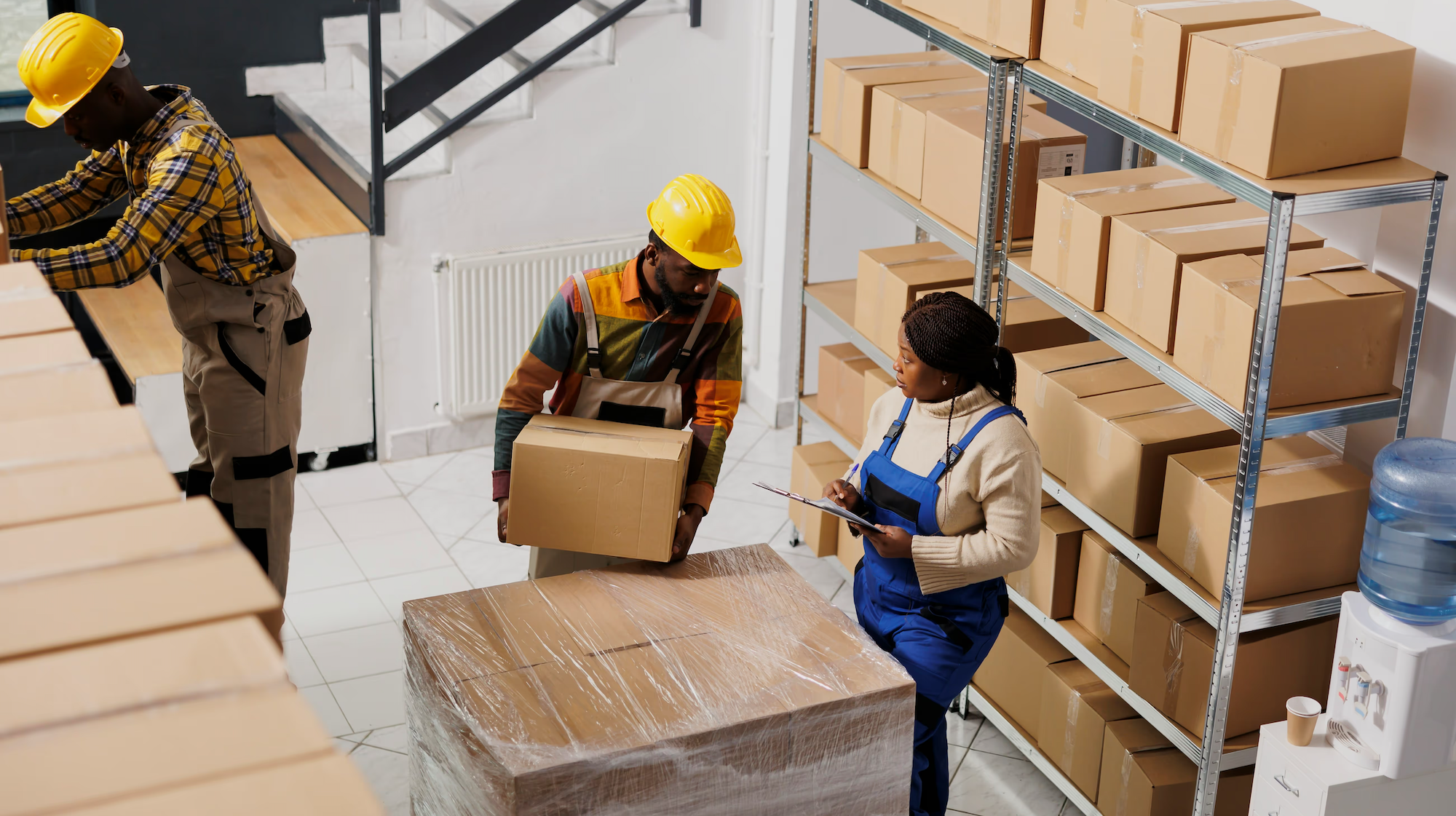
The transition to a commercial space is a retention decision, not just an operations one. A dedicated warehouse suite gives you room to build proper packing stations with visual aids like "perfect pack" photos, organize SKUs for efficient picking, and maintain the quality control that keeps customers coming back. Saltbox offers month-to-month warehouse suites across U.S. markets, pairing dedicated space with loading docks, daily carrier pickups from all major carriers, and on-site operations teams who handle receiving so you're not starting every morning unloading pallets. That kind of setup removes the friction that causes fulfillment errors, and fewer errors mean fewer disappointed customers.
The financial math also favors this move. Traditional industrial leases come with triple-net structures, CAM charges, and capital expenditure for build-outs. For a growing ecommerce brand, those fixed costs are dangerous. Flexible, month-to-month memberships let you scale your space alongside your order volume without locking yourself into a commitment that drains your margins when Q1 slows down.
How reliable shipping builds customer loyalty
Shipping speed and reliability are among the strongest predictors of repeat purchase behavior. A customer who receives their order in two days with tracking updates at every stage is far more likely to reorder than one who waits a week with no communication. The difference often comes down to carrier infrastructure and geographic positioning.
Here's a concrete example I walk through with members constantly. Shipping from Dallas to New York versus from New Jersey to New York. The Dallas shipment crosses multiple shipping zones, adding cost and transit time. The New Jersey shipment arrives faster and costs less. If a significant portion of your customer base is concentrated on the East Coast, warehousing near that population center directly improves the delivery experience.
Daily carrier pickup cutoff times also matter. If your carrier pickup happens at 3 PM and you're still packing orders at 4 PM, those packages sit until the next day. That one-day delay compounds across your customer base, turning what should be two-day delivery into three or four. Facilities with built-in carrier infrastructure, including daily pickups from UPS, USPS, and FedEx, eliminate this bottleneck and help you consistently meet your delivery promise.
5 customer retention tactics every ecommerce business should use
1. Personalize the post-purchase experience
In my experience, the post-purchase window is the single most underused retention opportunity in ecommerce. Between the moment a customer completes checkout and the moment they open the box, you have their full attention. They're checking tracking, anticipating delivery, and forming opinions about your brand. What happens during this window shapes whether they'll buy again.
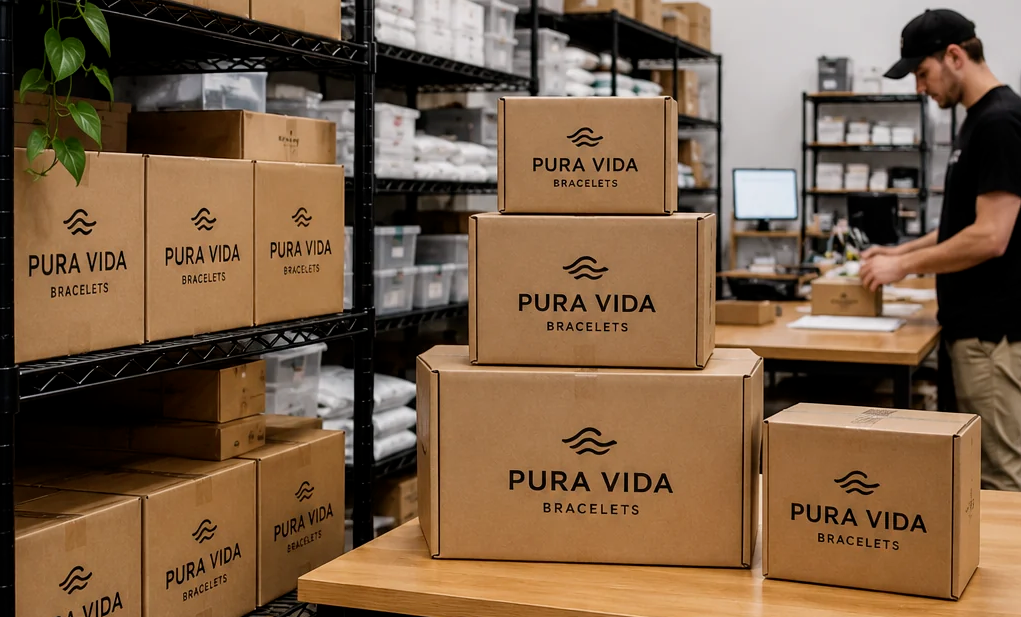
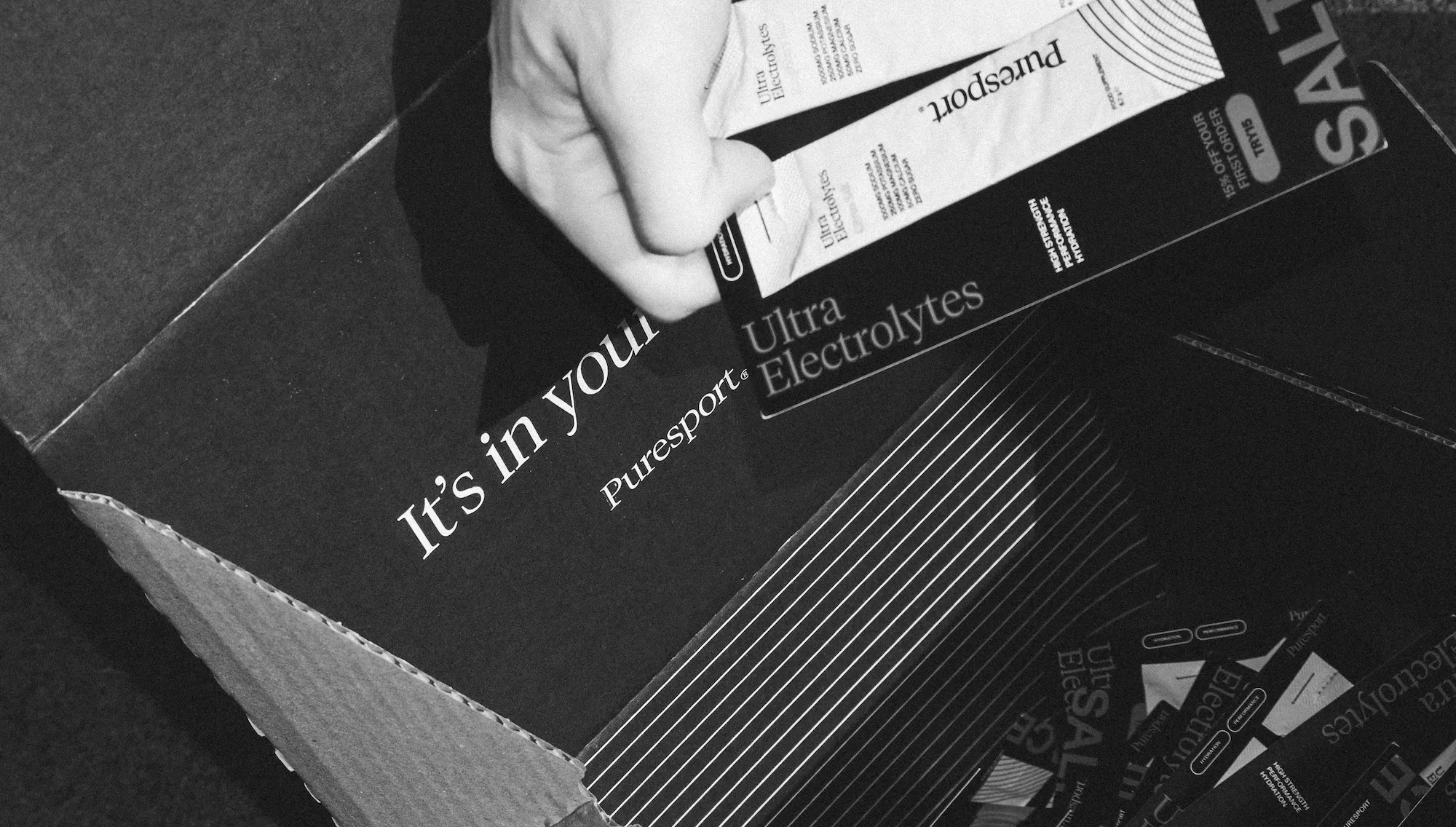
Personalization here doesn't require expensive technology. It requires intention. A well-designed unboxing experience, a handwritten note, or a product insert with a relevant recommendation can make a $30 purchase feel like a $100 experience. These physical touchpoints carry more emotional weight than any email because the customer is holding your brand in their hands. It's also one of the clearest differentiators between brands that fulfill in-house and those that hand their orders to a 3PL and lose control of that moment entirely.
Effective inserts serve a specific purpose. A card with a QR code linking to a how-to video for the product they just purchased adds genuine value. A discount code for a complementary item drives the next purchase. A simple thank-you card signed by a team member creates a human connection. These touches cost $0.10 to $0.50 per order, but their impact on lifetime value is disproportionate.
The key is consistency. Every order should deliver the same experience whether you ship 20 packages a day or 200. Post a "perfect pack" photo at each station so every team member knows exactly how the tissue paper folds, where the insert goes, and how the product sits in the box. That level of detail is what separates a forgettable delivery from one that gets shared on social media.
2. Get a professional business address

Your business address appears on invoices, return labels, and supplier communications. A residential address signals a hobby. A professional commercial address signals a real business. This distinction matters more than most founders realize, especially when dealing with wholesale accounts, retail buyers, or international suppliers who vet partners before placing orders.
A professional address also reinforces customer confidence. If a buyer needs to return a product and sees a commercial address on the label, they feel more secure about the transaction. That sense of security reduces purchase hesitation on future orders. It's a small detail with a compounding effect on retention.
Saltbox members receive a professional business address as part of their membership, alongside access to meeting rooms and content studios. That means you can host a supplier meeting, shoot product photography, and ship orders all from the same location, removing the operational fragmentation that costs growing brands time and money.
3. Optimize your returns and exchanges for long-term growth
Returns aren't a cost center. They're a retention mechanism. Ecommerce return rates run 20% to 30% depending on the category, and how you handle those returns determines whether the customer comes back or leaves for a competitor. A painful return process is one of the fastest ways to lose a customer permanently.
The goal isn't to eliminate returns but to make them painless. Brands that offer free, simple returns see higher repeat purchase rates because the customer feels no risk in buying again. That confidence drives larger cart sizes and more frequent orders.
Your return policy should be clearly stated on your product pages, in your confirmation emails, and inside the package itself. Spell out the timeline, the process, and the options: refund, exchange, or store credit. Many brands find that offering store credit as the default option recovers 30% to 40% of return revenue while keeping the customer in the ecosystem.
4. Streamline reverse logistics with flexible warehouse space
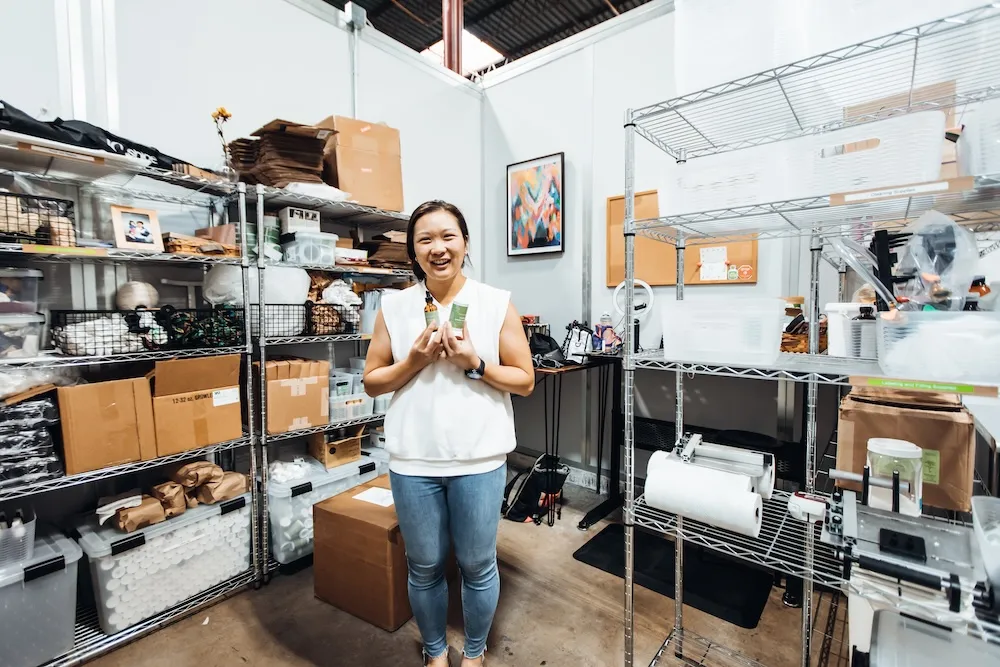
Processing returns efficiently requires dedicated space and clear workflows. You need a receiving area where returned items are inspected, a system for grading condition, and a process for restocking or disposing of unsellable inventory. Cramming this into a garage alongside your outbound fulfillment creates chaos.
Flexible warehouse space solves this without requiring a massive commitment. A dedicated suite with enough room for both outbound and inbound operations lets you process returns the same day they arrive. Faster processing means faster refunds or exchanges, and faster resolution means happier customers. On-site operations teams at Saltbox locations can handle receiving and inventory management, freeing you to focus on the customer communication side of the return experience.
Track your return data closely. If a specific SKU has a return rate above 15%, that's a product problem, not an operations problem. Use return reasons to improve product descriptions, sizing guides, and photography. Every return you prevent through better information is a customer you retain without spending a dollar on marketing.
5. Build community and exclusivity around your brand
Retention isn't purely transactional. The brands with the highest lifetime customer value create a sense of belonging. Customers don't just buy products; they identify with the brand. This is why community-building and exclusivity programs are among the most powerful retention tactics available.
Community can take many forms. A private Facebook group for customers, a Slack channel for your most engaged buyers, or even a simple SMS list for early access announcements can create the feeling of being an insider. The common thread is that members receive something the general public doesn't: information, access, or recognition.
Early access programs are particularly effective because they tap into urgency and exclusivity simultaneously. When a loyal customer gets first access to a new product drop 48 hours before the general public, they feel valued. That emotional response is far more powerful than a 10% discount code.
Structure your program around tiers based on purchase history or engagement. A simple three-tier system works well for most brands:
- Tier 1 (1 to 2 purchases): Early access to sales and new arrivals
- Tier 2 (3 to 5 purchases): Free shipping on all orders plus birthday rewards
- Tier 3 (6+ purchases): Exclusive products, invitations to virtual events, and input on upcoming designs
The operational requirement here is reliability. If you promise early access, your fulfillment must be ready to ship those orders immediately. Nothing destroys trust faster than promising exclusivity and then delivering late. This is where having your operations infrastructure locked down, with daily carrier pickups and organized inventory, becomes a retention tool rather than just an operational necessity.
Subscription models are another way to build recurring revenue while deepening customer relationships. Brands offering replenishment or curated box subscriptions see significantly higher retention rates than those relying solely on one-time purchases.
Bonus: How to scale your retention tactics without losing control
Growth introduces complexity. The systems that worked at 30 orders per day break at 150. The packing process that one person managed flawlessly becomes inconsistent when three people are involved. Scaling retention means scaling the operational systems that deliver the customer experience, without sacrificing the quality that earned loyalty in the first place.
This is the stage where many founders face a difficult choice: hand everything to a 3PL or try to manage it all in-house. Neither extreme is ideal. A 3PL removes your control over the unboxing experience and customer communication. Fully internal operations require significant capital for space, equipment, and staff. The middle path, fractional warehousing with on-site support, preserves control while reducing overhead.
Transition from home-based operations to fractional warehousing
Fractional warehousing gives you a dedicated space within a shared facility. You get your own suite, your own inventory, and your own packing stations, but you share the building's infrastructure: loading docks, carrier relationships, and common areas. This model typically saves 15% to 25% compared to a standalone lease because the fixed costs are distributed across multiple members.
The transition from home-based operations to a professional facility is one of the most significant inflection points for ecommerce retention. Your pick accuracy improves because inventory is properly organized. Your shipping speed increases because carriers pick up daily. Your packaging consistency improves because you have room for proper stations and standard operating procedures. Every one of those improvements directly affects whether a customer orders again.
Brands processing 50 to 200 orders per day are the sweet spot for this model. You have enough volume to justify the move but not so much that you need a 10,000-square-foot standalone warehouse. Saltbox's co-warehousing model, recognized by Fast Company as one of the Most Innovative Companies in 2022, was built specifically for this growth stage, with suites that scale month to month as your business changes.
Use on-site support to maintain quality standards
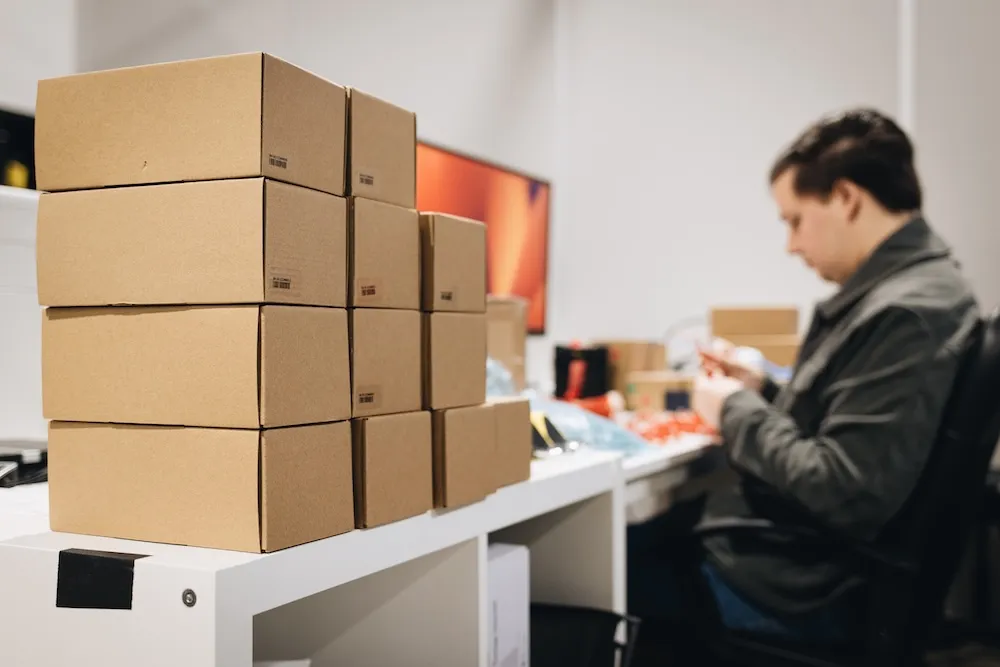
As you scale, maintaining quality standards requires more than good intentions. It requires systems and people. On-site operations support, whether that's staff who handle receiving and inventory counts or teams that assist with pick and pack during peak periods, provides a safety net that prevents quality from slipping as volume increases.
The cost of a mis-shipped order isn't just the replacement shipment. It's the customer who doesn't come back. At scale, even a 1% error rate across 5,000 monthly orders means 50 customers with a negative experience. If even half of those customers don't return, the revenue impact compounds quickly.
On-site teams also help you maintain your unboxing standards during high-volume periods like Black Friday or a product launch. These are precisely the moments when new customers are most likely to form lasting impressions of your brand, and they're also the moments when fulfillment quality is most likely to slip. Having trained support available on-site, rather than scrambling to hire temporary help, protects the customer experience when it matters most.
Turn retention into your competitive advantage
The ecommerce brands that win over the next decade won't be the ones with the lowest acquisition costs. They'll be the ones with the highest repeat purchase rates. Every operational decision you make, from where you warehouse inventory to how you fold tissue paper in a box, either strengthens or weakens that repeat purchase rate.
Start with your infrastructure. Get out of the garage, professionalize your fulfillment, and build systems that deliver a consistent experience at every order volume. Then layer on the personalization, the community, and the exclusivity programs that give customers a reason to stay. Retention isn't a single tactic. It's the sum of every interaction your customer has with your brand.
If you're ready to build the operational foundation that makes retention possible, book a tour at a Saltbox location near you. Walk the space, meet the on-site team, and see what a professional fulfillment setup actually looks like at your order volume.
Frequently asked questions
Most brands hit the ceiling between 30 and 50 orders per day. That is where pick errors climb, carrier cutoffs get missed, and inventory starts spilling into living spaces. The financial signal matters too: if you are spending three or four hours a day on fulfillment, that is time pulled directly from sourcing, marketing, and product development. A dedicated suite with a loading dock and daily carrier pickups solves the operational bottleneck and protects the customer experience that drives repeat orders.
Retention is built on operational consistency. A customer who waits a week for an order, opens a damaged box, or gets the wrong product rarely buys again. Fast shipping, accurate picks, and a clean unboxing experience compound across thousands of orders into a higher repeat purchase rate. A warehouse with a loading dock, daily carrier pickups, and proper packing stations removes the friction that quietly erodes trust. Infrastructure is not a back-office cost. It is the foundation of every retention email, loyalty program, and post-purchase touchpoint you run.
A "perfect pack" photo posted at every packing station shows exactly how each product type should be wrapped, where the insert sits, and how the product is oriented in the box. It turns packing from an inconsistent task into a repeatable standard, which means every customer gets the same unboxing experience whether you ship 20 orders a day or 200. That visual standard reduces packing errors, protects the moment customers actually feel your brand, and drives the social shares and reorders that compound over time.
Shipping speed is one of the strongest predictors of repeat purchase behavior. Customers who get their order in two days with active tracking updates are far more likely to come back than those who wait a week with no communication. Two factors decide the outcome: where your inventory sits and when your carrier picks up. Warehousing closer to your customer base cuts zones, and a facility with daily pickups from UPS, USPS, and FedEx into the late afternoon means more orders ship same-day and arrive on the promised date.
Returns are a retention mechanism. Ecommerce return rates run 20 to 30 percent depending on category, and how you handle the process decides whether the customer comes back. Brands that offer simple, clearly-stated returns see higher repeat purchase rates because buyers feel no risk on the next order. Offering store credit as the default option recovers 30 to 40 percent of return revenue while keeping the customer in the ecosystem. Process returns the same day they arrive, and use the reasons to fix product descriptions, sizing, and photography.
Saltbox runs month-to-month warehouse suites across 11 locations in 9 US markets, paired with loading docks, daily pickups from every major carrier, on-site logistics teams, and content studios. Brands get a professional address, the equipment to pack consistently at volume, and the flexibility to expand or contract their suite as demand shifts. That setup keeps the unboxing experience intact at 200 orders a day, which is the volume where most brands drop quality and lose the customers they worked hardest to acquire.