
.png)


Key takeaways
- TikTok’s 2026 Late Dispatch Rate (LDR) formula now counts orders that are still unshipped past their deadline, not just orders that shipped late. A backordered SKU sitting unscanned can tank your score even if you never technically shipped it late.
- Sellers need to keep their LDR at 4% or lower. Cross 10%, and TikTok imposes tiered Order Volume Limits that cap how many orders you’re allowed to sell per day, on top of throttling organic reach and ad eligibility.
- The dispatch clock is tight: orders need a carrier’s origin scan within 2 working days of payment. Printing a label isn’t enough. If the courier doesn’t scan it in time, the delay counts against you.
- Carrier-caused delays are appealable within 30 days, but only with clean documentation. Ironically, viral sales spikes, the moment sellers most want to celebrate, are exactly when LDR violations tend to happen.
You finally had a product go viral on TikTok. Orders are pouring in faster than you can pack them. Then you check your Seller Center and see your shop’s health score has dropped, and TikTok has capped how many orders you’re allowed to sell that day. That’s TikTok Shop’s Late Dispatch Rate (LDR) policy at work, and its 2026 formula update makes it easier to trip than most sellers realize.
What changed in TikTok’s Late Dispatch Rate formula

Before 2026, TikTok only penalized orders that were dispatched late. The updated formula counts unshipped orders too:
(orders dispatched late + orders canceled due to late dispatch) ÷ (total seller-fulfilled orders paid in the 7-day evaluation window) × 100
In practice, it closes a loophole sellers used to work around: letting an order sit rather than shipping it late or canceling it outright. Now inaction counts against you the same as a late shipment does.
The 4% target, and what happens if you miss it
TikTok wants sellers to hold their LDR at 4% or below. Cross the 10% threshold, and the platform imposes tiered Order Volume Limits: your daily checkout capacity gets capped, your organic reach is throttled, and your ad placements get restricted.
LDR violations also chip away at your broader Account Health Rating, so one bad week compounds into problems well beyond the fulfillment metric itself.
The 2-working-day SLA that catches most sellers off guard
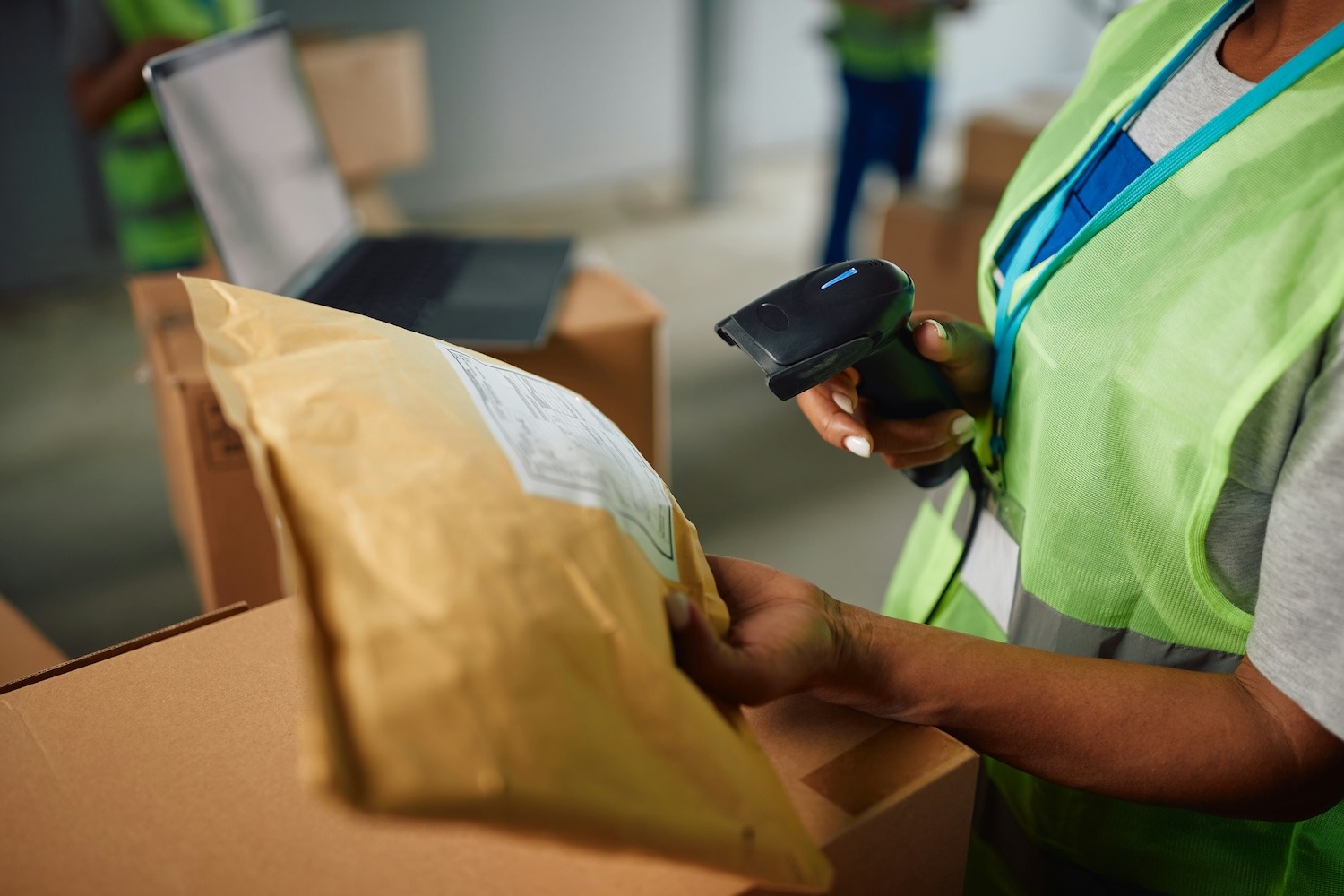
TikTok measures the carrier’s origin scan, not when you print a label. That’s the detail that trips people up. If your courier doesn’t scan the package within 2 working days of payment, you’re penalized even if you packed it on time and it left your facility.
Sellers running fulfillment out of tight quarters, or juggling TikTok Shop orders alongside other channels, are the most exposed. If a product goes viral and older orders get buried at the bottom of the queue while you pack the newest ones first, you’ll blow through the SLA on exactly the orders that have been waiting longest.
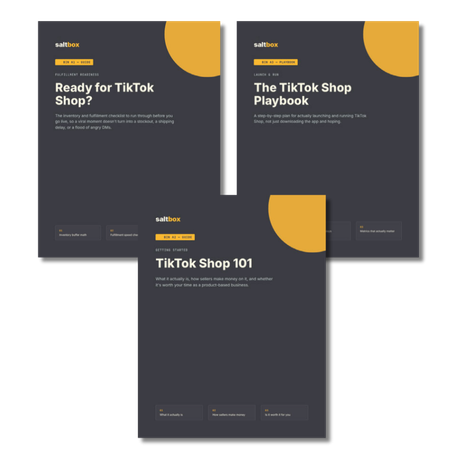
Free TikTok Shop resources
Get Saltbox's 3 TikTok Shop guides, including the fulfillment and inventory checklist to run before you launch.
Get the free guidesWhat to do if a carrier causes the delay
Carrier-caused delays are appealable, but the window is 30 days, and the documentation bar is specific: screenshots of the order’s “Time Created” and “Late Dispatch After” deadlines, plus an official delay notice from the carrier with their company name, the affected tracking numbers, the reason for the delay, and a signature or seal.
If the first appeal is rejected, sellers get one more shot within 15 days. Waiting to gather that proof after the fact rarely works. It has to be part of your process from day one.
The real fix: fulfillment that can absorb a spike without missing the clock
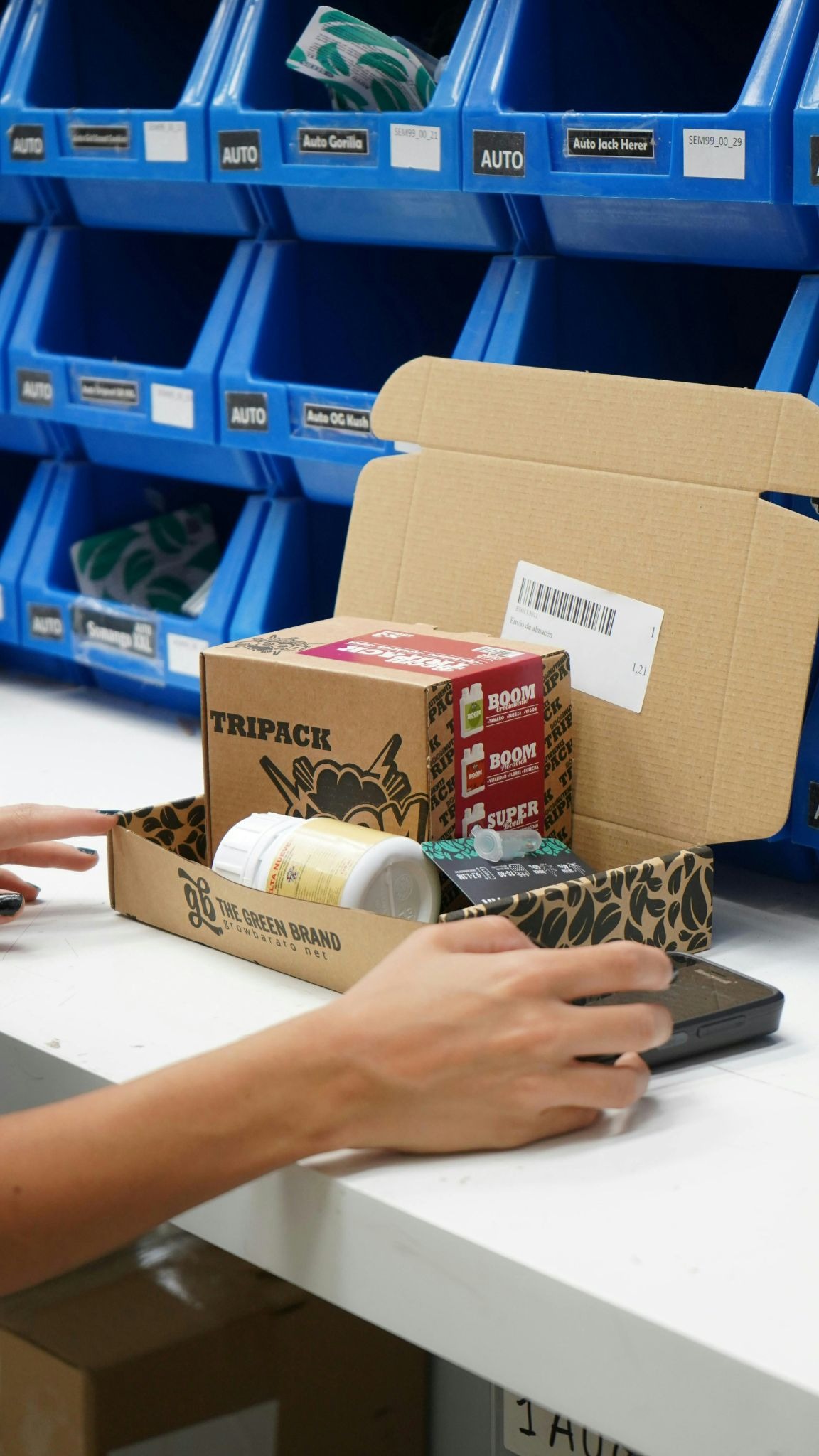
The sellers who stay under 4% aren’t the ones scrambling after a viral moment. They’re the ones whose fulfillment setup can absorb a demand spike without breaking the 2-day SLA: same-day pack cutoffs, strict first-in-first-out order queues, and a physical space built around getting product to the carrier fast, not just stored until someone gets around to it.
That’s the difference between flexible warehouse space with daily carrier pickups built in, and a self-storage unit you’re driving to after your day job. If a sales spike is more likely to trigger an Order Volume Limit than a celebration, it’s worth a conversation about what your fulfillment setup can actually handle.
Speak to an expert at Saltbox about flexible warehouse space built for order volume that moves fast.
Frequently asked questions
It’s the percentage of a seller’s orders that were shipped late or are still unshipped past their deadline, calculated over a rolling 7-day window of paid orders.
TikTok targets an LDR of 4% or lower. Once a seller’s LDR reaches 10% or higher, TikTok applies tiered Order Volume Limits that cap daily checkout capacity.
Yes, if a carrier caused the delay. Sellers have 30 days to file an initial appeal with documented proof, and one additional 15-day window to appeal again if the first attempt is rejected.
Standard orders need a carrier’s origin scan within 2 working days of payment. Printing a shipping label isn’t enough on its own; the package has to be physically scanned by the carrier within that window.
For Her
For Him
For Pets
For Anyone




Related posts
Learn from businesses improving their operational efficiency. Explore how Saltbox’s expert support and flexible spaces drive their growth.


2026 peak season shipping surcharges: what FedEx, UPS, USPS, and Amazon are charging
Additional handling went up about 6%. The fee on every single order went up 25%. Here’s the full 2026 surcharge picture, and what it costs you per order.
10 best 3PL companies in Atlanta, GA (2026)
Ten Atlanta 3PL providers compared on buildings and certifications, plus the case for keeping fulfillment in a suite you control.
10 best 3PL companies in Tempe, AZ (2026)
Ten 3PL providers serving Tempe, what each one is built to handle, and the case for keeping your pallets somewhere you can walk in.
Related terms
Learn from businesses improving their operational efficiency. Explore how Saltbox’s expert support and flexible spaces drive their growth.