


Key takeaways
- Most warehouses have untapped storage capacity that can be unlocked through smarter layouts, better inventory organization, and more intentional use of vertical space without adding square footage.
- Small operational changes, such as tightening aisle spacing, introducing vertical racking, and conducting regular inventory audits, can meaningfully increase usable capacity without the cost or disruption of relocation.
- Flexible warehouse design, including modular storage systems and adaptable zoning, is one of the most effective long-term strategies for keeping capacity aligned with how your business actually operates.
We spent most of February speaking with our members, and many of them expressed the need for more space, which isn't surprising, because one of the most valuable resources for an ecommerce business is warehousing space. In fact, the question "how to increase storage capacity in a warehouse?" is often among the most frequently asked by potential members.
But what we discovered after further conversations seemed to reflect a recurring theme in warehouses across the country: most warehouses "run out of space" before they truly run out of options.
The reality is that many companies are asking the wrong question. Instead of asking how to add square footage to their warehouse, they should be looking into how to increase storage capacity in the warehouse without the need for expansion.
Most storage issues stem from gaps in layout, organization, or processes, not from square footage alone.
In the following sections, we'll break down whether it's possible to increase warehouse storage capacity and ways you can maximize space without expanding the square footage.

Pro tip: Utilizing vertical organizers can help maximize warehouse space
Space is one of the most valuable assets for a product-based business, but what do you do when you “run out”? The following guide offers a look at how to optimize space, manage inventory, and plan for growth along the way.
Get the guideWhat are 5 proven ways to increase warehouse storage capacity?
There are 5 ways to increase warehouse capacity based on our expertise at Saltbox:
- Optimizing warehouse layout and aisle spacing
- Using vertical space
- Improving product organization and categorization
- Reducing dead stock
- Partnering with co-warehouses to create flexible storage zones
1. Optimize your warehouse layout and aisle spacing
Layout optimization is the best place to start when reclaiming space in your warehouse. Many operators initially overestimate the amount of aisle space needed to move equipment.
If you're looking to capture additional floor space, try tightening aisle spacing. The tighter lanes can add room without disrupting workflow.
Another layout optimization strategy to try is to break zoning down by activity type. Separating high-velocity storage from staging and project areas can reduce congestion throughout the warehouse.
Purpose-built warehouse environments like Saltbox are designed with flexible zoning in mind, making it easier to reconfigure as storage needs shift.
2. Use vertical space more effectively
Vertical space may be one of the most overlooked value adds for owners looking to increase warehouse capacity. The simple act of moving inventory and materials off the floor and onto vertical storage dramatically increases usable capacity per square foot.
For operators with ceiling height to spare, there are additional vertical options, such as elevated platforms, that can create an additional storage tier.
However, using vertical storage does mean thinking strategically about which items you choose to store and where.
Our team of experts recommends organizing vertically by how often items are needed, keeping the most-used inventory accessible and safely storing the rest above.
3. Improve inventory organization and categorization
Although layout optimization plays a large role in maximizing capacity, inventory organization and categorization can also have a significant impact.
For instance, placing fast-moving SKUs closest to pack stations helps shorten the pick paths and frees up prime floor space for active inventory. You can also organize materials by active project phase rather than category to reclaim space between jobs.
It's also beneficial to audit your equipment and materials. Many organizations lose precious space because items are scattered around the warehouse.
Instead, cluster related tools and materials by use case to help reduce over-storage in high-traffic areas.
4. Reduce dead stock, clutter, and underutilized areas
Another often-overlooked way to increase warehouse storage capacity is to reduce dead stock, clutter, and underutilized areas.
Many warehouse operators are moving so fast with fulfillment that they fail to regularly audit their inventory. In many cases, obsolete stock and unused materials are taking up space throughout the facility.
Dead inventory and unused equipment sitting on shelves carry a real cost. Clearing out that space frees up room for high-velocity items and immediately increases usable capacity.
5. Partner with a co-warehouse to create flexible storage zones
One of the most effective ways to increase capacity over time is to design zones with flexibility in mind from the start, so space can be reassigned as operations evolve.
Modular shelving and movable racking systems make this easier by allowing operators to reconfigure storage without major disruption. Temporary staging zones for inbound, outbound, and project work also help prevent low-priority areas from drifting into permanent clutter that quietly consumes usable space.
Co-warehousing models like Saltbox take this a step further by offering month-to-month flexibility at the facility level. So, instead of just reconfiguring shelves, you can also adjust the entire footprint as demand changes.
Can you increase warehouse storage capacity without adding square footage?

Yes, it's completely possible to increase warehouse storage capacity without adding square footage. In fact, most warehouses have untapped capacity that can be unlocked through:
- Smarter layouts
- Better organization
- Intentional use of vertical space
Contrary to what many operators believe, square footage is rarely the real constraint. Instead, factors like how the space is used or organized have a far greater impact on usable capacity than the total footprint.
Even small improvements to aisle configurations or the introduction of shelving systems can significantly increase the functional space in your warehouse.
What's actually limiting your warehouse storage capacity?
There are several things that can limit your warehouse storage capacity, including:
- Poor layout
- Inefficient storage systems
- Clutter
- Obsolete inventory
Many owners also underestimate the value of vertical space. Whether it's a hesitation to stack inventory in shelving systems or a desire to keep product floor-level, not using vertical storage limits the efficiency of your warehouse.
What mistakes are quietly reducing your warehouse storage capacity?
For many warehouse operators, even small mistakes, such as overcrowding storage areas and allowing unused items to accumulate, can reduce storage capacity. But, often, the biggest mistake is in treating your current warehouse layout as permanent.
When an owner first moves into a warehouse, it can feel exciting and overwhelming, which often leads to hasty decisions. One of those decisions is to design storage for a single workflow, rather than considering how operations will evolve over time.
The initial design doesn't limit space indefinitely, but the decision not to adapt the layout as the business grows is what quietly limits functionality over time.
Many operators accept their initial setup as fixed, even though small reconfigurations could unlock significant capacity.
How does organization and visibility unlock hidden capacity?
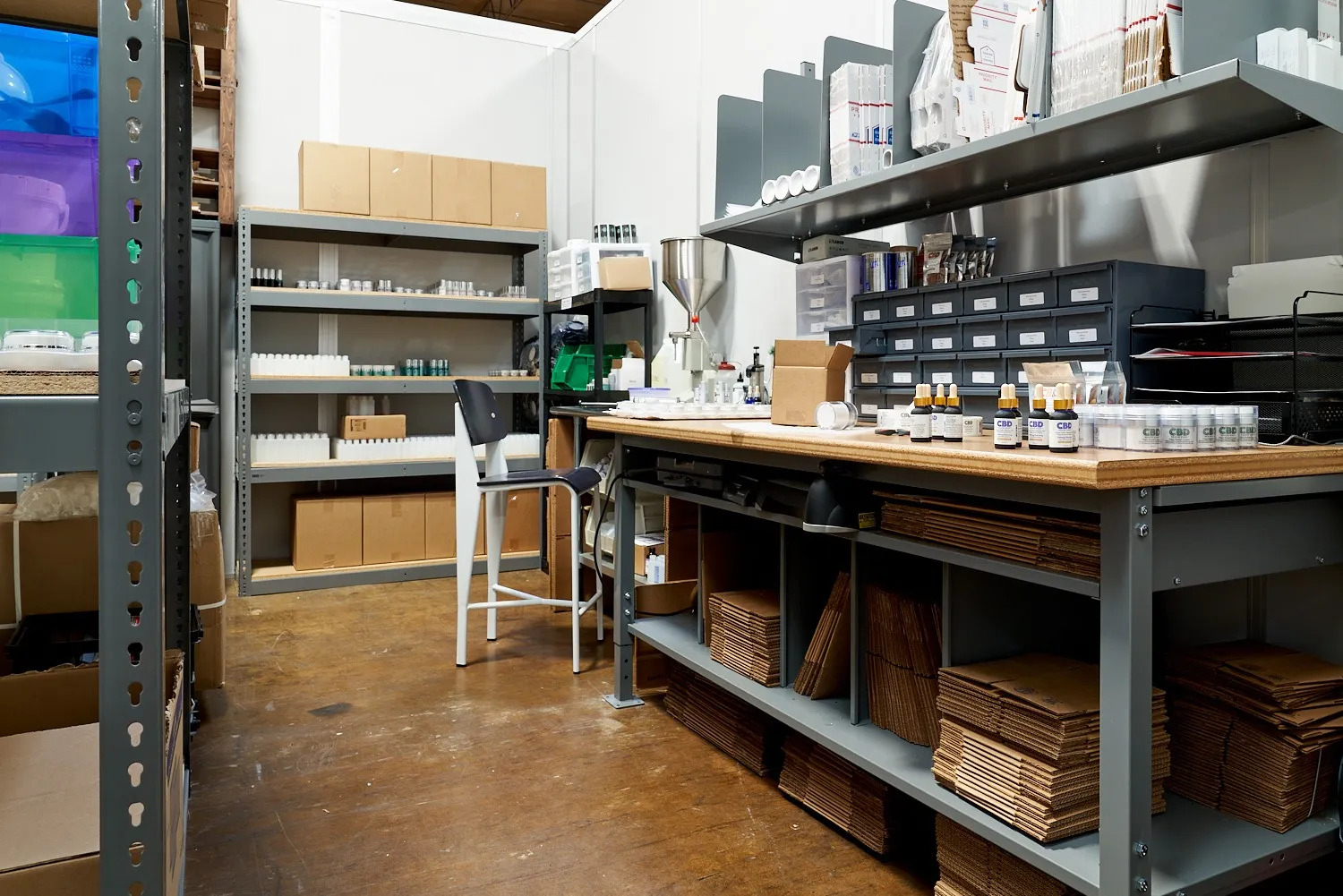
Layout and inventory do a lot of heavy lifting in capacity optimization, but visibility enables operators to unlock space that isn't readily apparent.
For example, creating clear labels and location systems lets you know exactly where everything is, reducing time spent searching for products. But it can also help prevent duplicate storage, which quietly eats up space.
Visibility also plays an indirect role in increasing capacity by reducing over-ordering and the overflow storage that follows.
Truthfully, a good portion of warehouse operators don't have the inventory visibility they need to accurately track stock levels, making audits all the more important.
A regular audit cadence may be one of the best strategies for freeing up space throughout the facility.
For operators working out of a co-warehousing environment, this kind of visibility is often easier to maintain thanks to shared infrastructure and on-site support.
What are the signs your warehouse is hitting capacity?
The biggest signs your warehouse is hitting capacity include:
- Inventory overflow: Stock is regularly staged in aisles, doorways, or non-designated areas because dedicated storage space is full.
- Increasing pick times: Workers are spending more time navigating around overflow stock or struggling to locate products in a disorganized layout.
- Receiving delays: Incoming shipments are being held or turned away due to insufficient floor space to process them.
- Rising fulfillment errors: Mislabeled or incorrect orders are increasing, often a sign that a cramped layout is creating operational confusion.
- Seasonal imbalance: Space runs out during peak periods but sits largely unused the rest of the year, signaling a mismatch between footprint and actual demand.
How does flexible warehouse design support smarter space use?
The best way to achieve smarter space utilization is often through flexible warehouse design. Better layouts with adaptable zoning and vertical storage systems that leverage ceiling height can both maximize space without adding square footage.
At Saltbox, members have access to customizable warehouse suites that let owners design layouts that work best for their companies.
In many instances, our on-site team is available to assist with optimization and make recommendations to maximize capacity while streamlining workflows.
If you're looking for a flexible warehouse solution for your business, book a tour today to view one of our locations.
Frequently asked questions
Yes, most warehouses have untapped capacity that can be unlocked through smarter layouts, better inventory organization, and more intentional use of vertical space.
The most effective ways to increase warehouse storage capacity include optimizing aisle spacing, using vertical racking and shelving, reducing dead stock, and creating flexible storage zones that adapt to changing needs.
Vertical storage increases warehouse capacity by moving inventory and materials off the floor and onto shelving or racking systems, increasing usable space per square foot without expanding the footprint.
Warehouse inventory should be audited at a minimum of quarterly to identify dead stock, obsolete materials, and underutilized areas that are quietly consuming usable space.
The biggest mistake is treating the initial warehouse layout as permanent. Small reconfigurations to aisle spacing, zoning, or shelving can unlock significant capacity without adding square footage.
Flexible warehouse design lets operators adapt layouts and reconfigure zones as operations evolve, rather than being locked into a configuration that no longer fits their needs.